KATIE MORRIS | CREATIVE DIRECTION

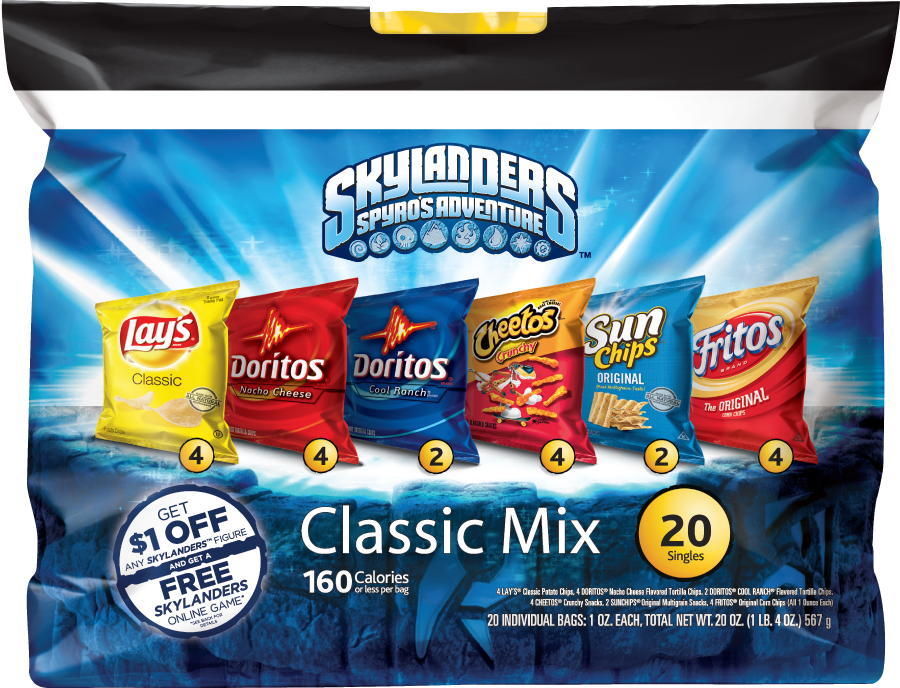
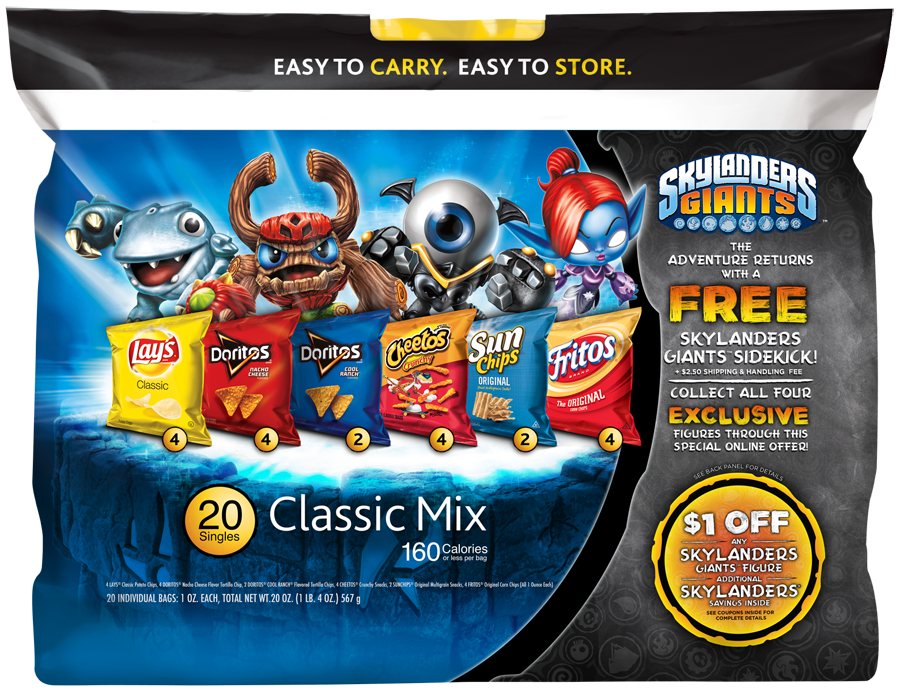
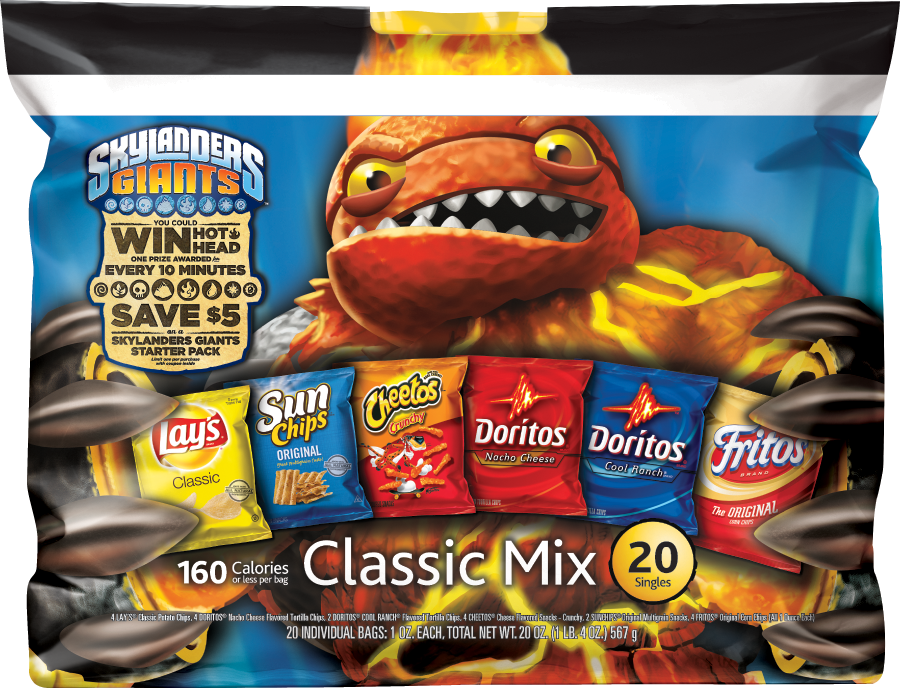
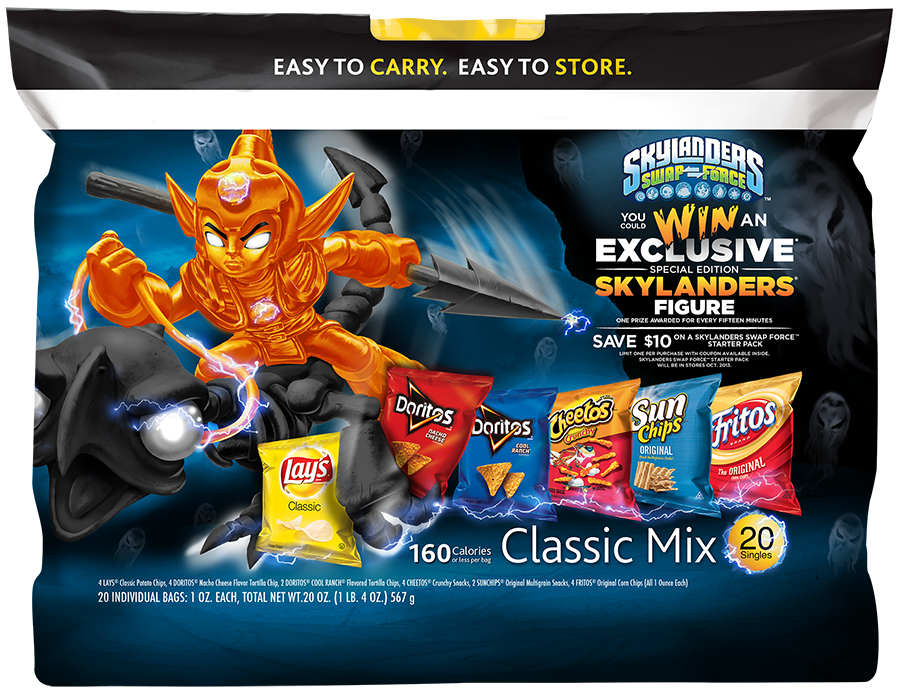
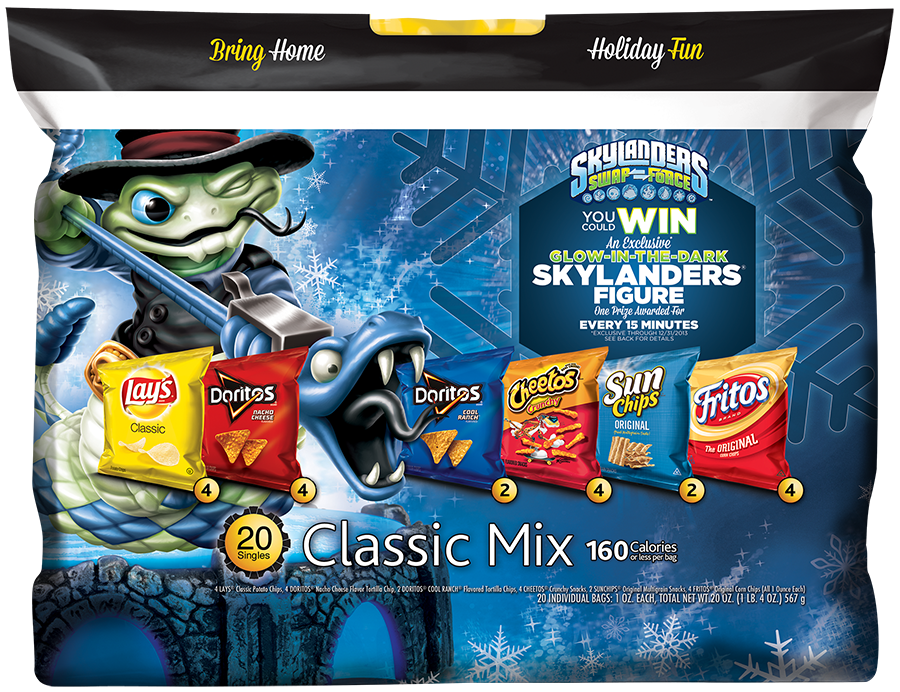
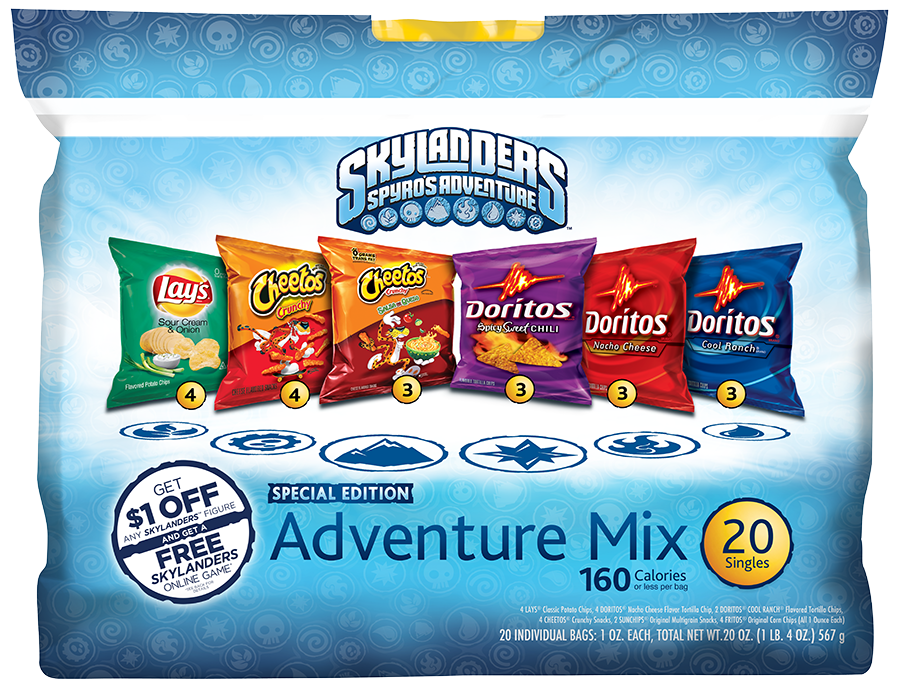
Fresh out of my internship and newly full-time, I was handed one of my first real client-facing projects: packaging for Frito-Lay's multi-year Skylanders partnership with Activision. Suddenly I was presenting concepts to clients, watching my work get chosen, and learning — fast — what it actually takes to design for print at scale. IP asset management, mechanical building, print production, balancing brand equity against a licensing partner's world — all of it became part of my vocabulary on this one.
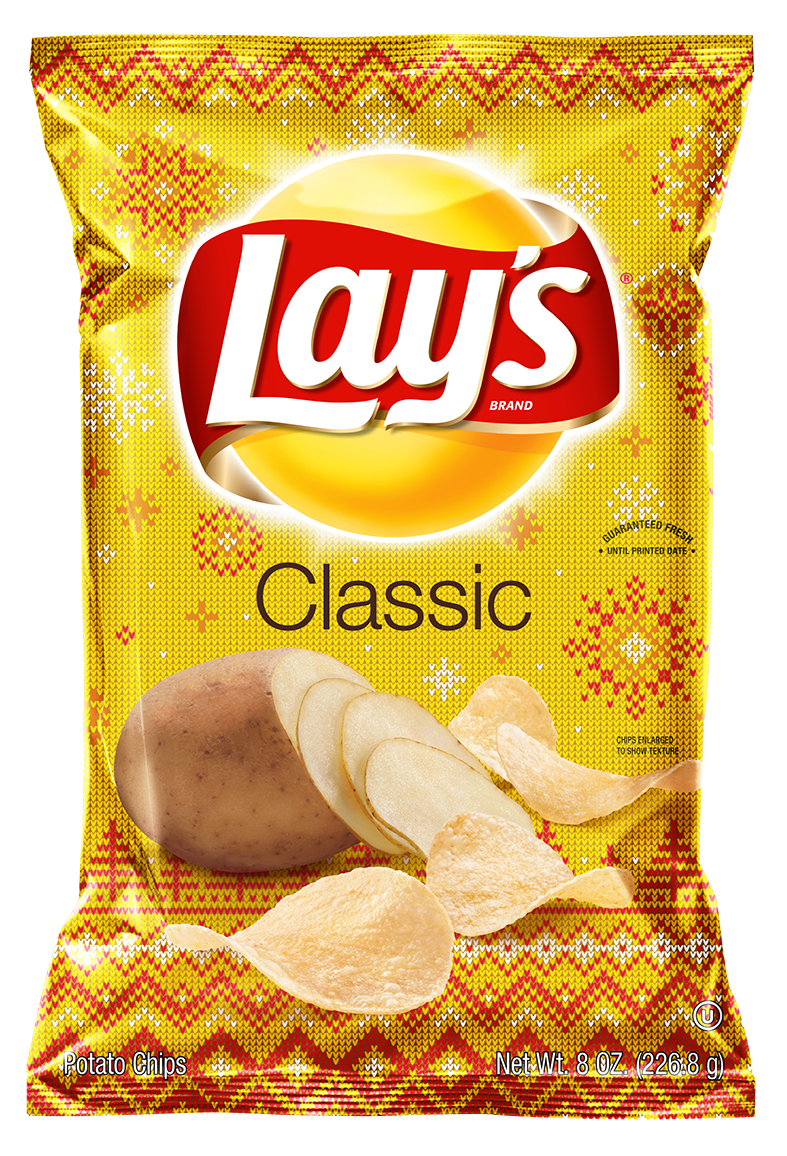
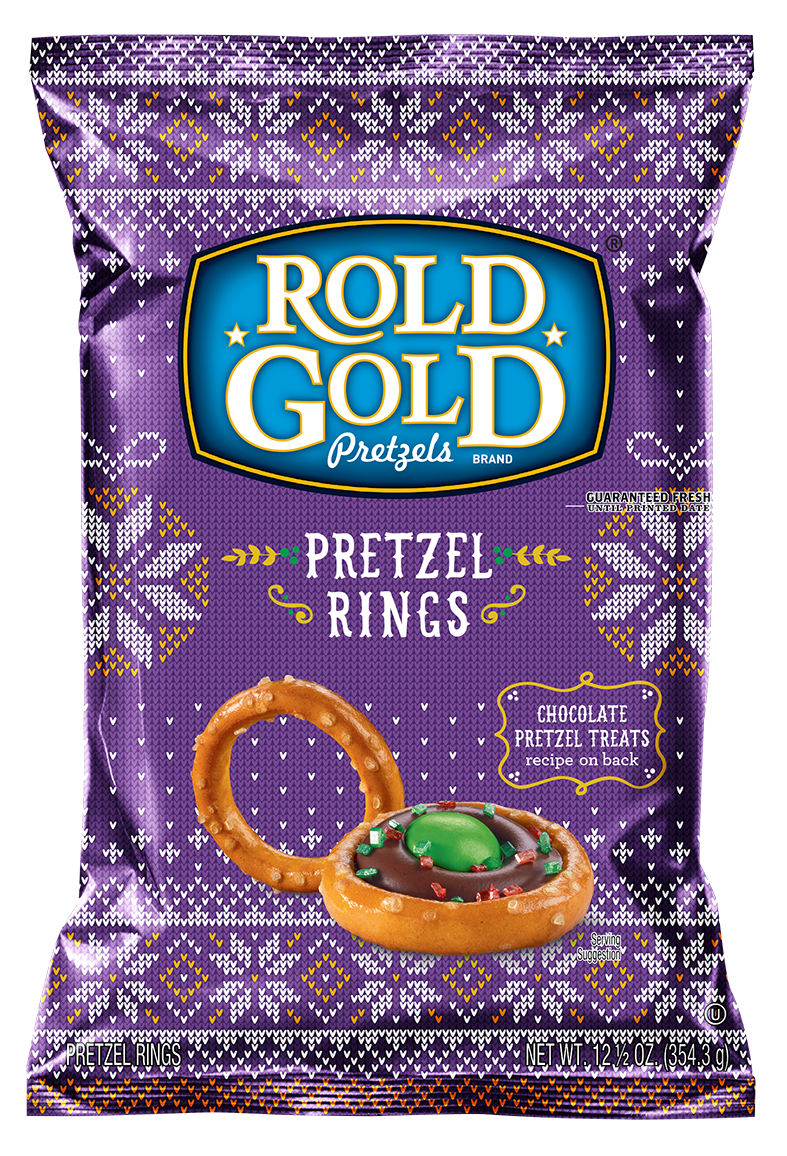
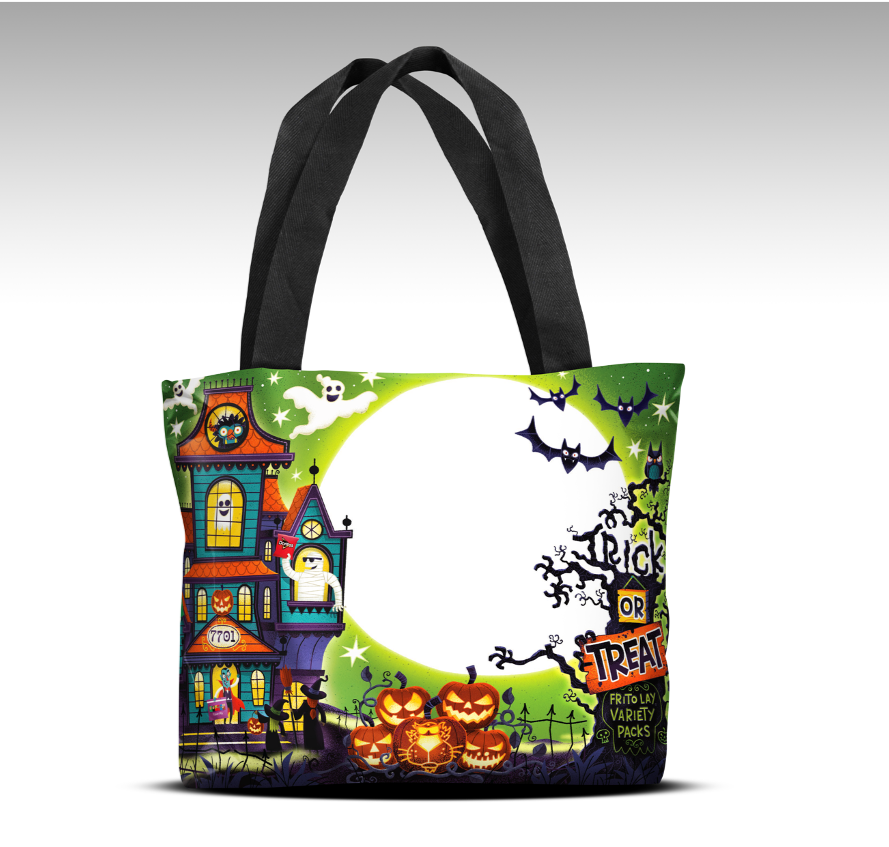
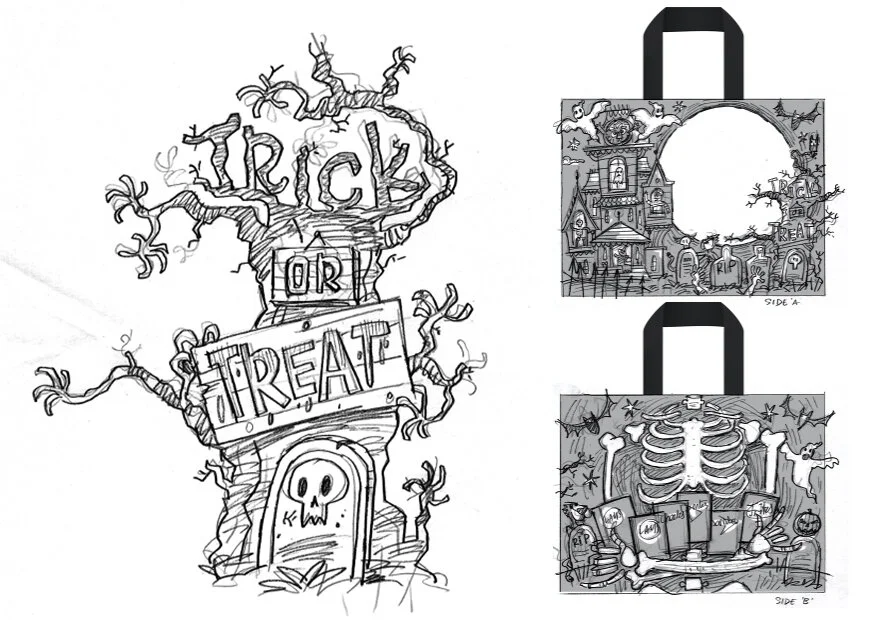
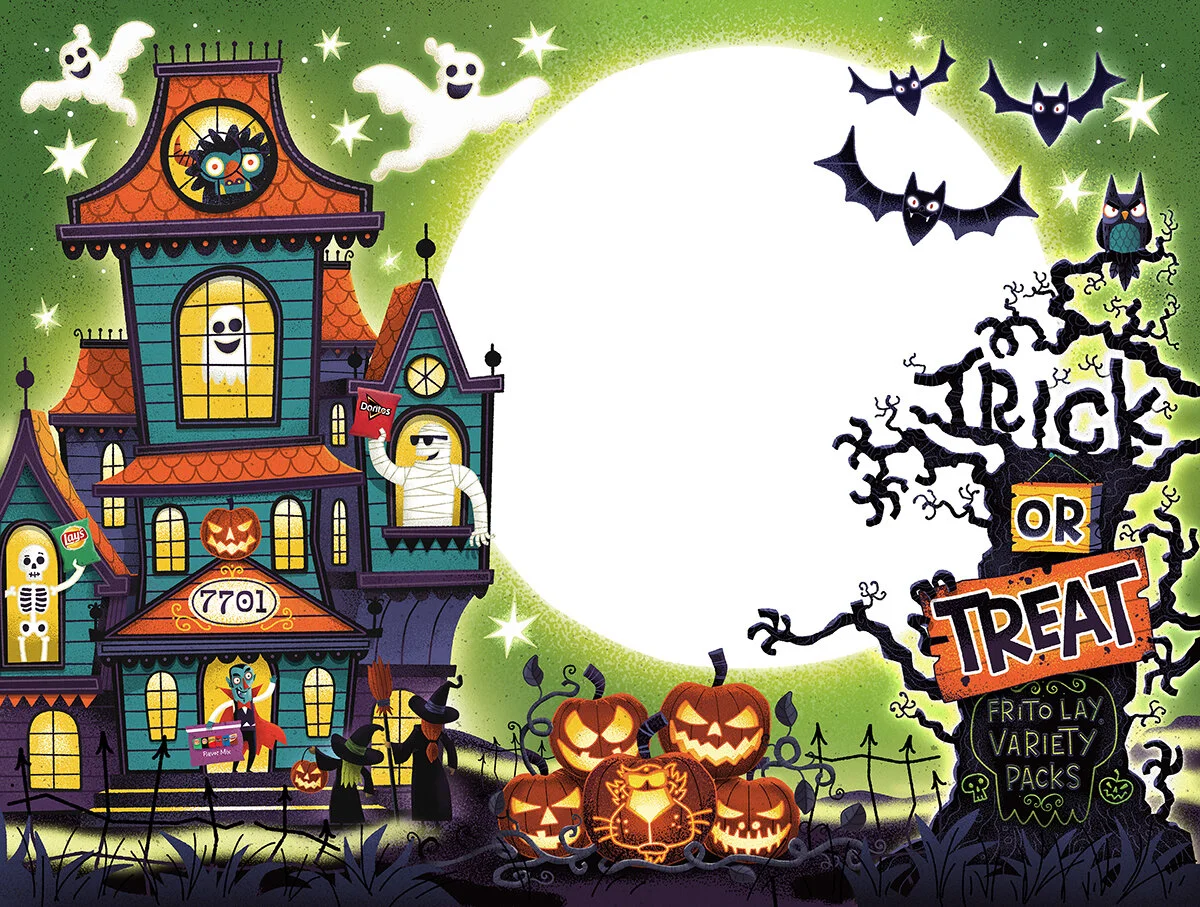
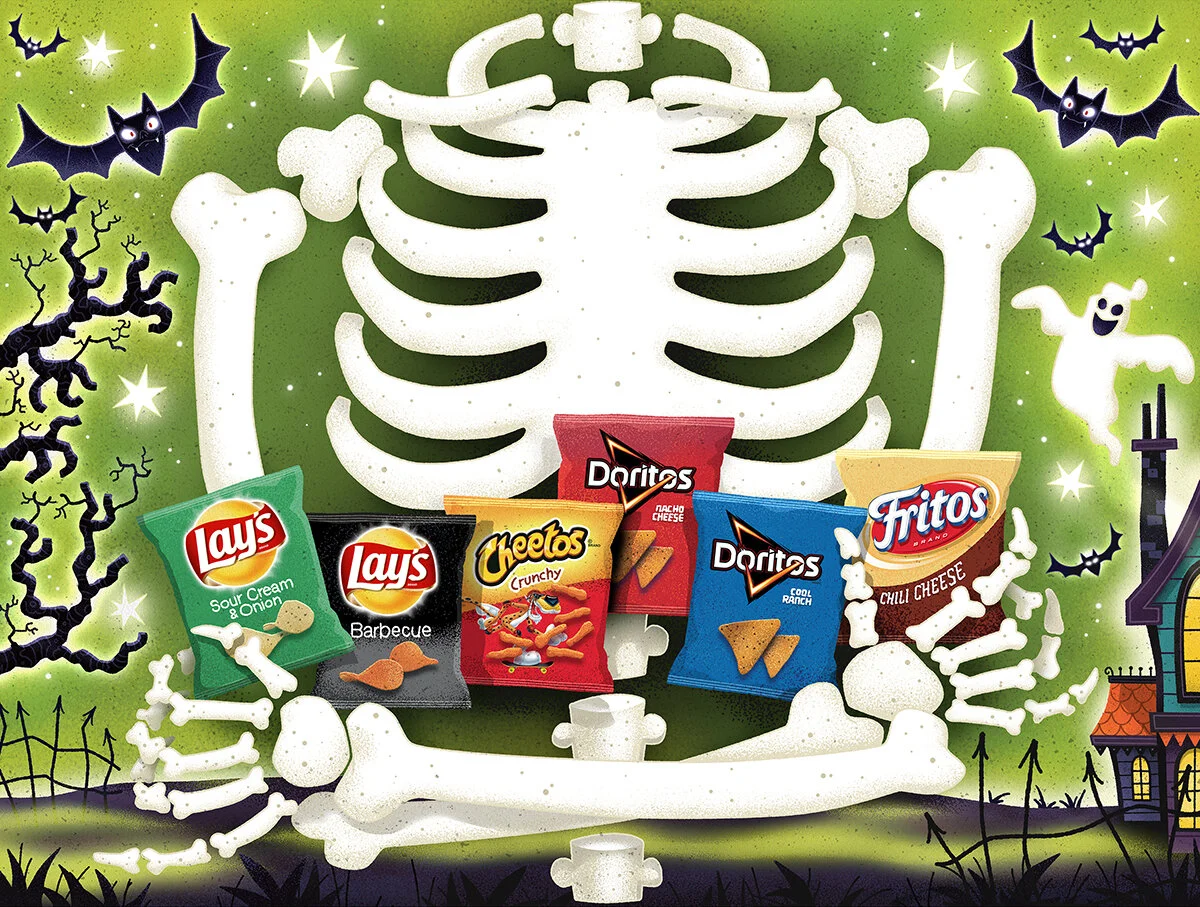
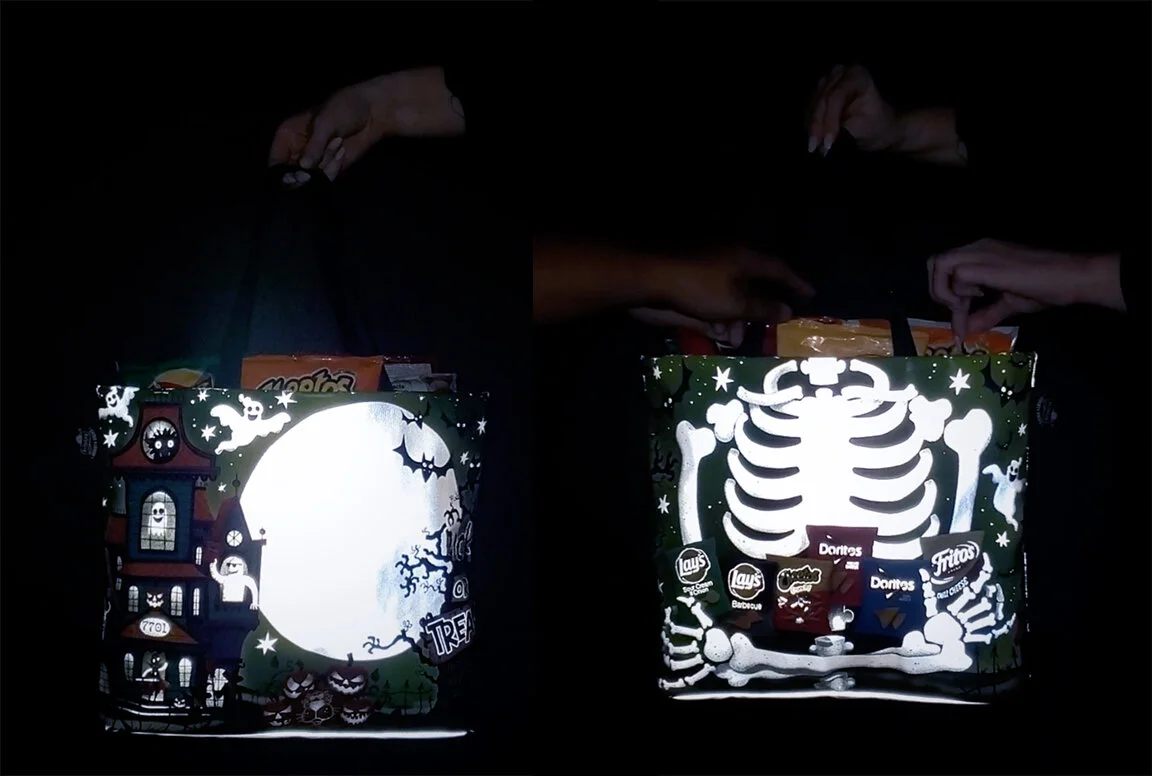
Those learnings went straight into the Lays Holiday bags, where I spent what felt like an eternity (and honestly might have been) digitally coloring an original ugly sweater-inspired design across key SKUs. Then came a reflective LTO trick or treat bag for Frito-Lay Variety Packs — designed to keep kids safer while trick or treating in the dark on Halloween, which remains one of my favorite problems to have ever solved with design. This one pushed me in new directions: testing and learning on a substrate I hadn't worked with before, and managing an outside vendor illustrator for the first time — learning how to communicate a vision clearly enough that someone else could execute it without losing what made the idea special in the first place. A skill I use every single day now.
These projects were all done at various junior levels in my career, and I will never be able to adequately convey how fantastically excited I was every time a concept got chosen — or the absolute unhinged joy of seeing my work on shelves in the wild for the first time. Picture me in Target, fluffing bags and lining them up just so, trying to look casual while internally losing my mind completely. It's a feeling I will never forget, and honestly one I hope I never stop chasing.
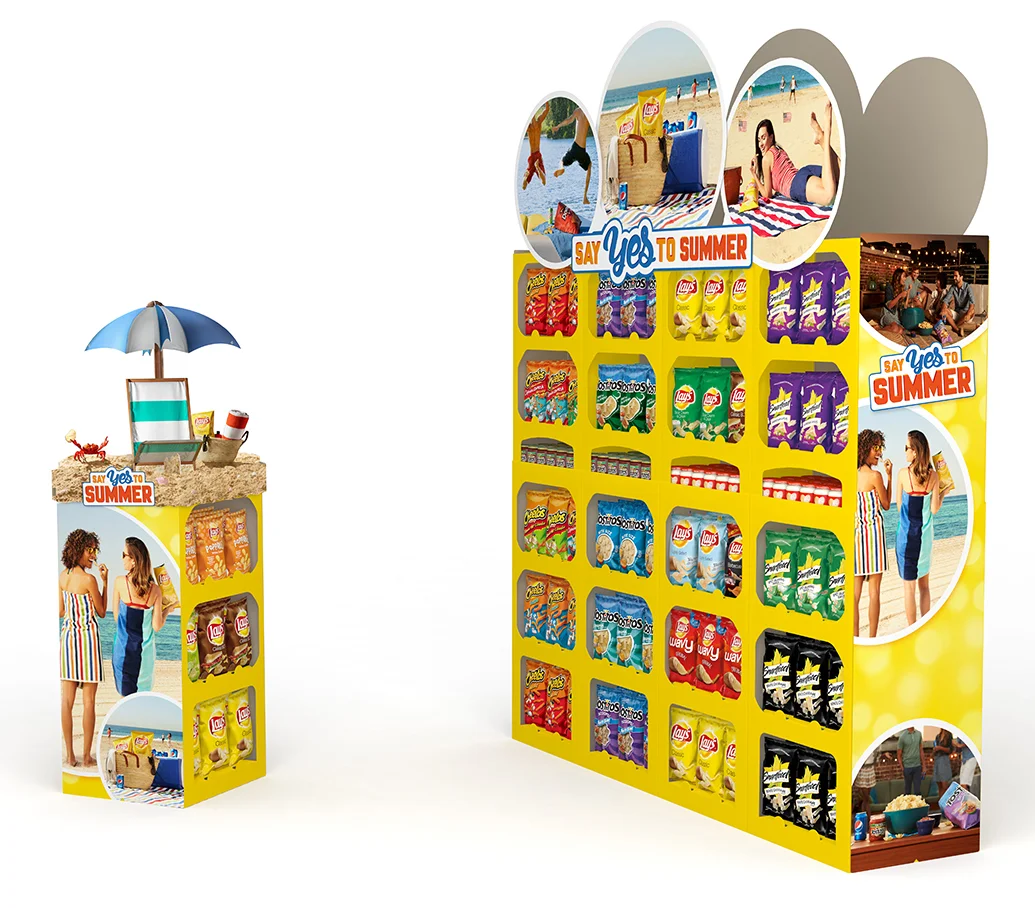
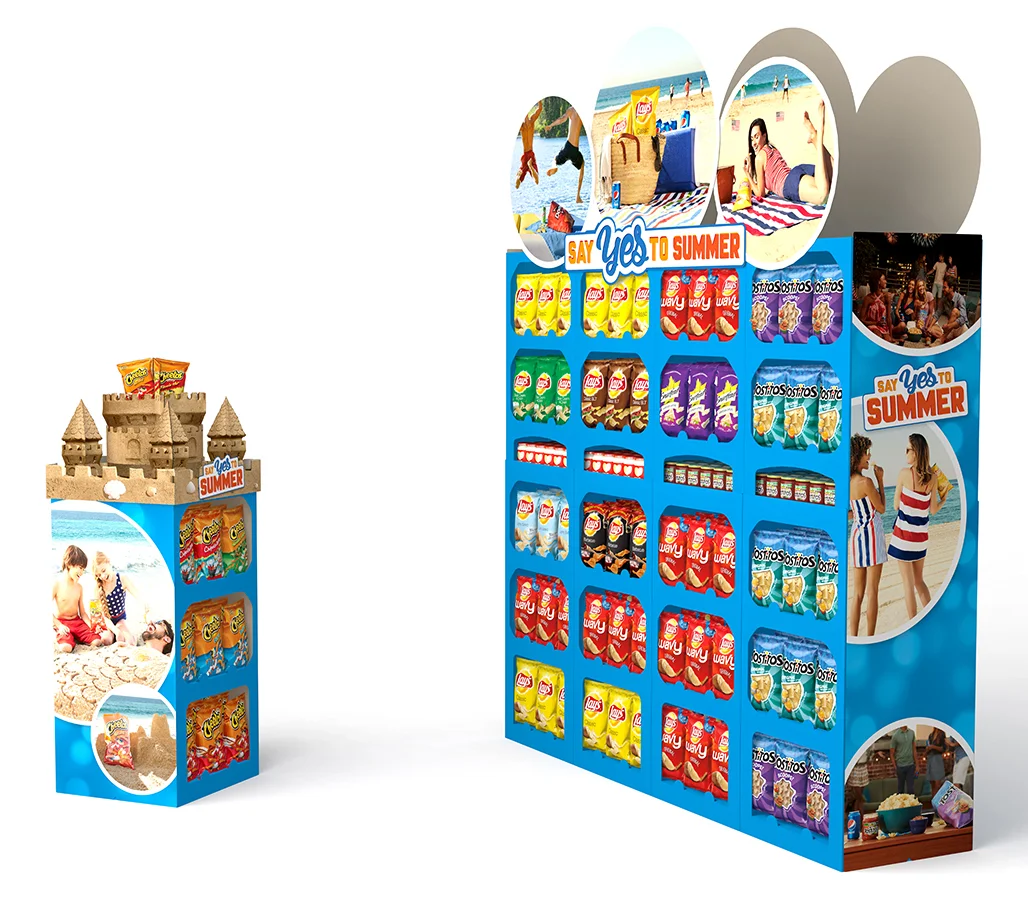
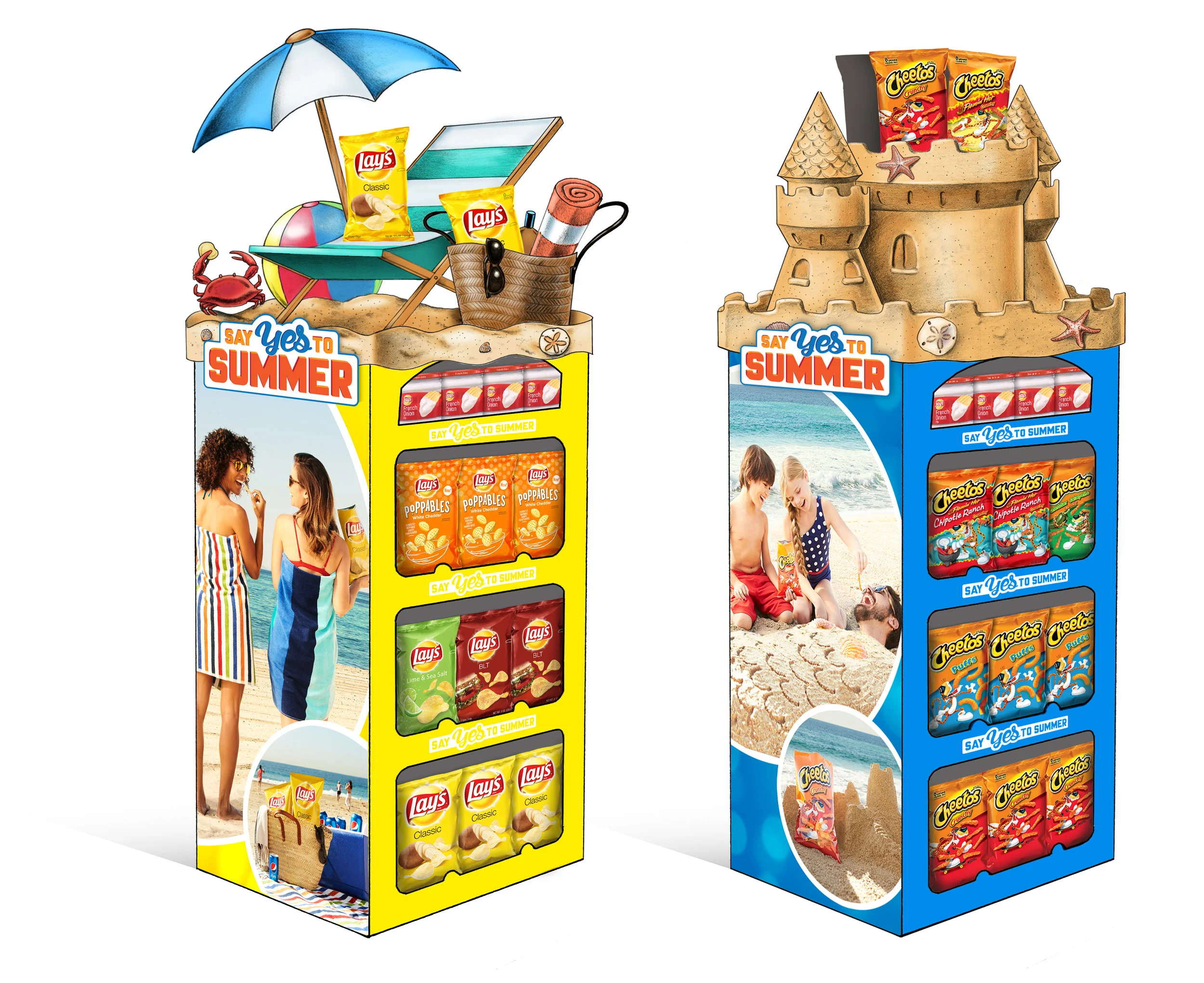
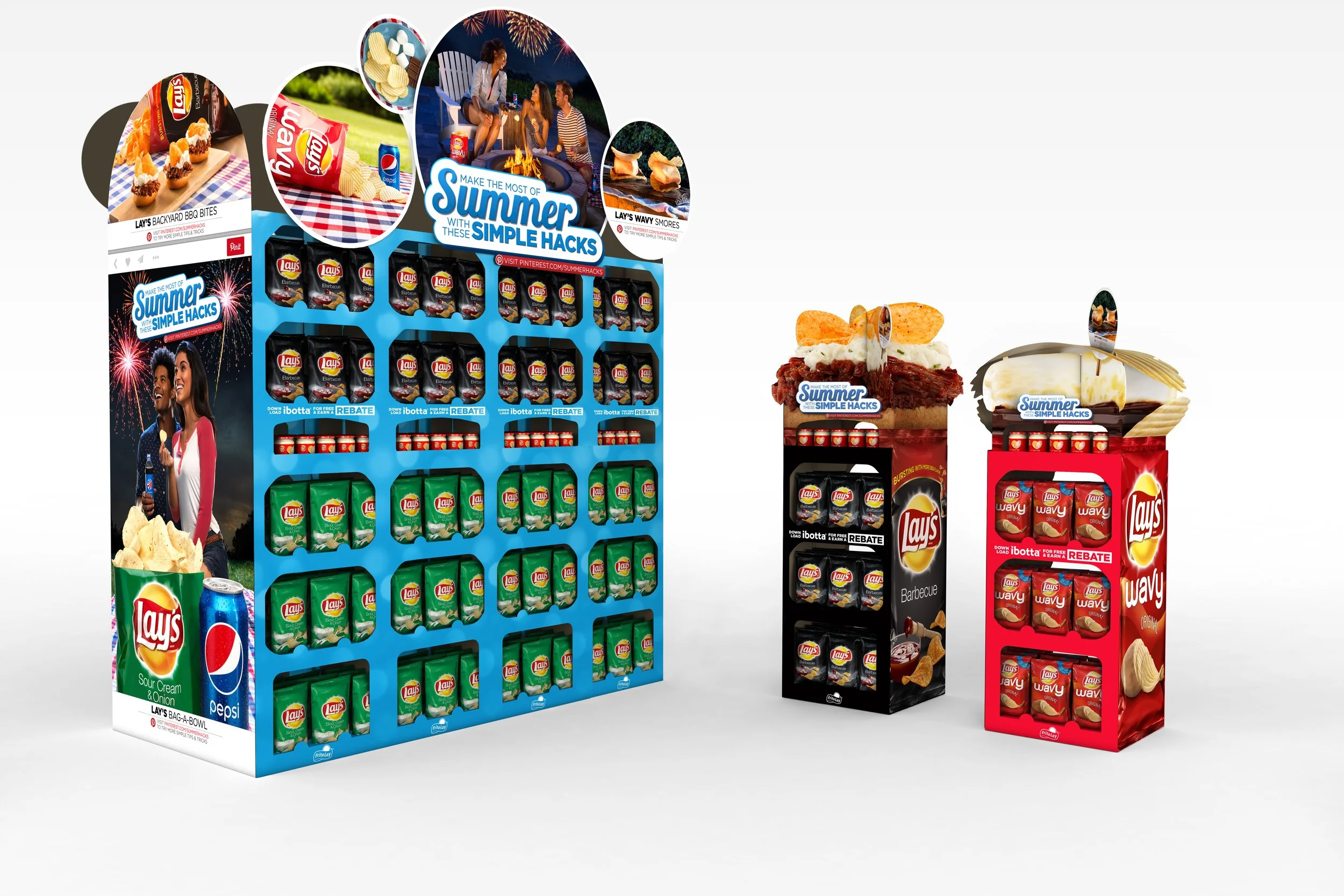
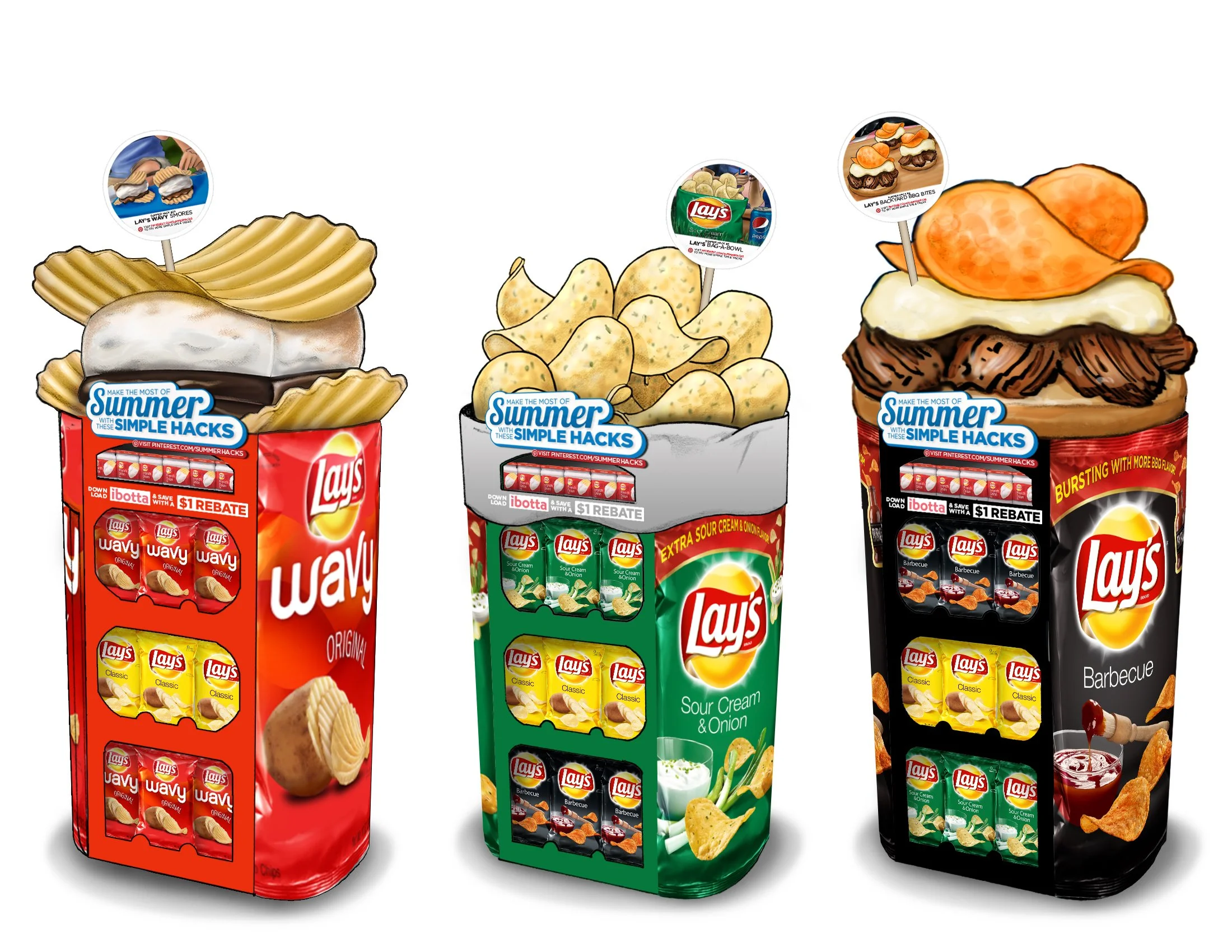
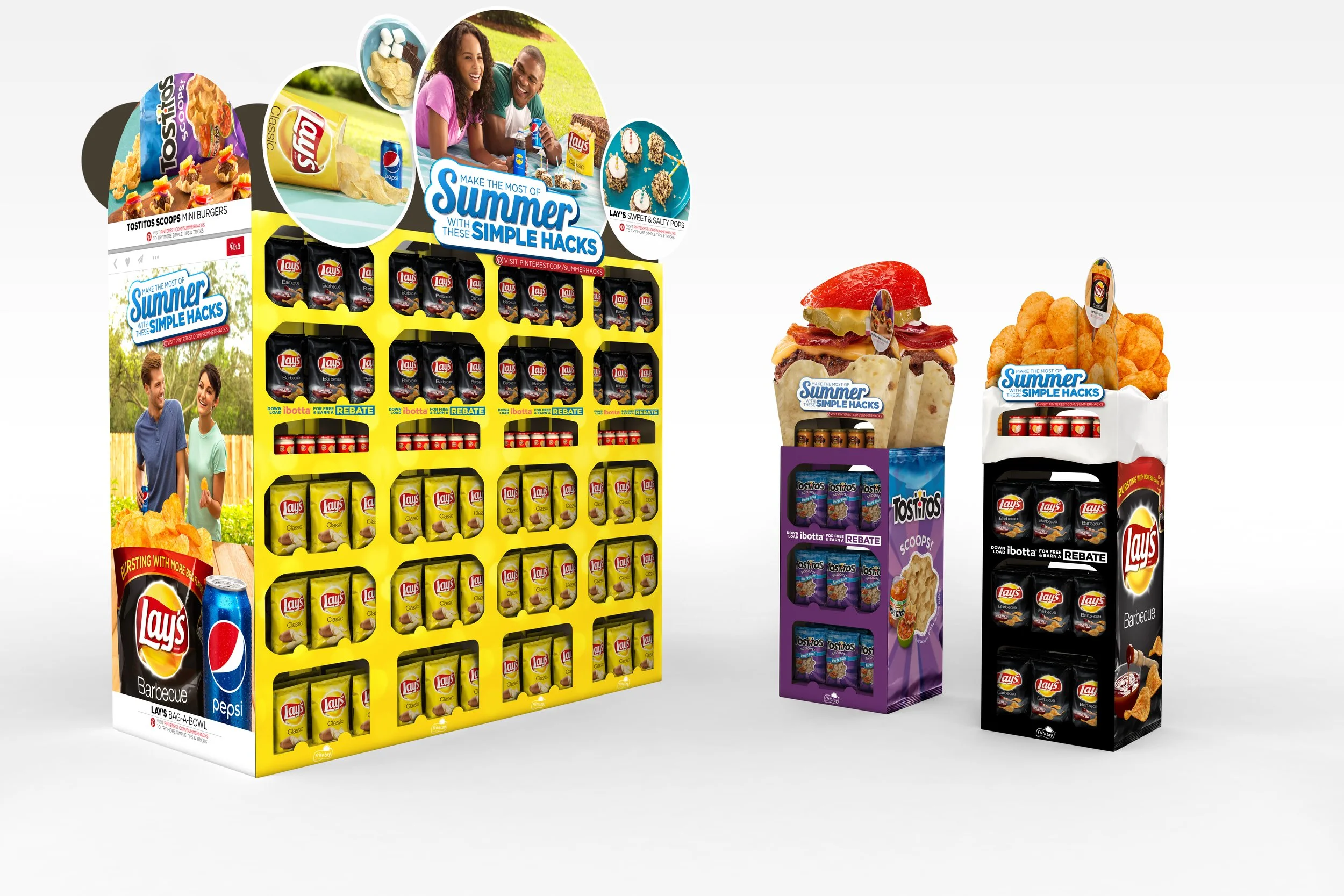
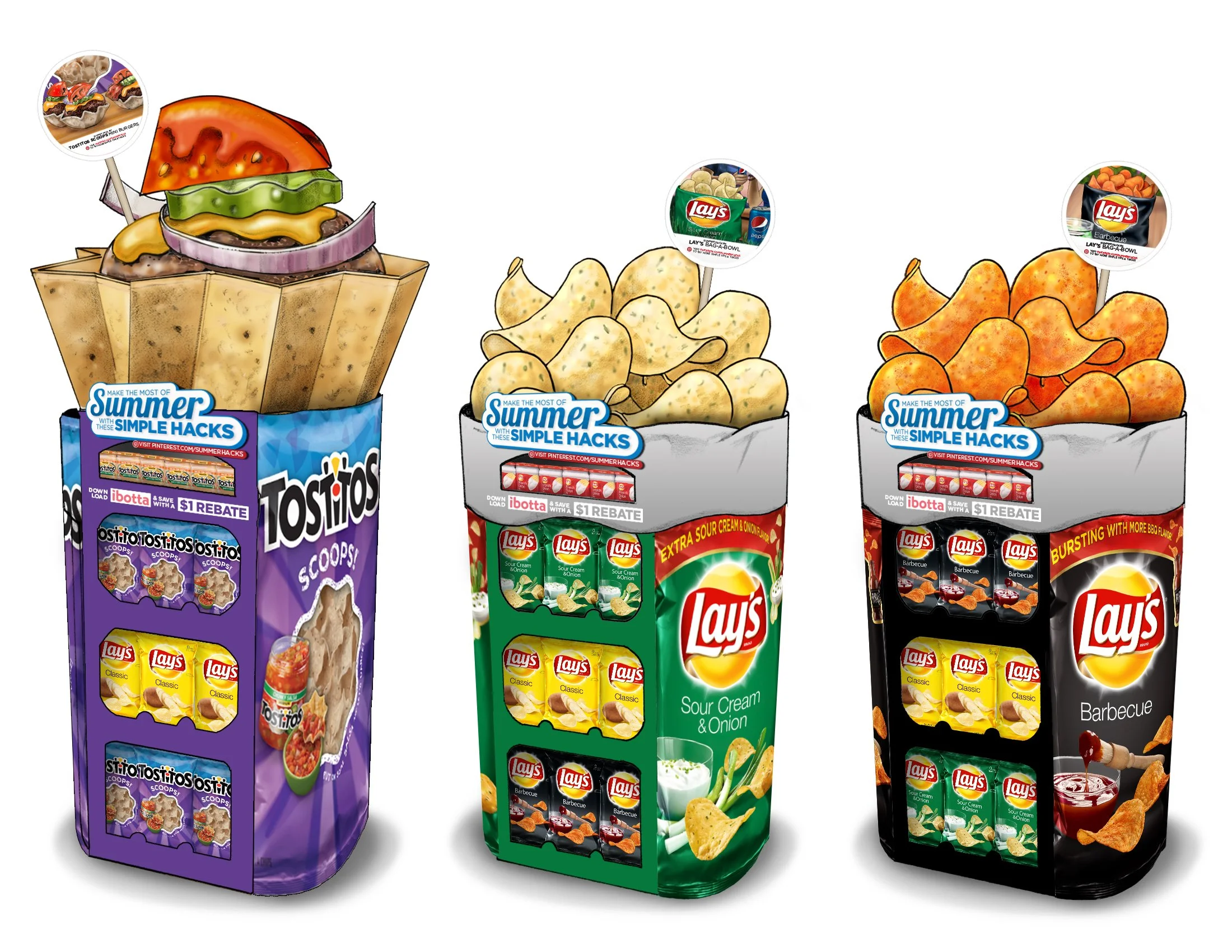
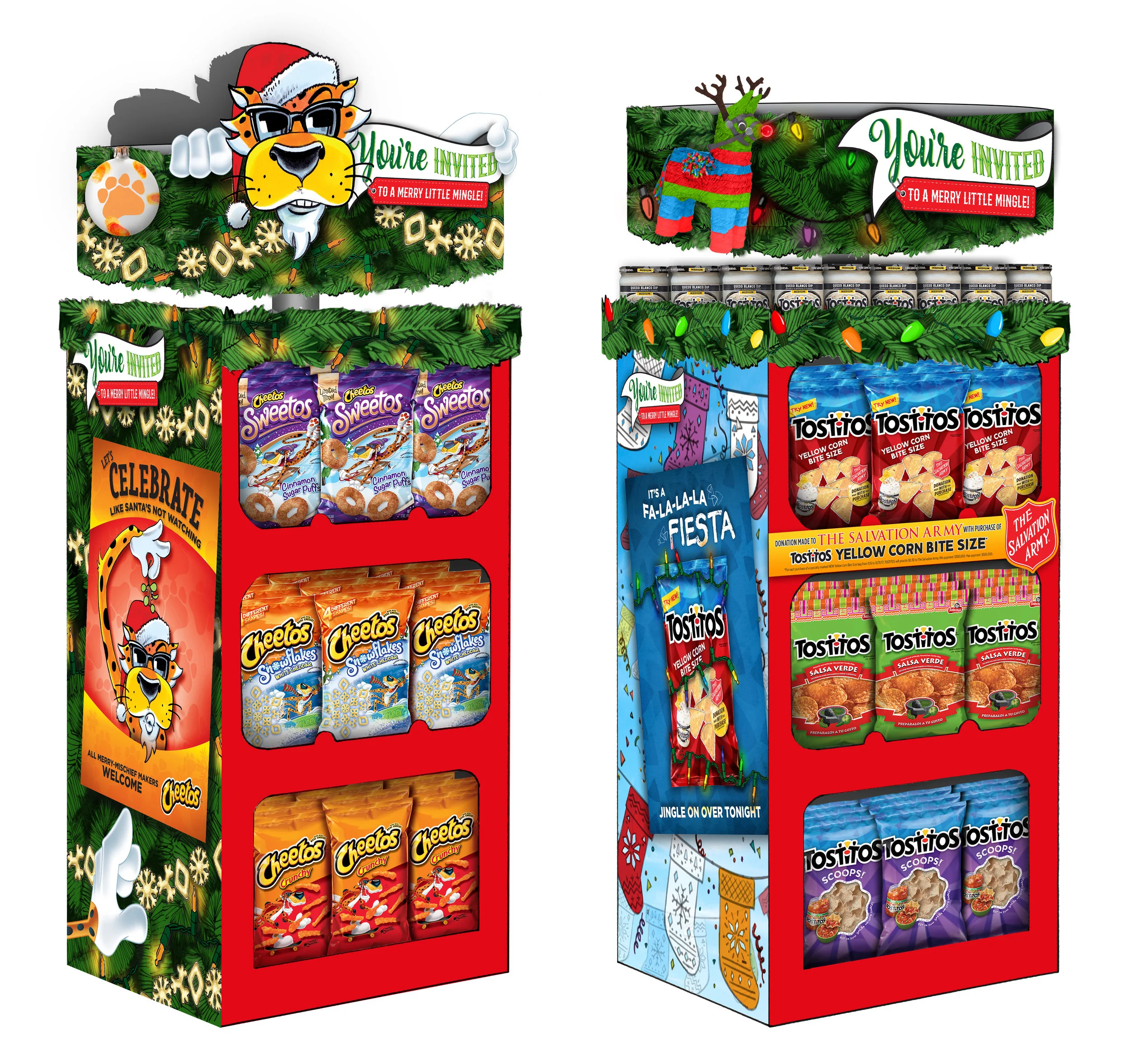
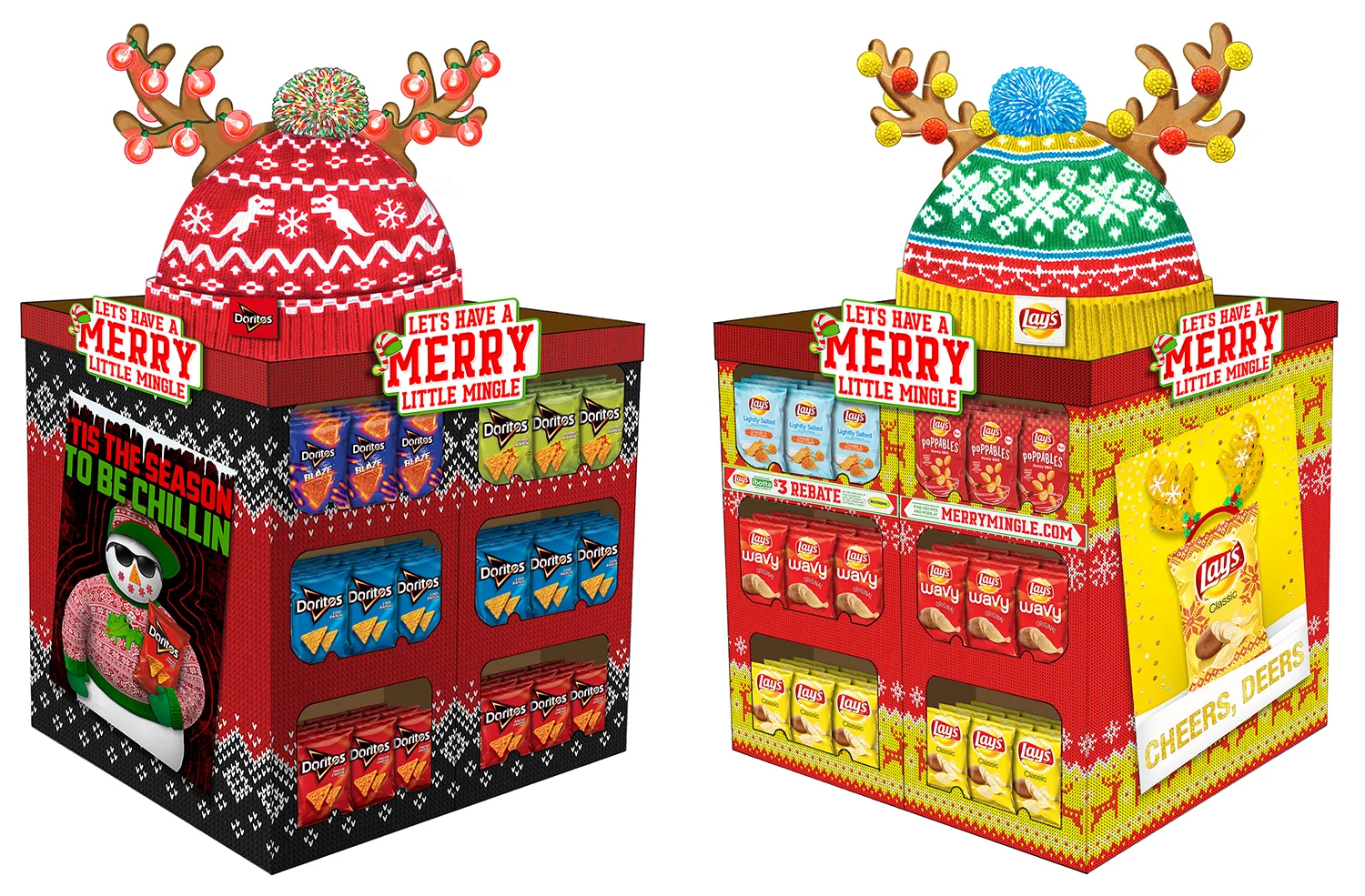
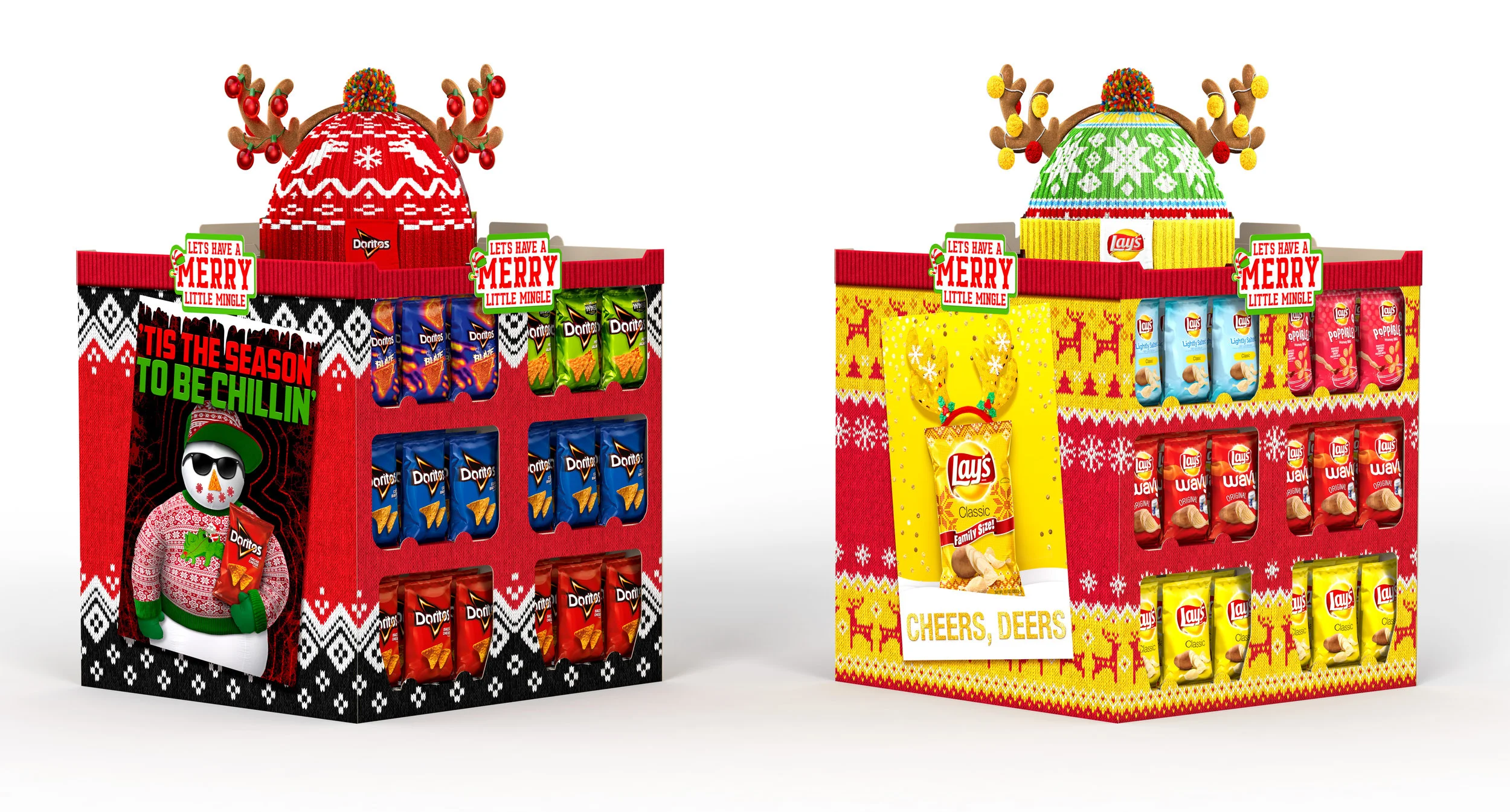
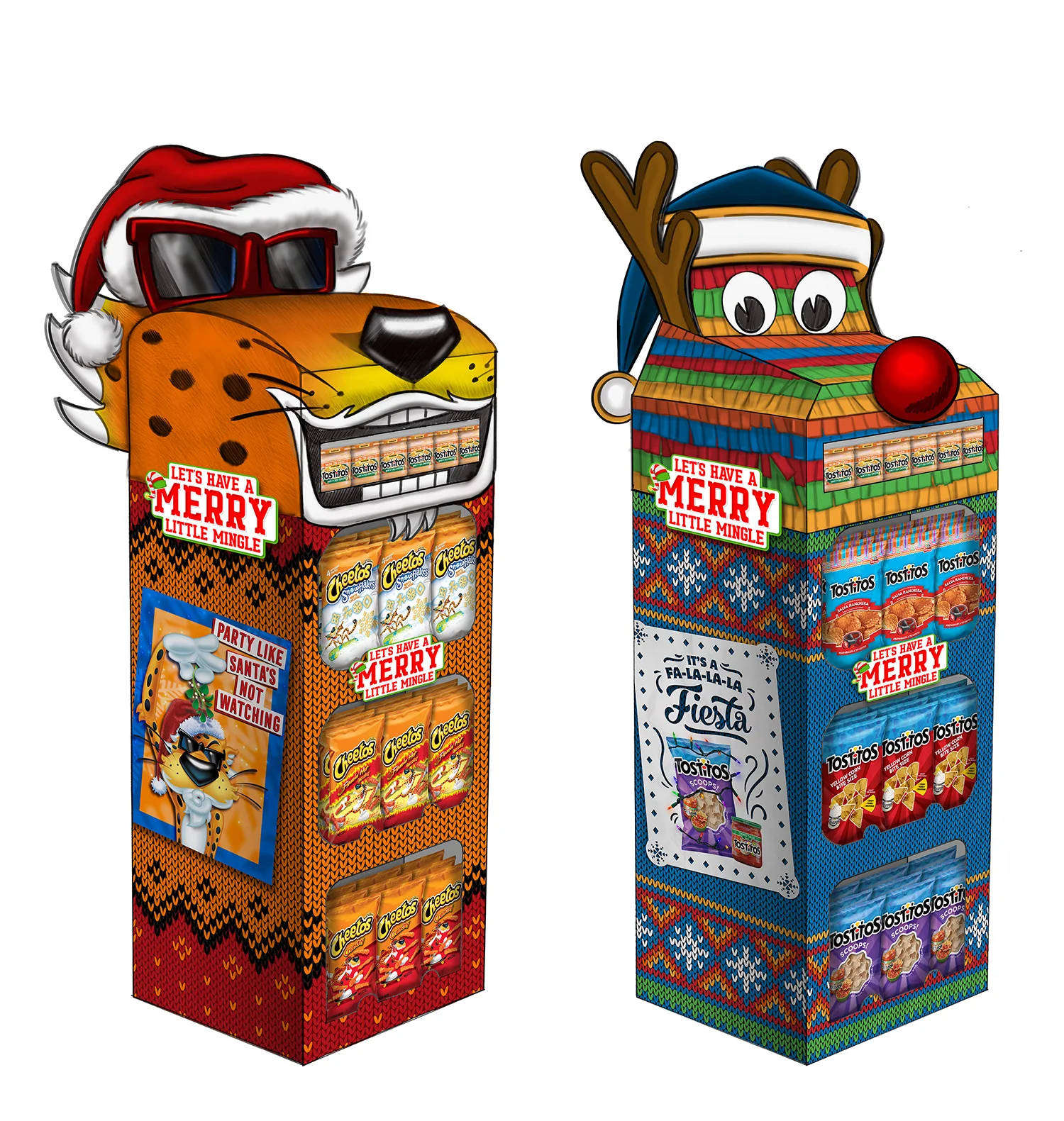
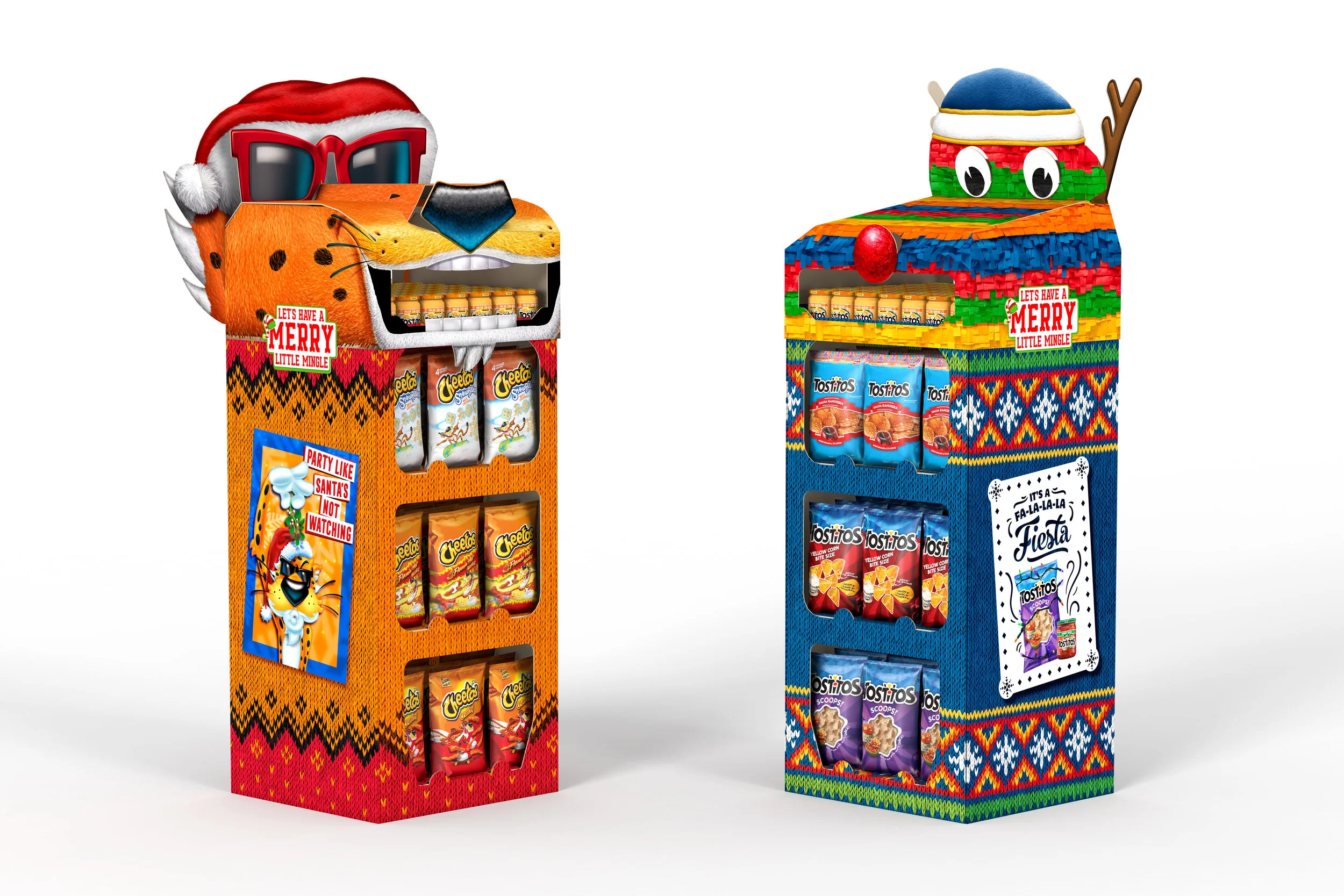
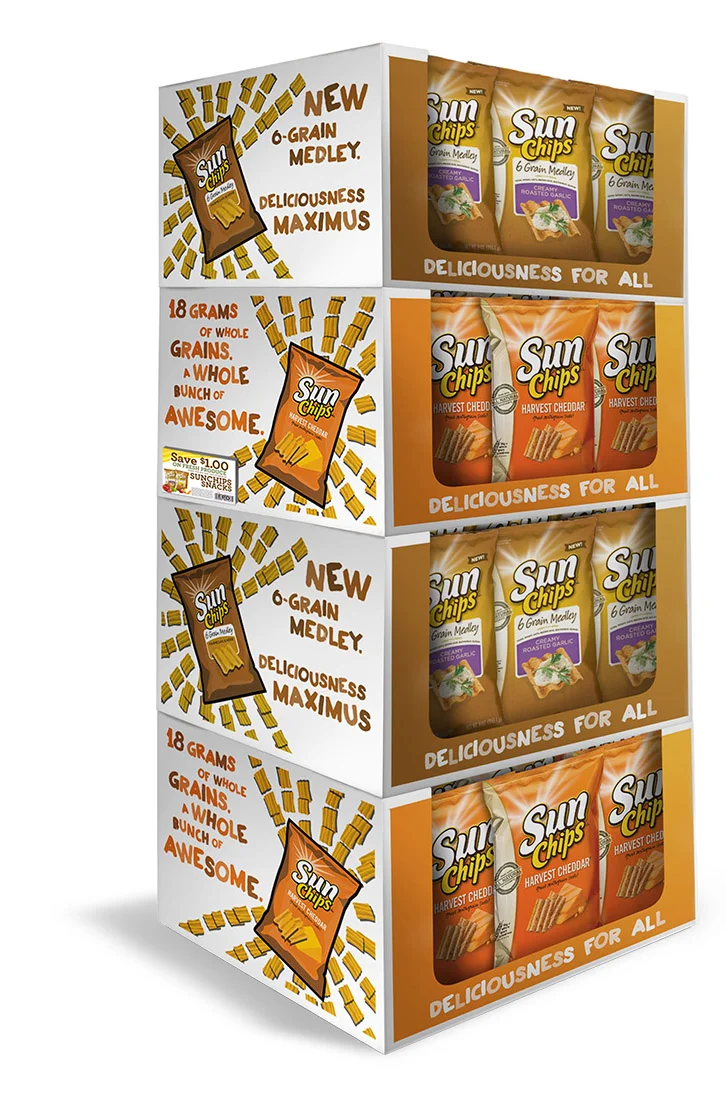
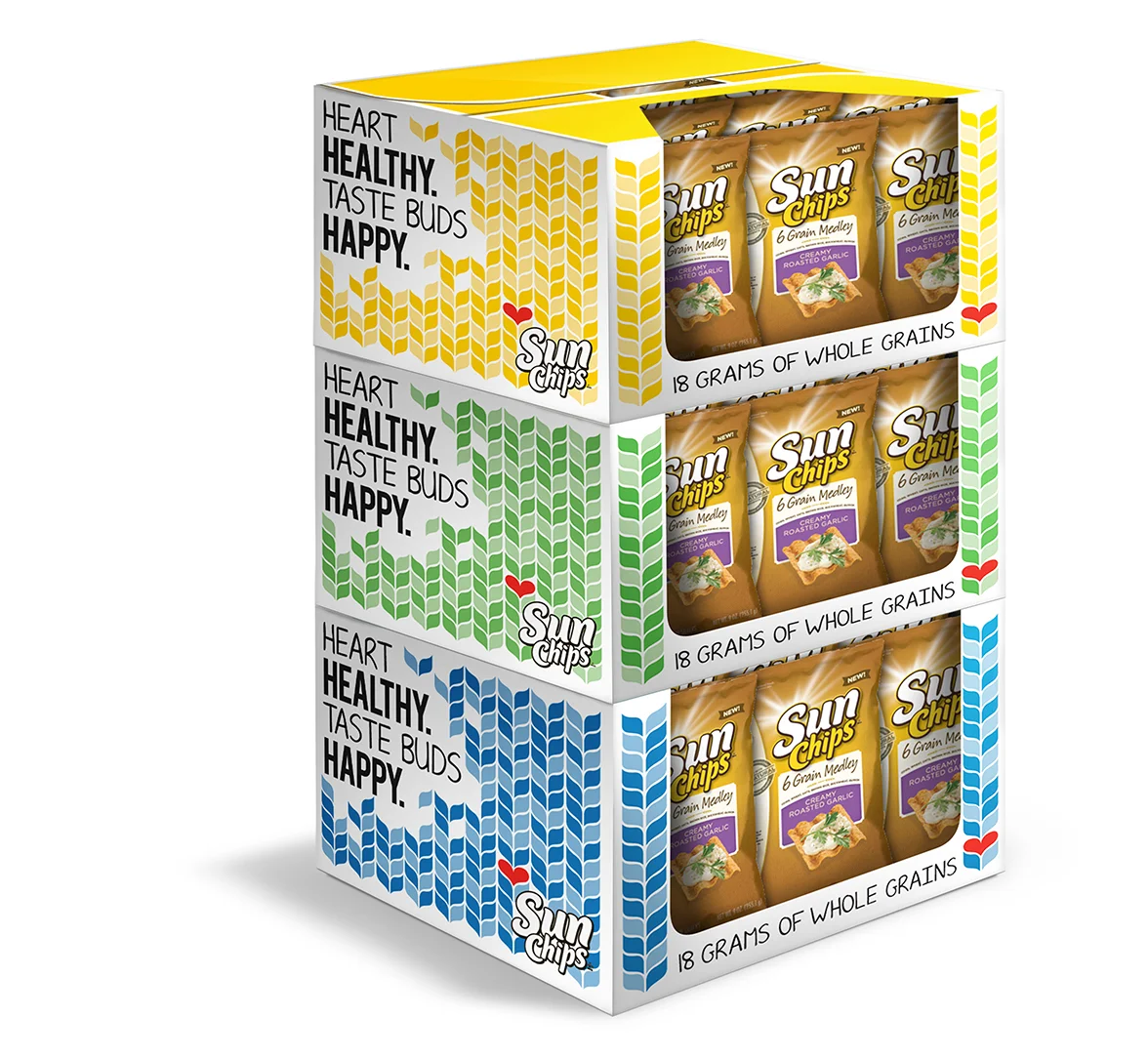
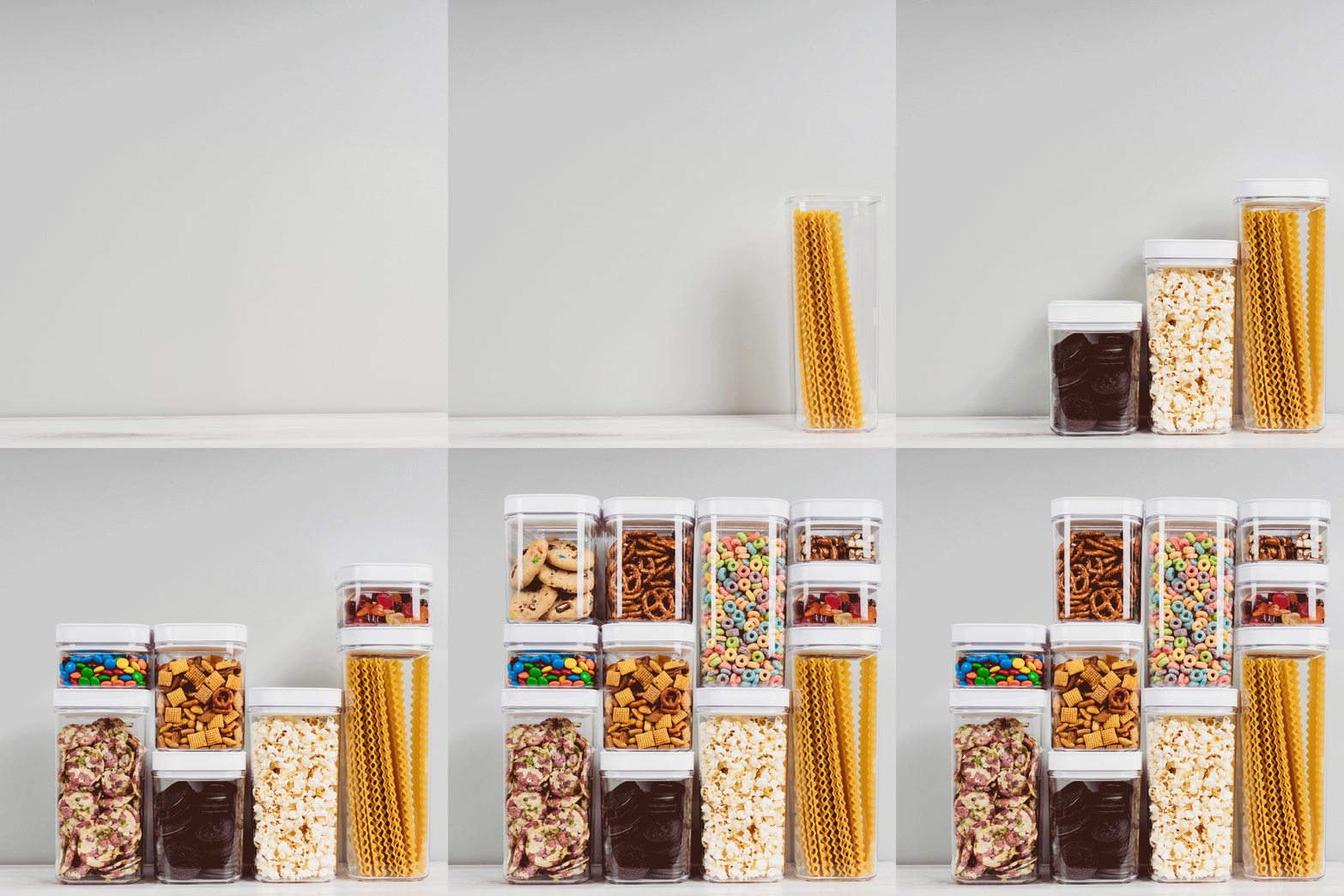
For a couple of years, the grocery store was my canvas. I immersed myself in the world of point of sale and what the industry lovingly calls "retailtainment" — designing structures and environments that dressed up retail spaces for key holidays and promotional periods, each one built to hero a specific product, speak to a specific shopper, and feel unmistakably like the brand it was representing. Every location, every shot, every corrugated tower had a purpose.
The print and manufacturing skills I'd built in packaging didn't just transfer here — they evolved. Designing in three dimensions pushed my thinking in ways flat work never could, and I was part of a team genuinely committed to producing best in class work and seeing how far we could push cardboard before it pushed back. The breakthrough creative we turned out in that space set a bar that I'm still proud of. Spoiler: we pushed pretty far.
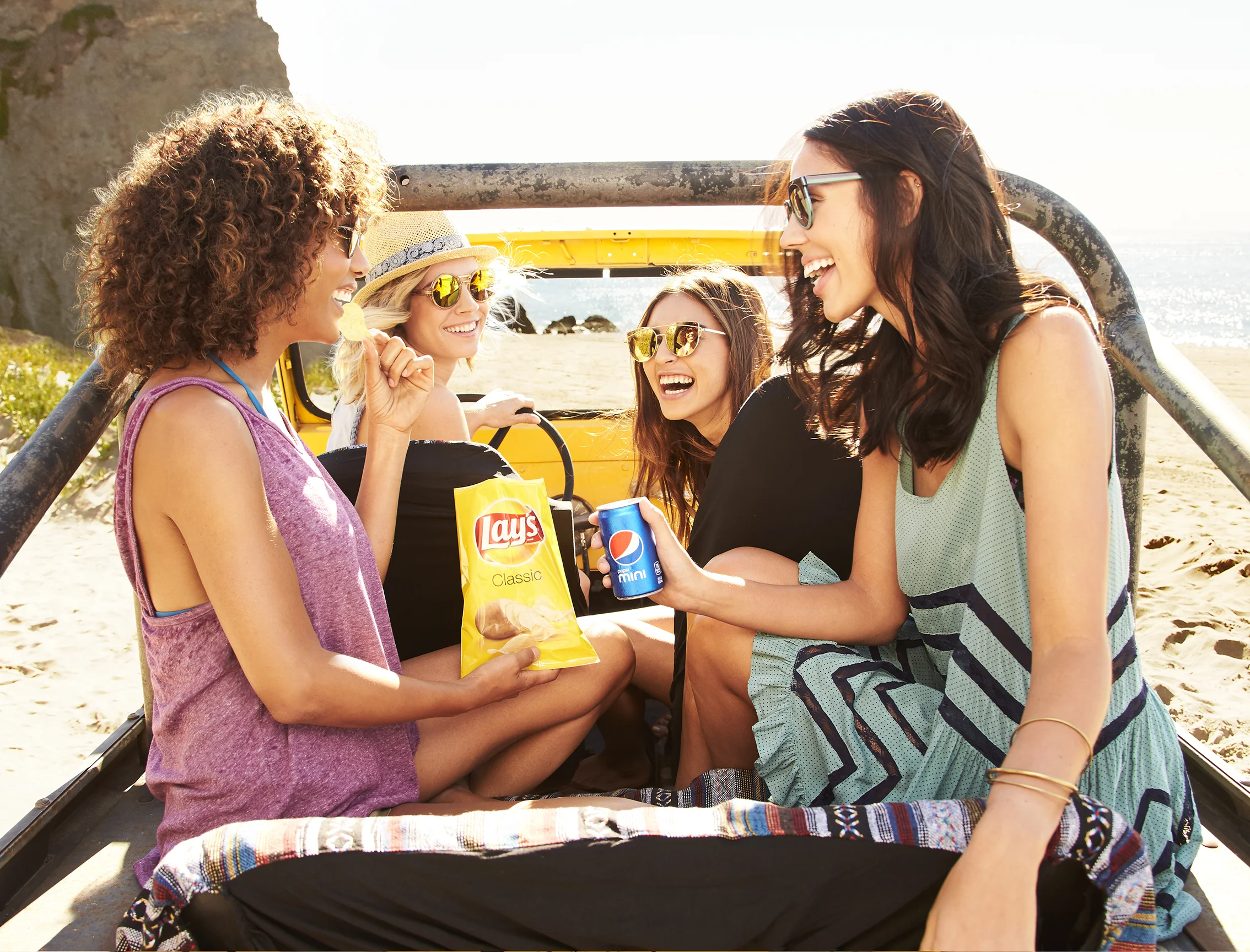
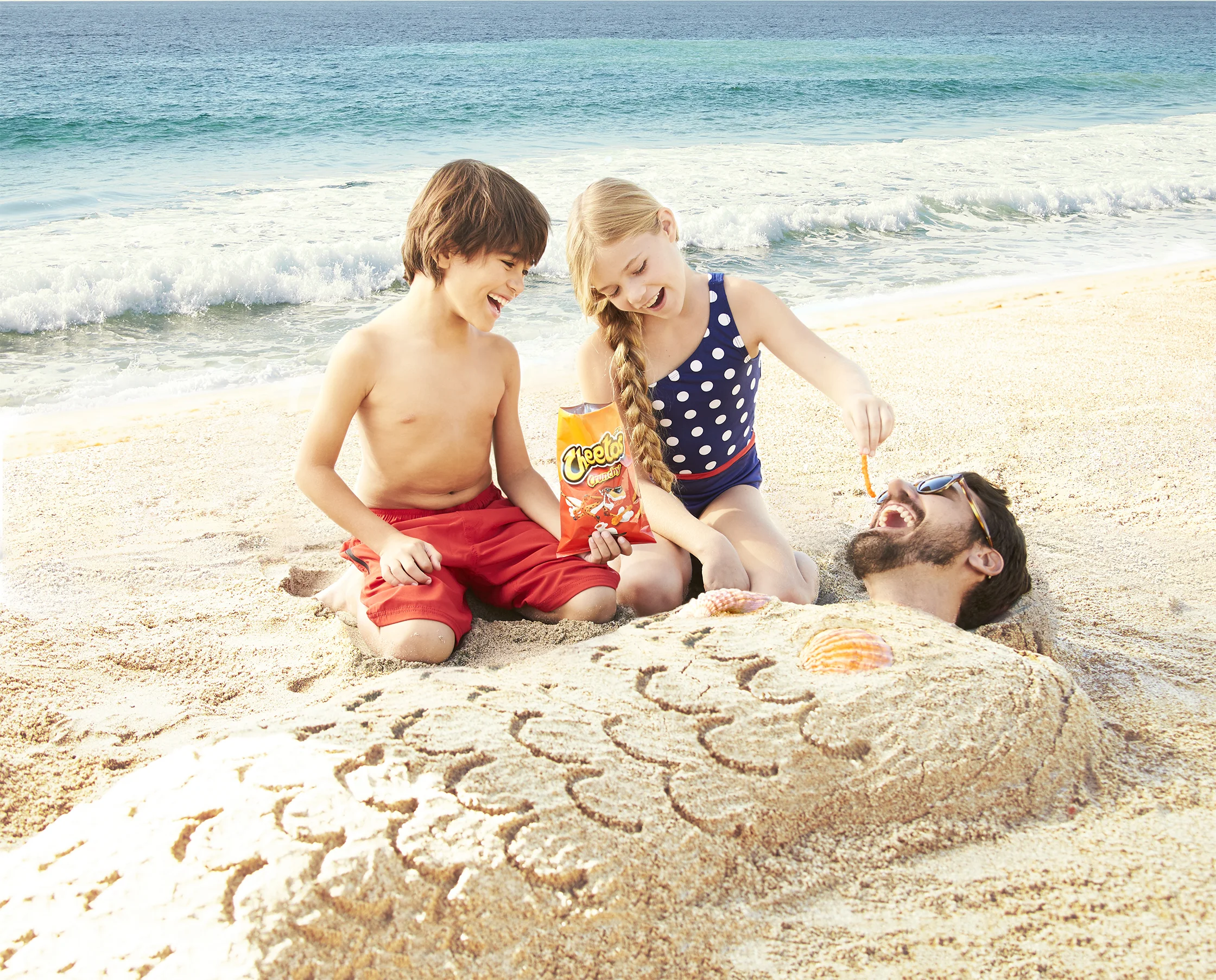
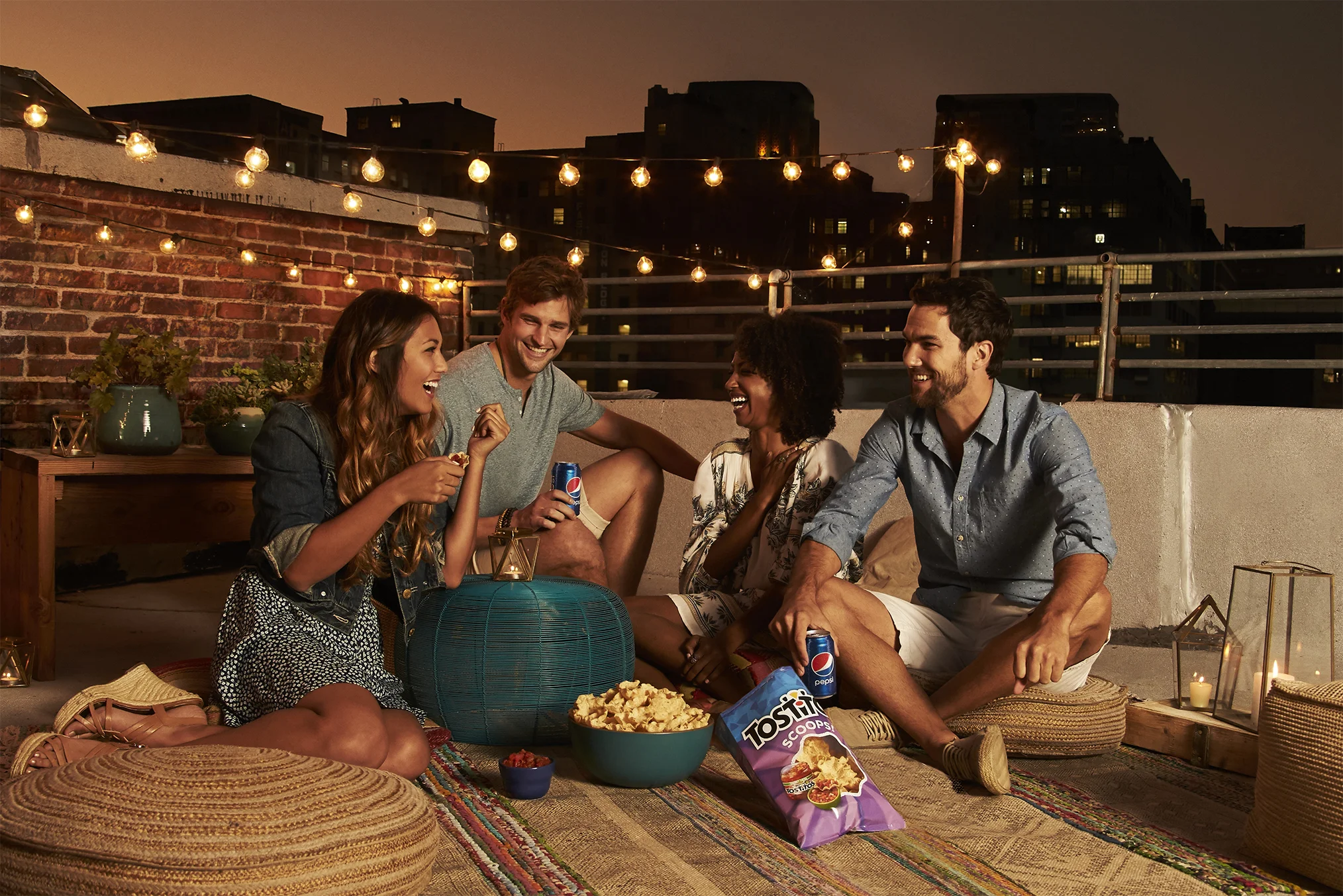
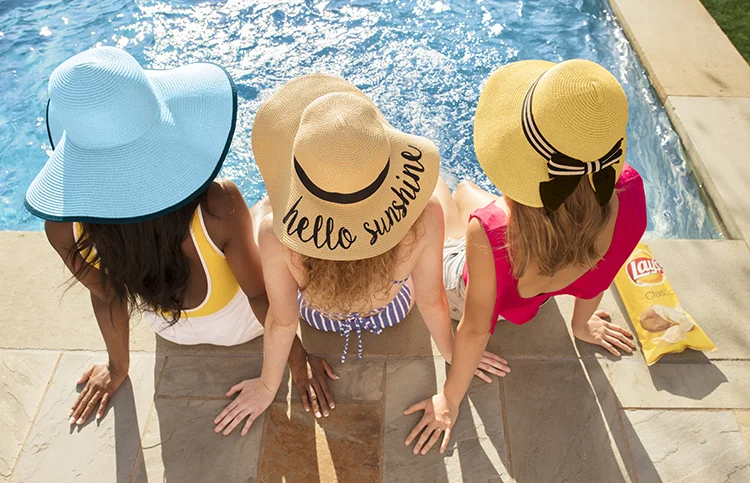
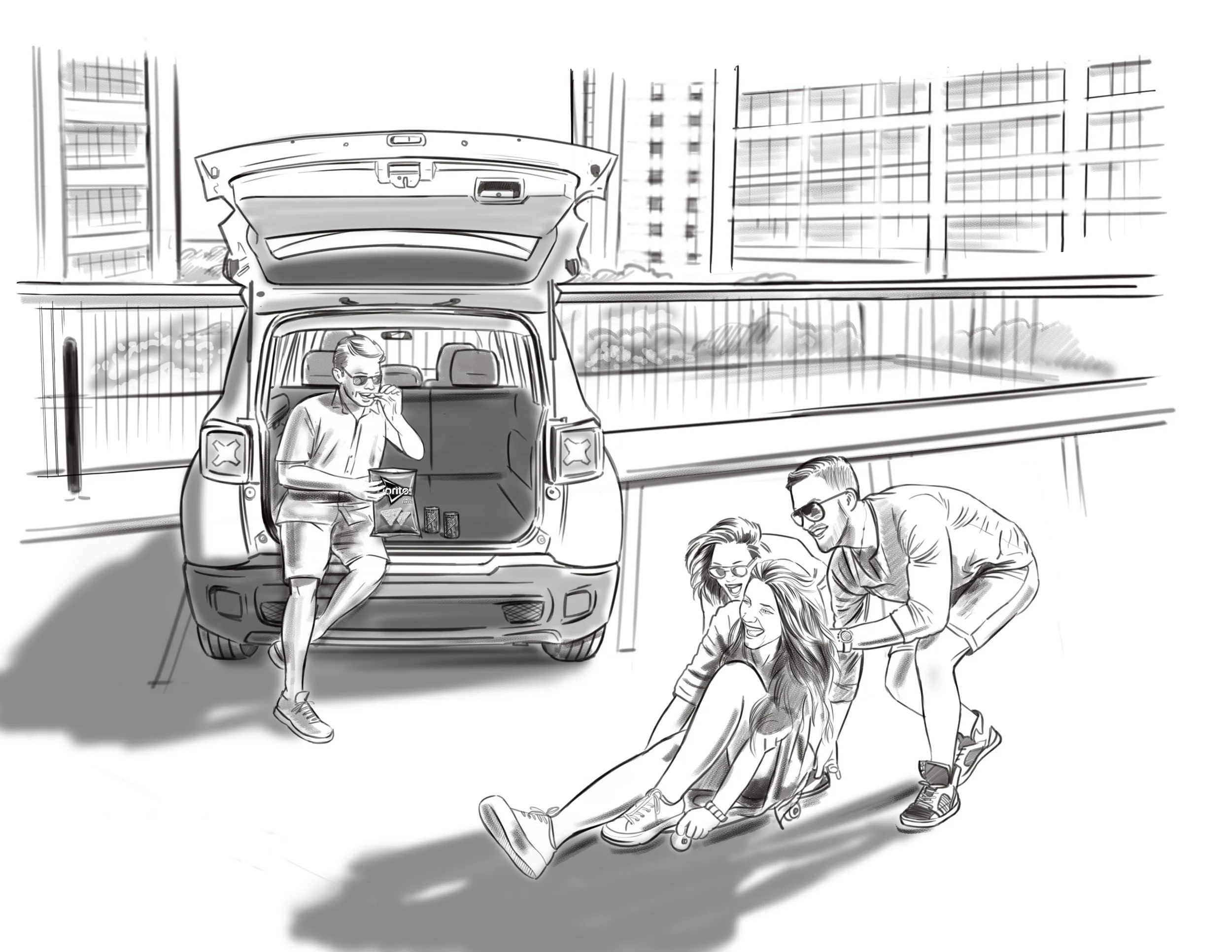
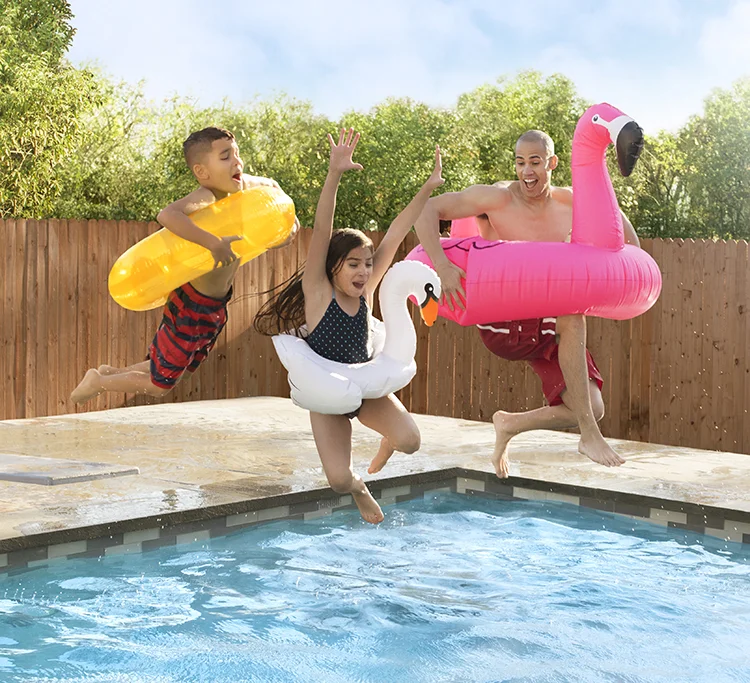
This chapter also introduced me to the world of large-scale photo production, which turned out to be one of the most creatively demanding and deeply satisfying things I've ever been thrown into. Pre-production, casting calls, sketching shots and structures, managing locations — I learned all of it on the job and loved every chaotic minute. The crown jewel was a summer and Memorial Day shoot that remains to this day the largest production I've ever been part of: a week in LA, three locations, a cast of twenty models, and a level of exhaustion on the flight home that I have never quite replicated. (More on that later — there's a whole section for it and I'm not sorry.) I would do it again in a heartbeat.
Social taught me things no other discipline could — and I mean that in the best and most chaotic way possible.
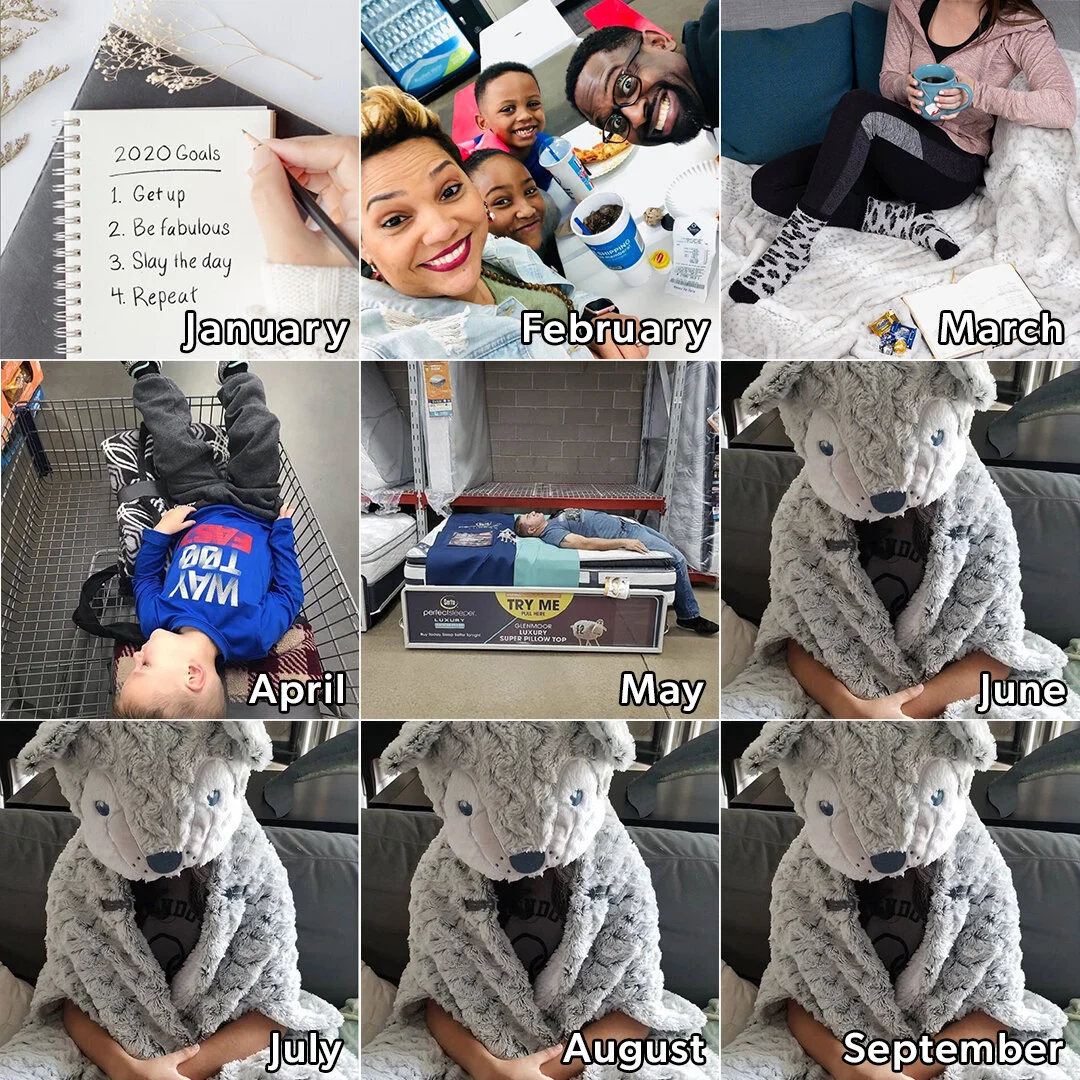
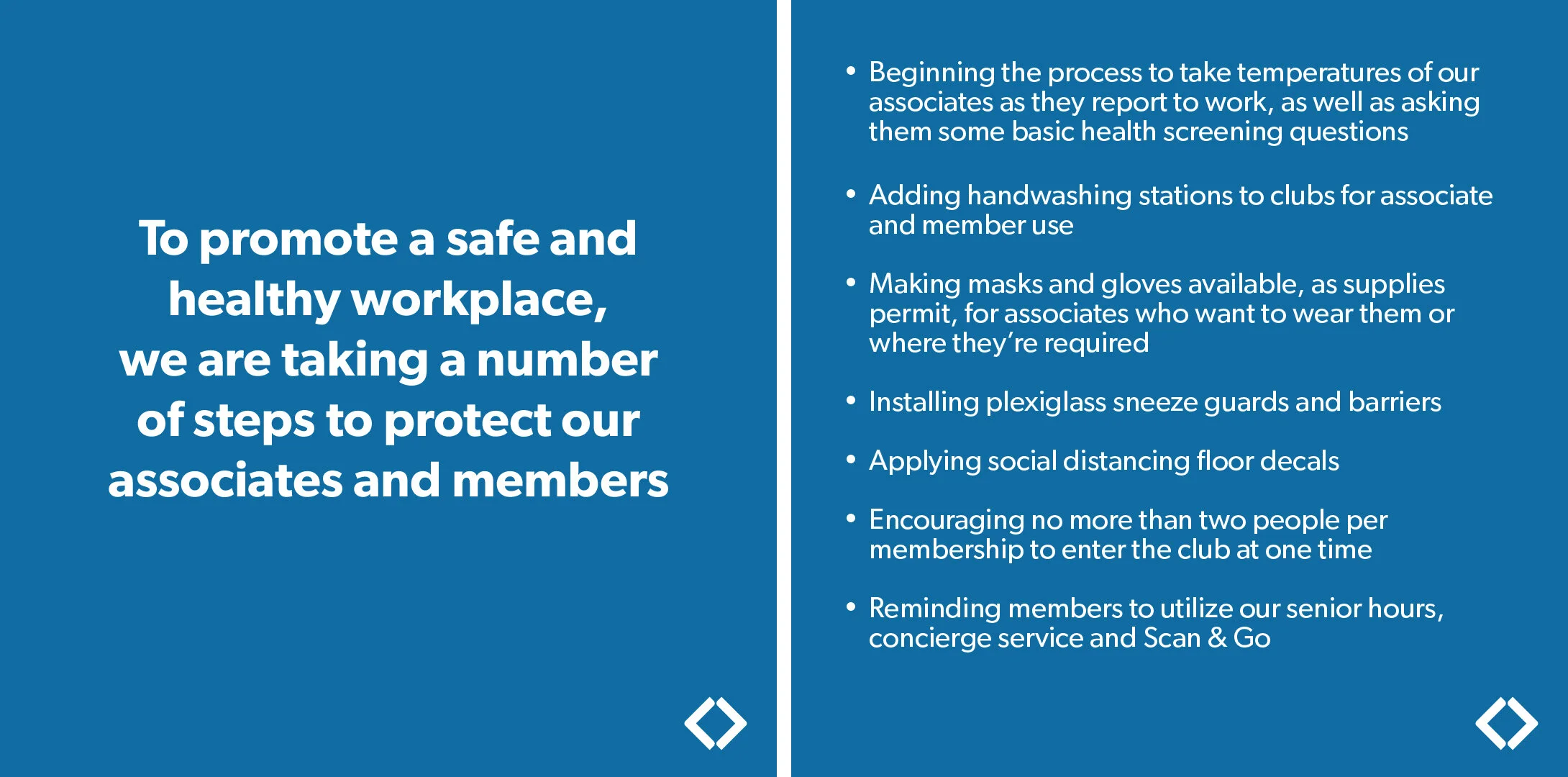
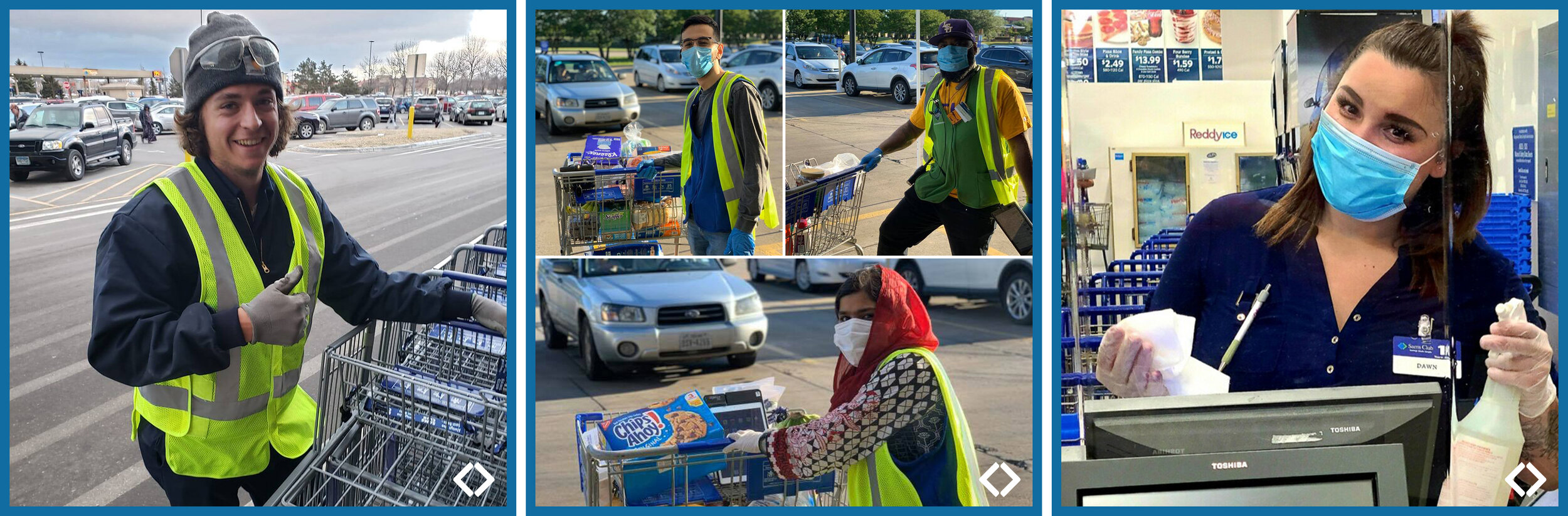
I got my sea legs on Sam's Club's organic B2C social, diving headfirst into the relentless, fast-paced drumbeat of content that social media demands. It was a shock to the system after the four-month timelines of point of sale work. Suddenly perfection was the enemy of posted, and learning to let go of it — to move quickly, trust the instinct, and submit to the rhythm — was one of the most valuable lessons of my career. Wait even one second too long and you've missed the moment. But every once in a while, if you're fast enough and smart enough, you get to create the moment. Sam's Club was also my home during Covid, and figuring out how to adapt what we were posting, when, and why — in real time, as the world changed beneath our feet daily — was the challenge of a lifetime. One I'm genuinely glad I was there for.
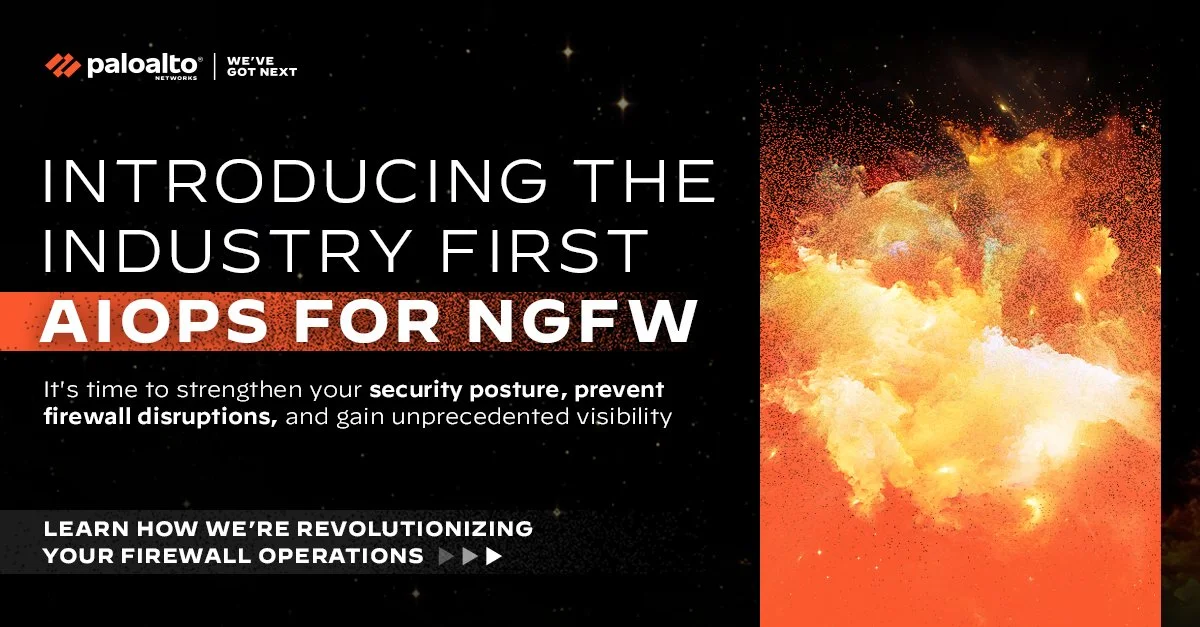
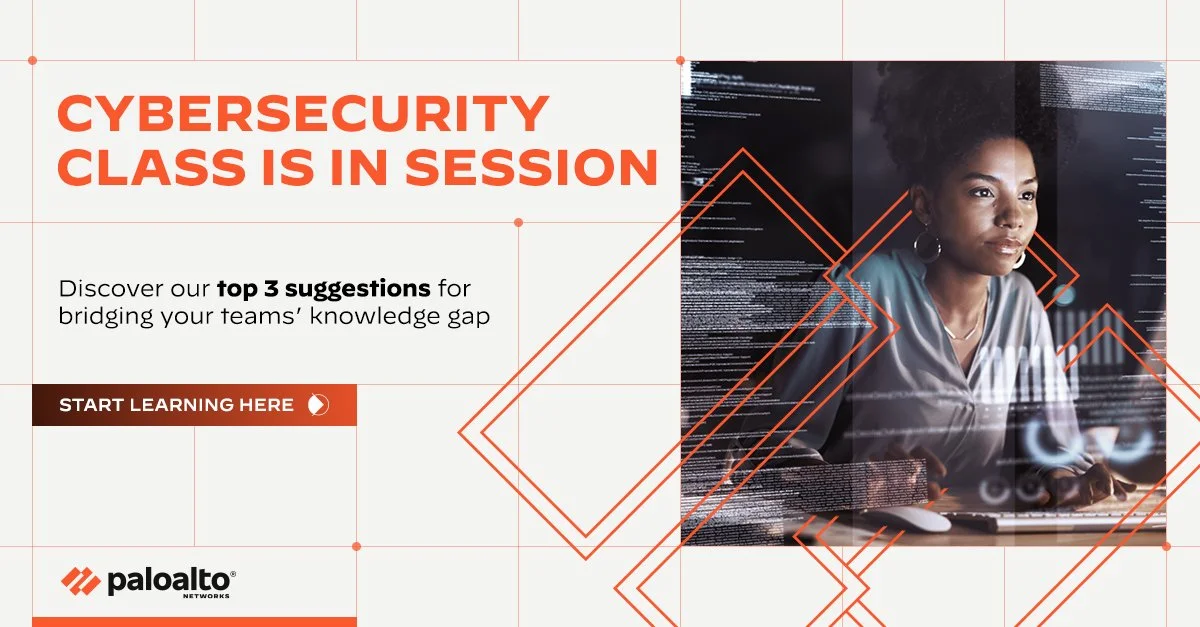
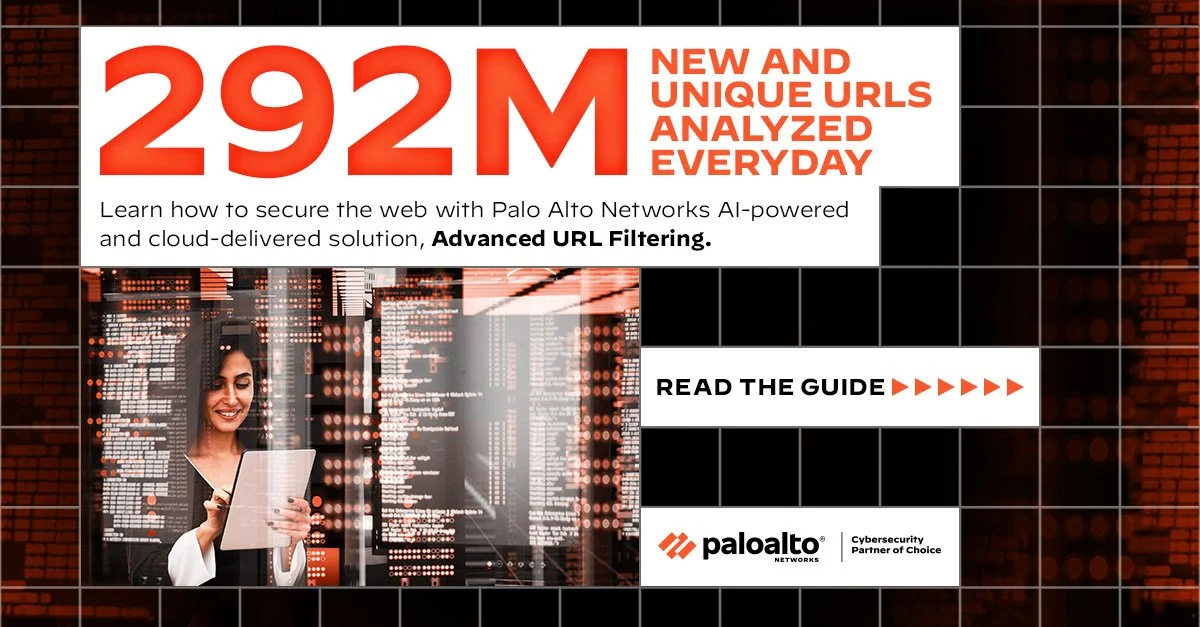
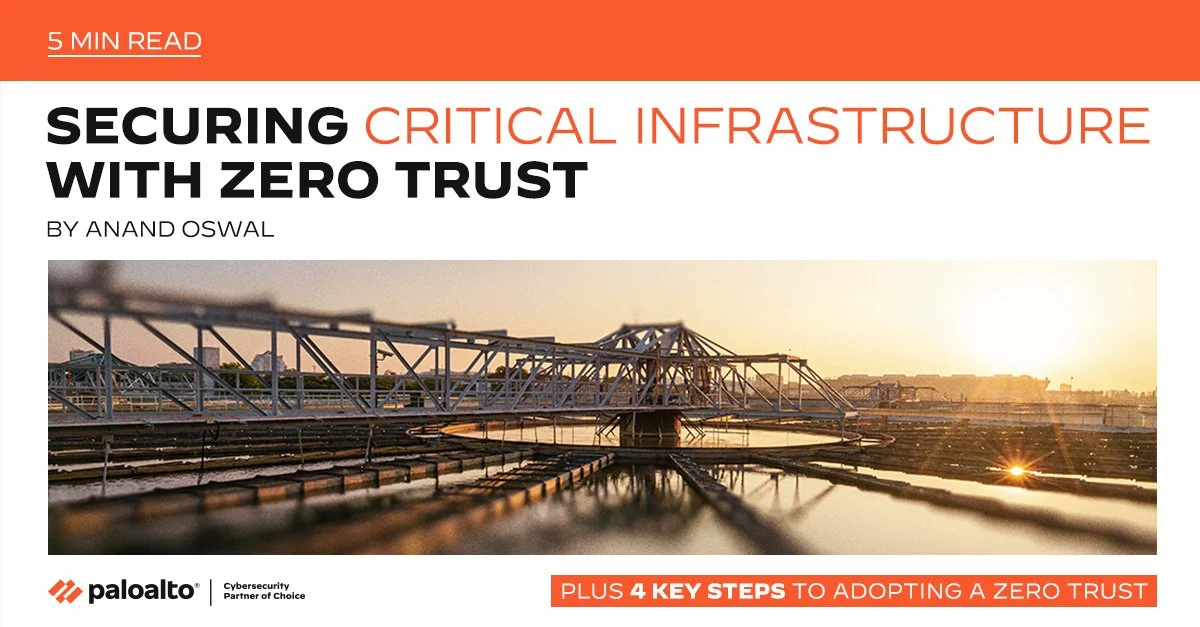
On the complete opposite end of the spectrum, I led the organic B2B social for Palo Alto Networks, one of the world's leading international cybersecurity companies — and this was my first real acting Creative Director role with an actual team under me. Here the work was less about speed and more about strategy: developing posting cadence, building templatized creative systems with quarterly refreshes to keep engagement from dropping, establishing process, and providing a genuine social POV to an agency that hadn't historically been known for that capability. I also received an intensive and entirely unwanted crash course in cybersecurity terminology that I retain to this day, against my will and better judgment.
The numbers tell the story pretty clearly: a team of five creatives producing 4,000+ unique posts per year — each sized and optimized for every channel — with an engagement rate that consistently outperformed industry averages by a wide margin. The industry average AE rate sits somewhere between 1.4 and 2.7%. Ours ranged from 3.1 to 5.9, averaging around 5%. I'll take it. And if you want a real illustration of what social demands of you, consider this: I once turned a post around in under ten minutes — two creative rounds and client feedback included — in response to a major cyber attack on the company. No brief, no runway, no time to overthink it. Just the instinct you build from years of doing the work and trusting yourself to get it right when it counts.
More importantly, this is where I started truly learning how to lead. Building out the team, managing different personalities, and beginning to create the kind of environment where people feel safe enough to grow, learn, and do their best work. Social will always have a special place in my heart for the unique, humbling, never-boring challenge that it is. Learning to do that dance takes time, commitment, and a very high tolerance for the unexpected. There is truly nothing else like it.
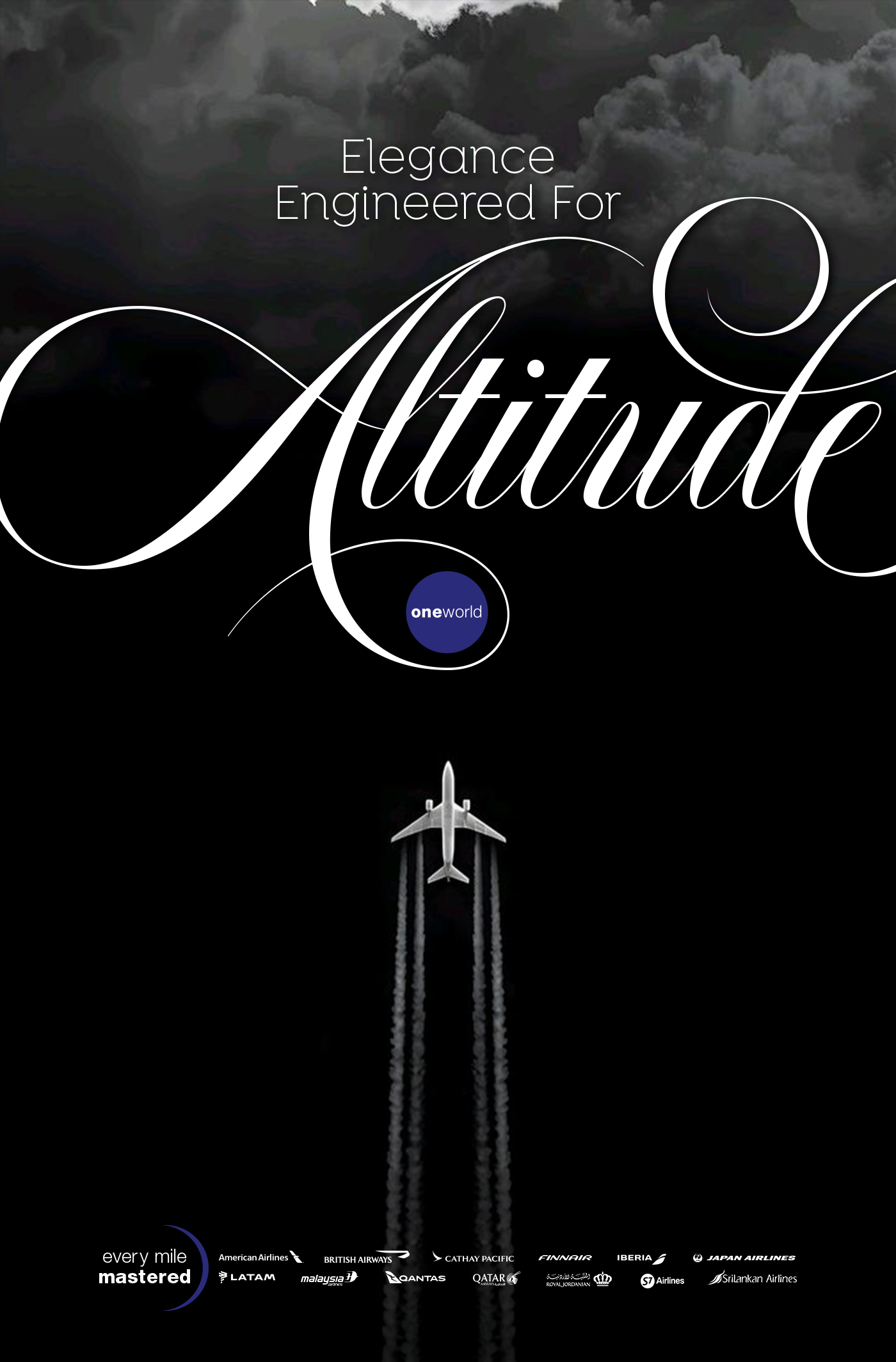
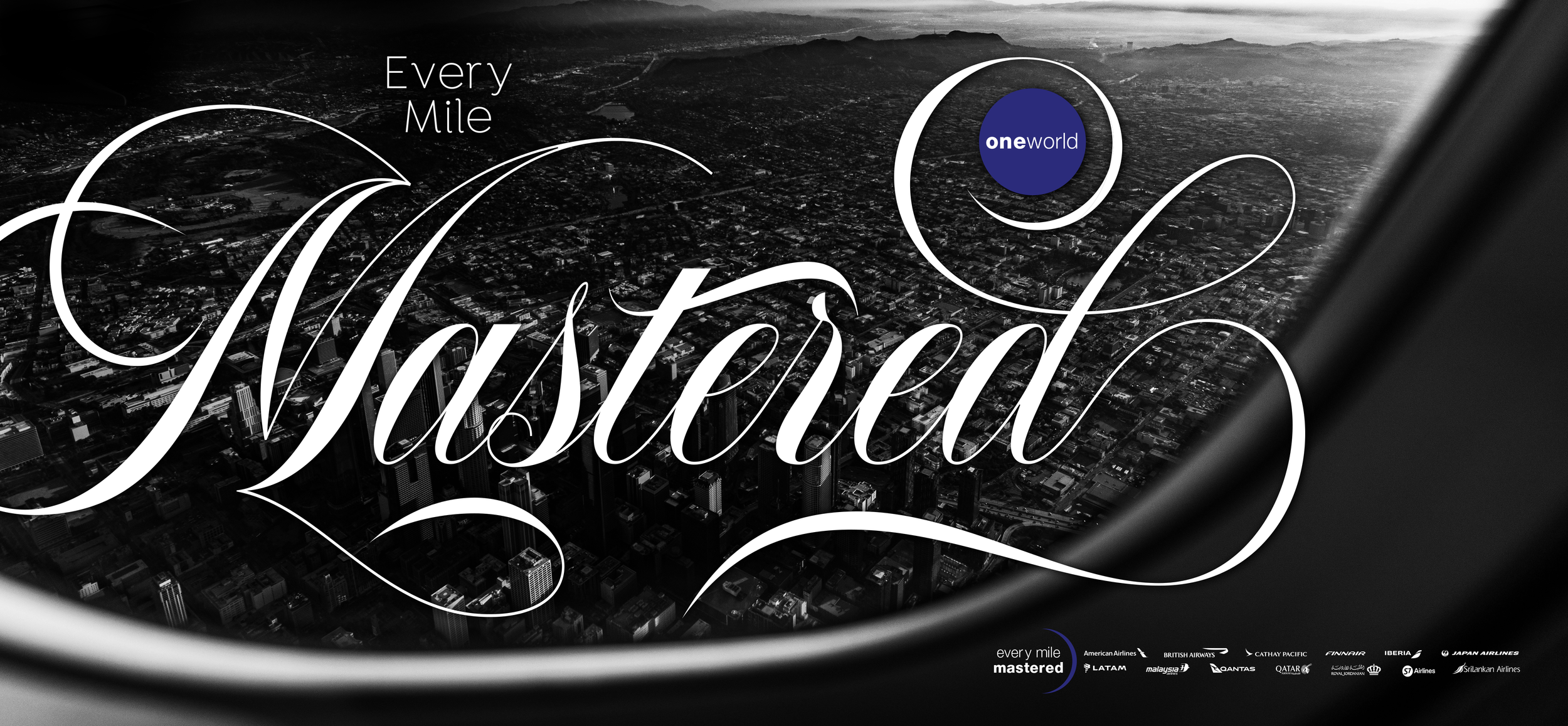
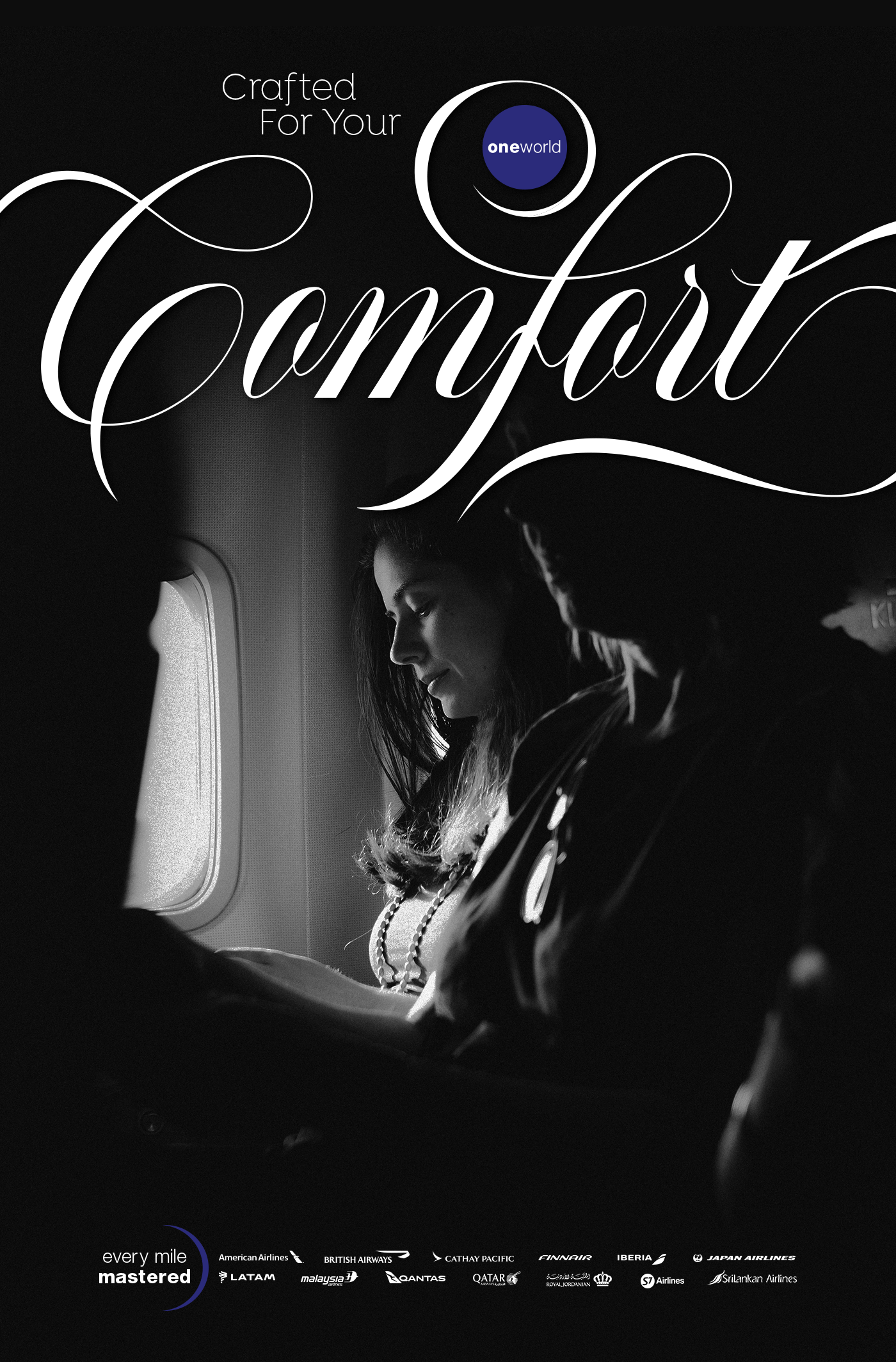
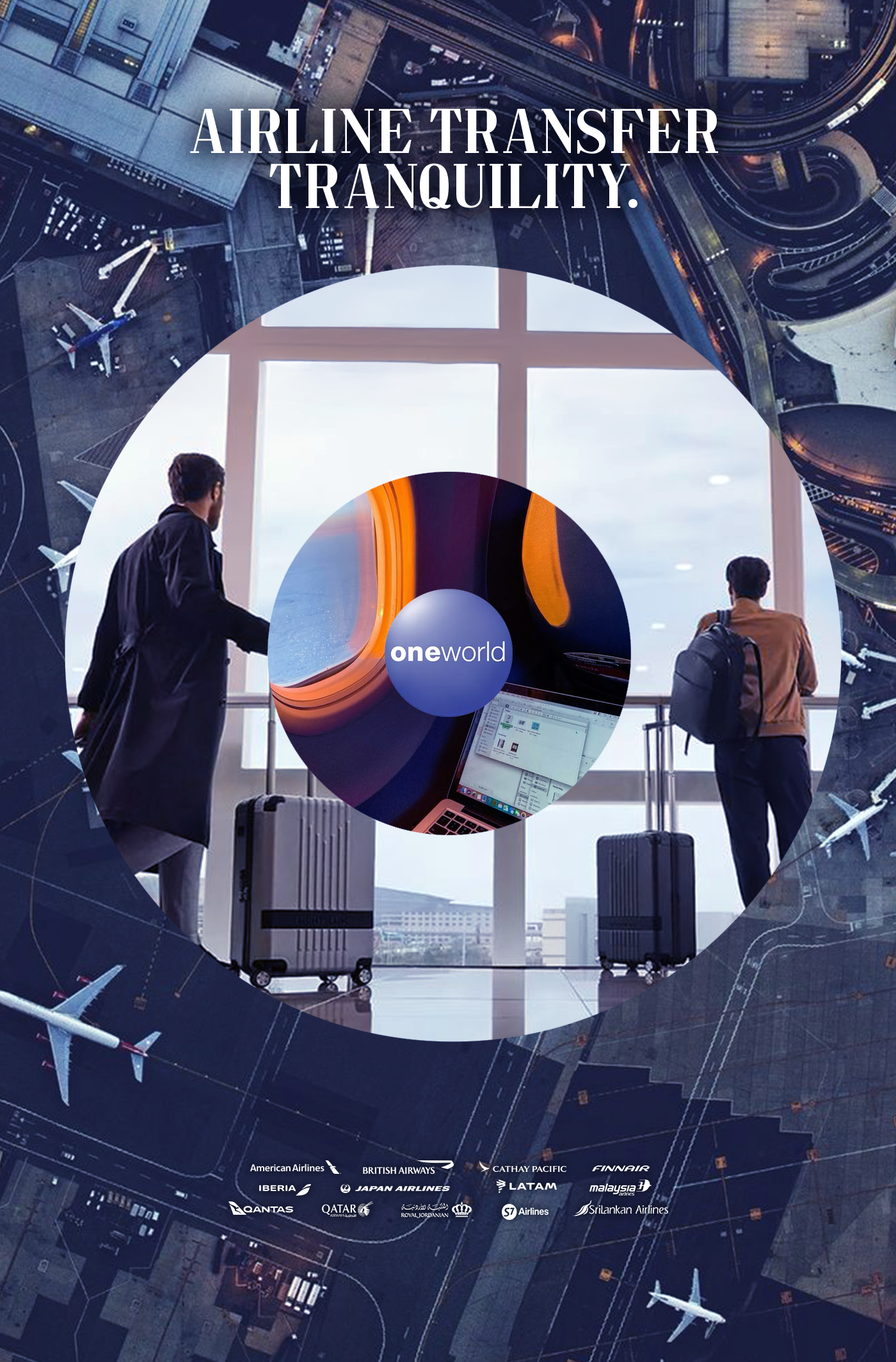
No matter where my career has taken me, I always come back to design. Concepting large-scale 360 promotions is an incredible challenge and one I love, but design is where I truly live and breathe. It's the part of this job that has never once felt like work.
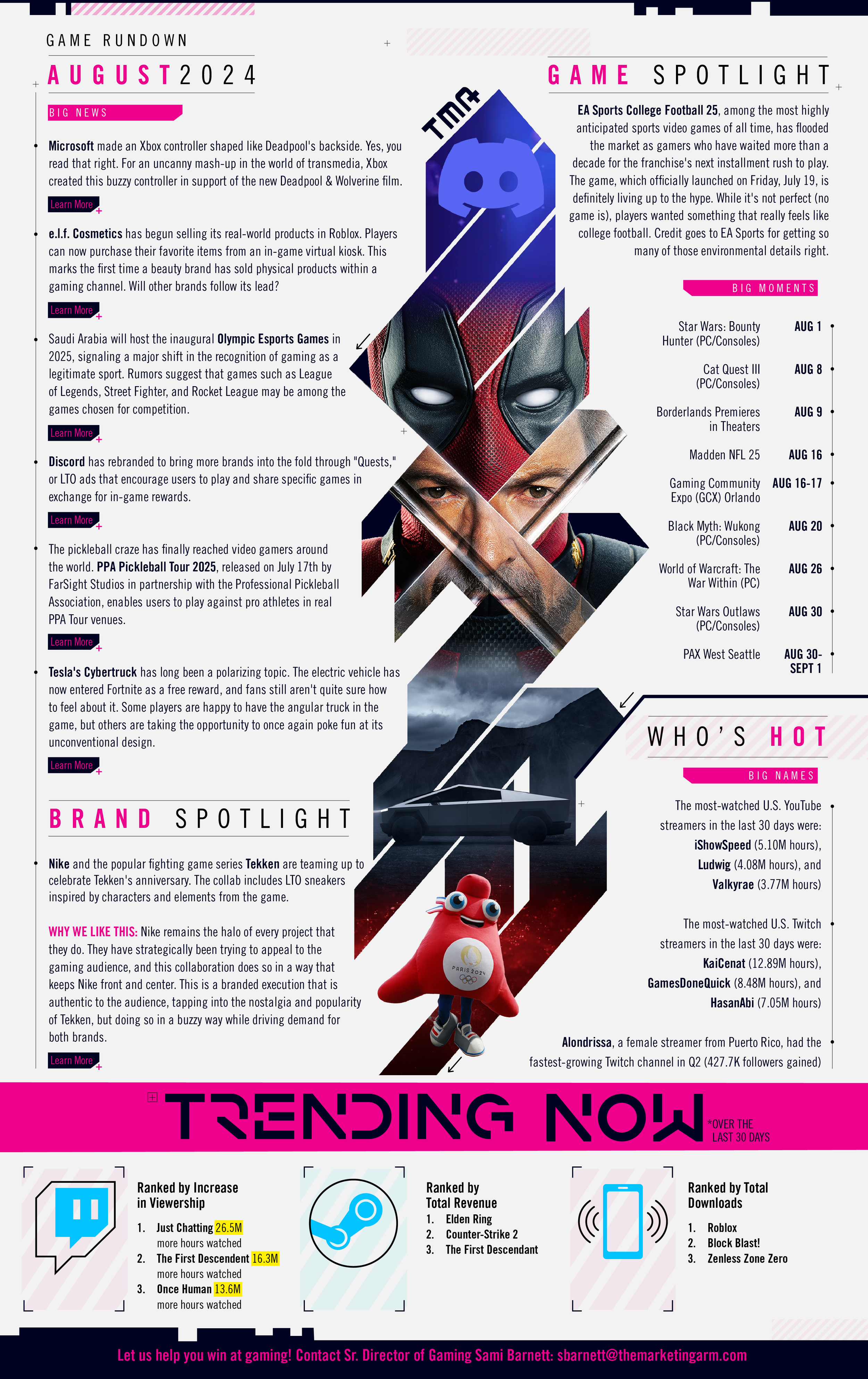
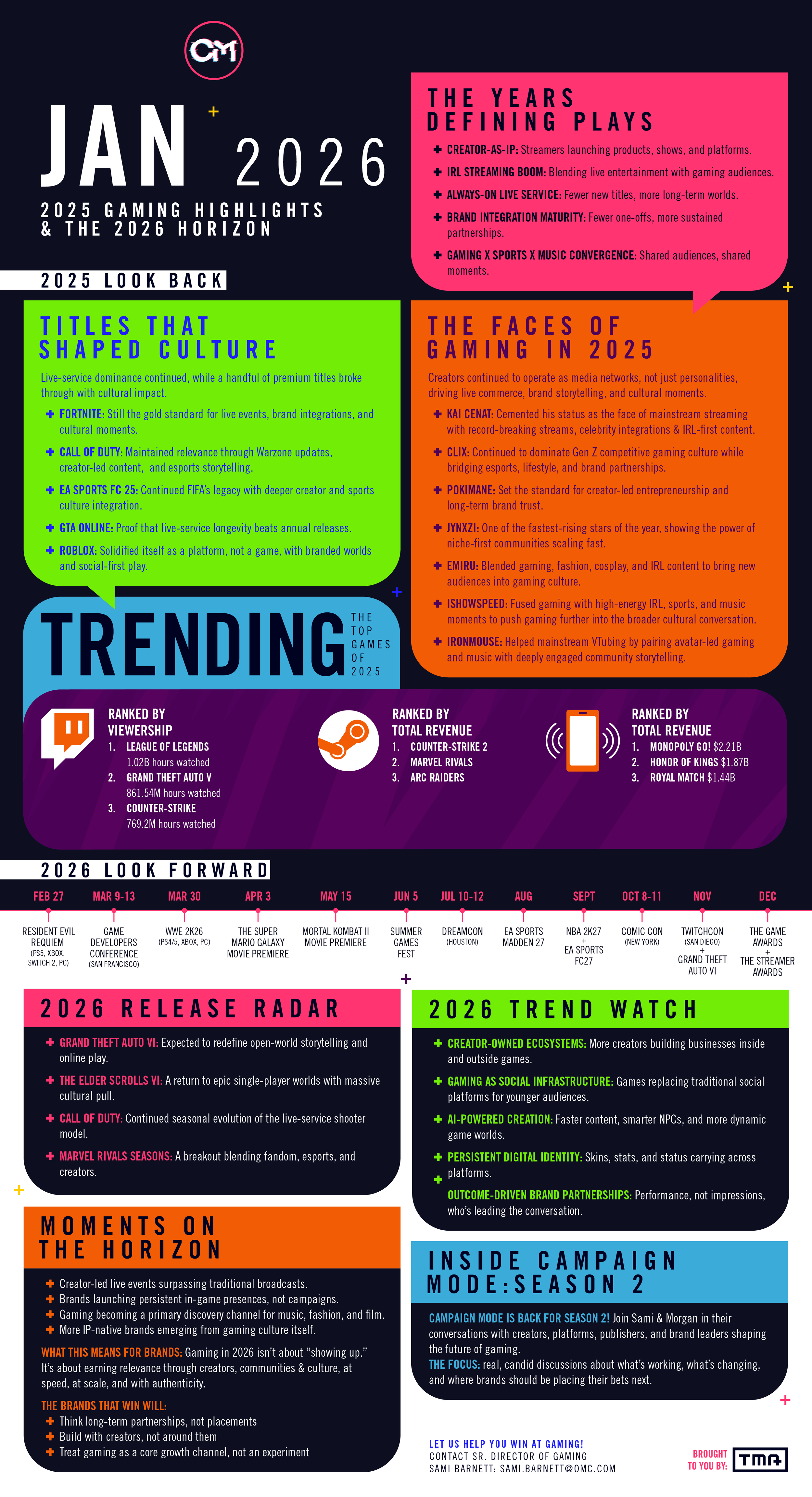
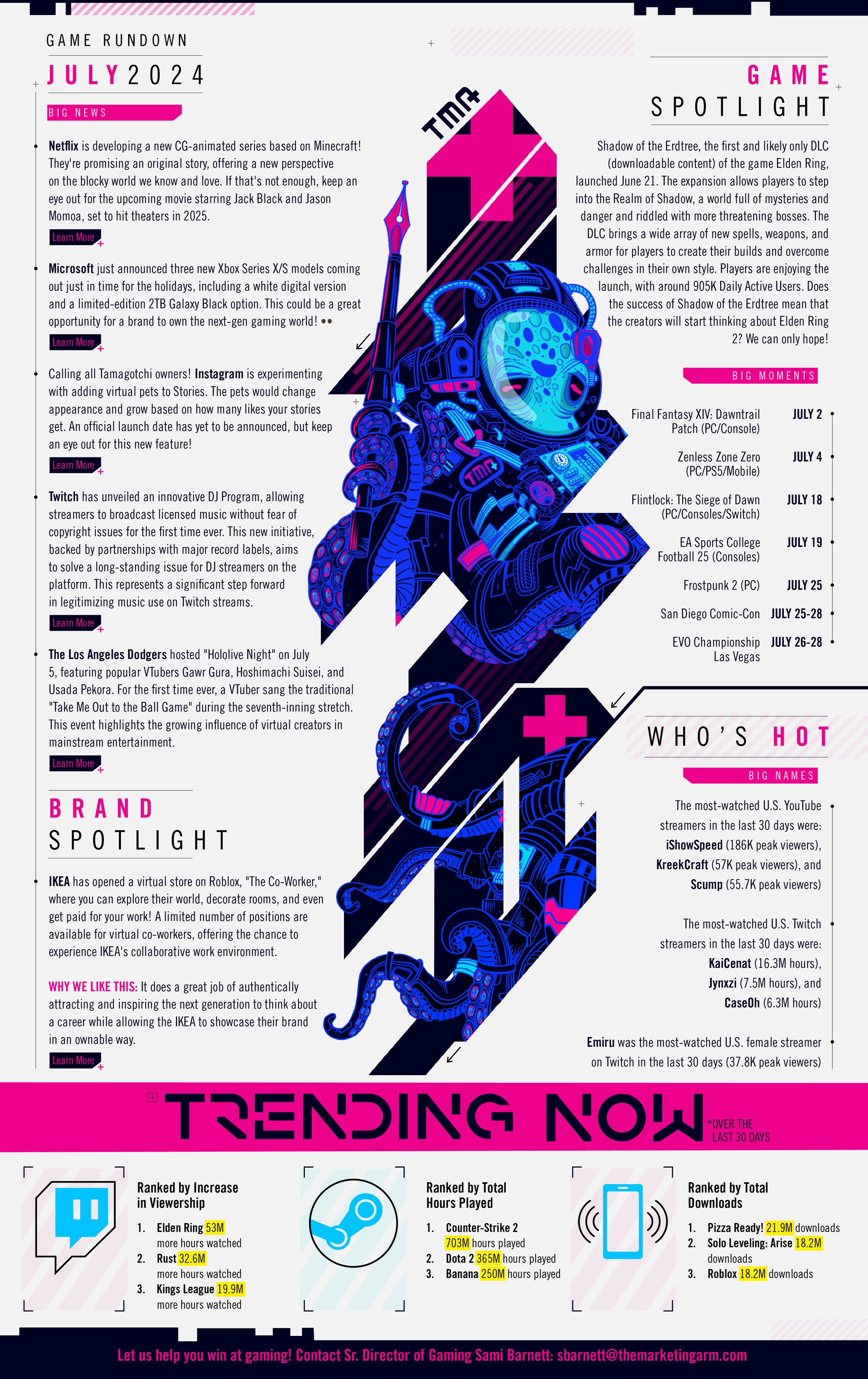
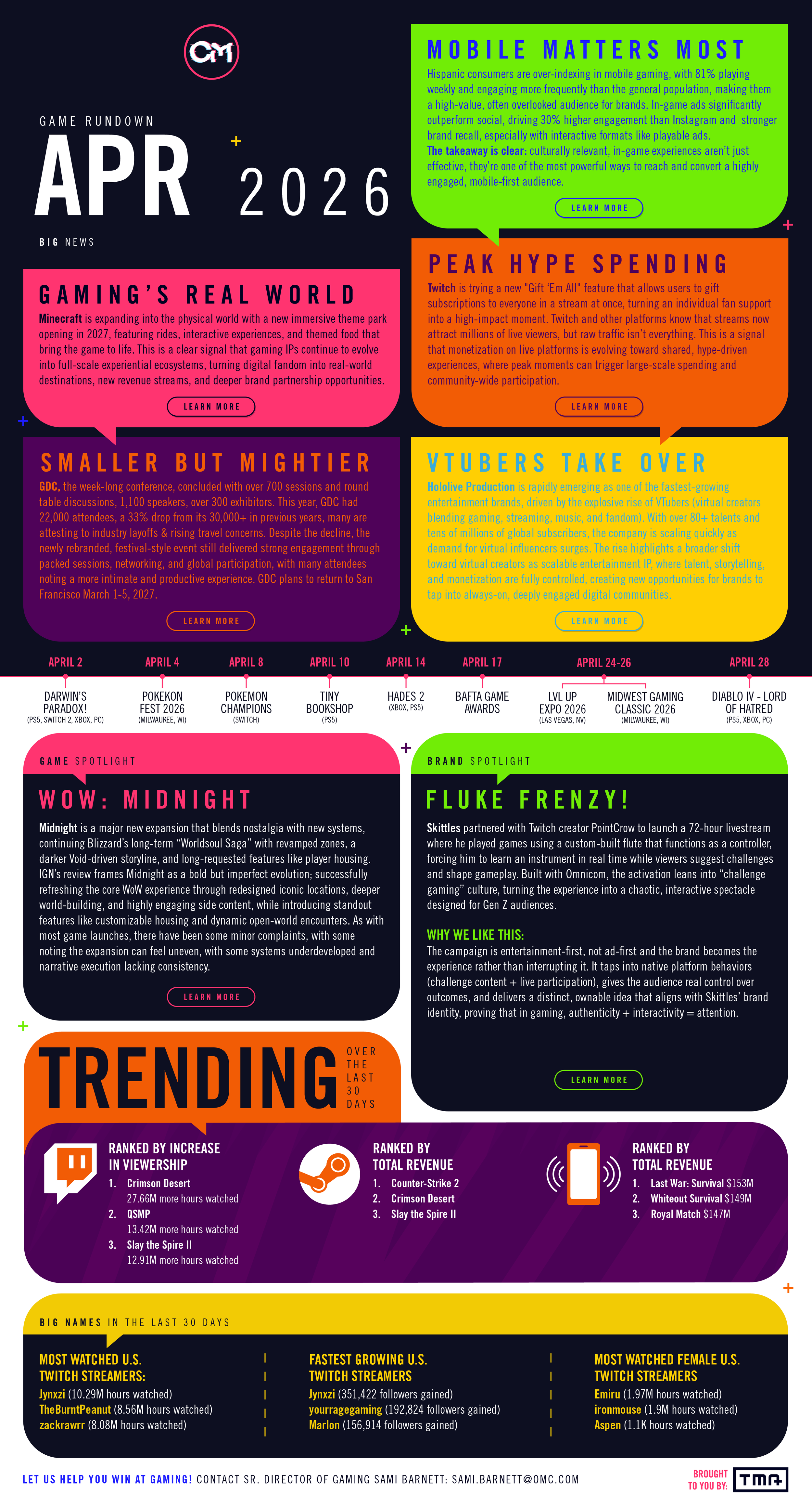
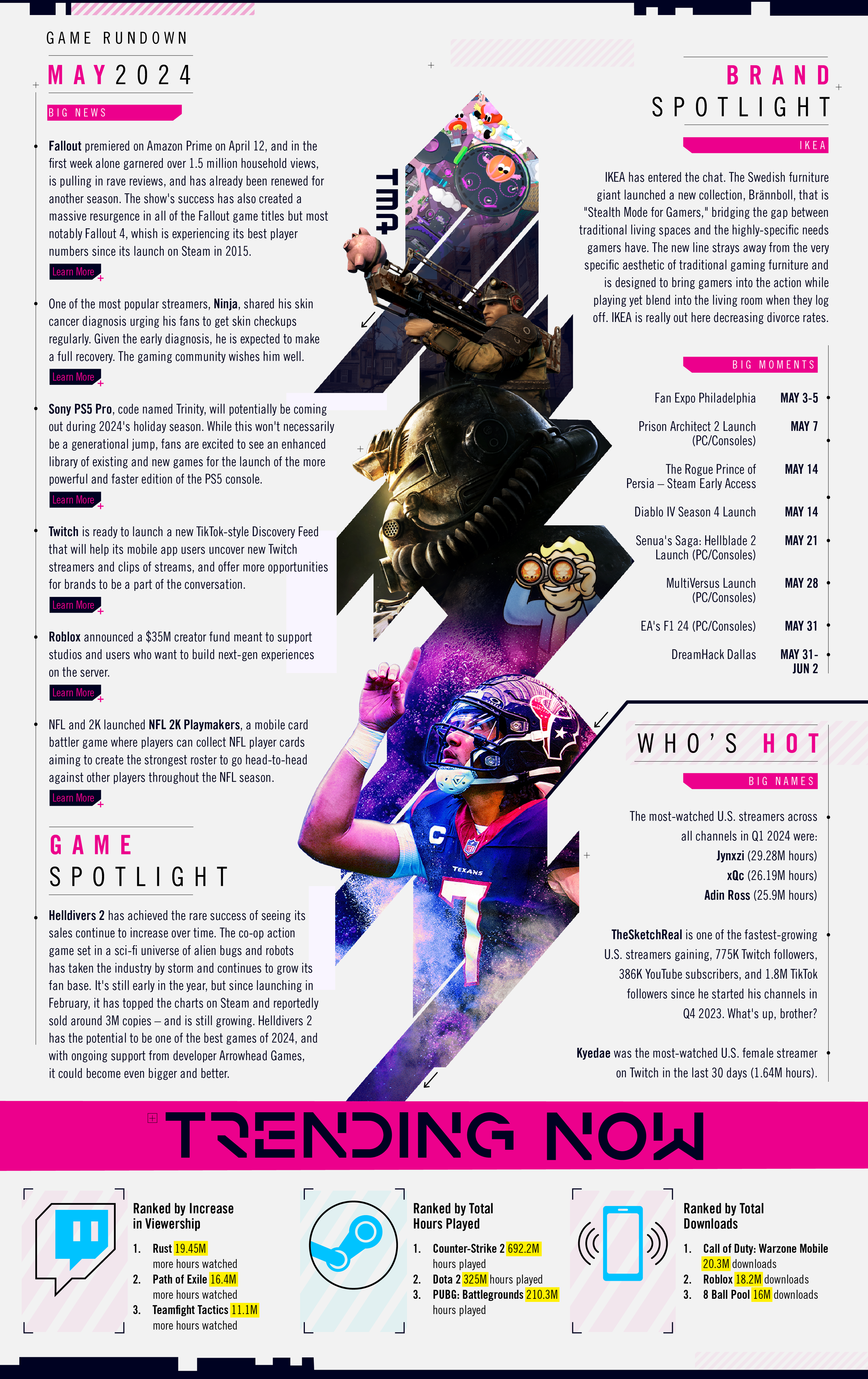
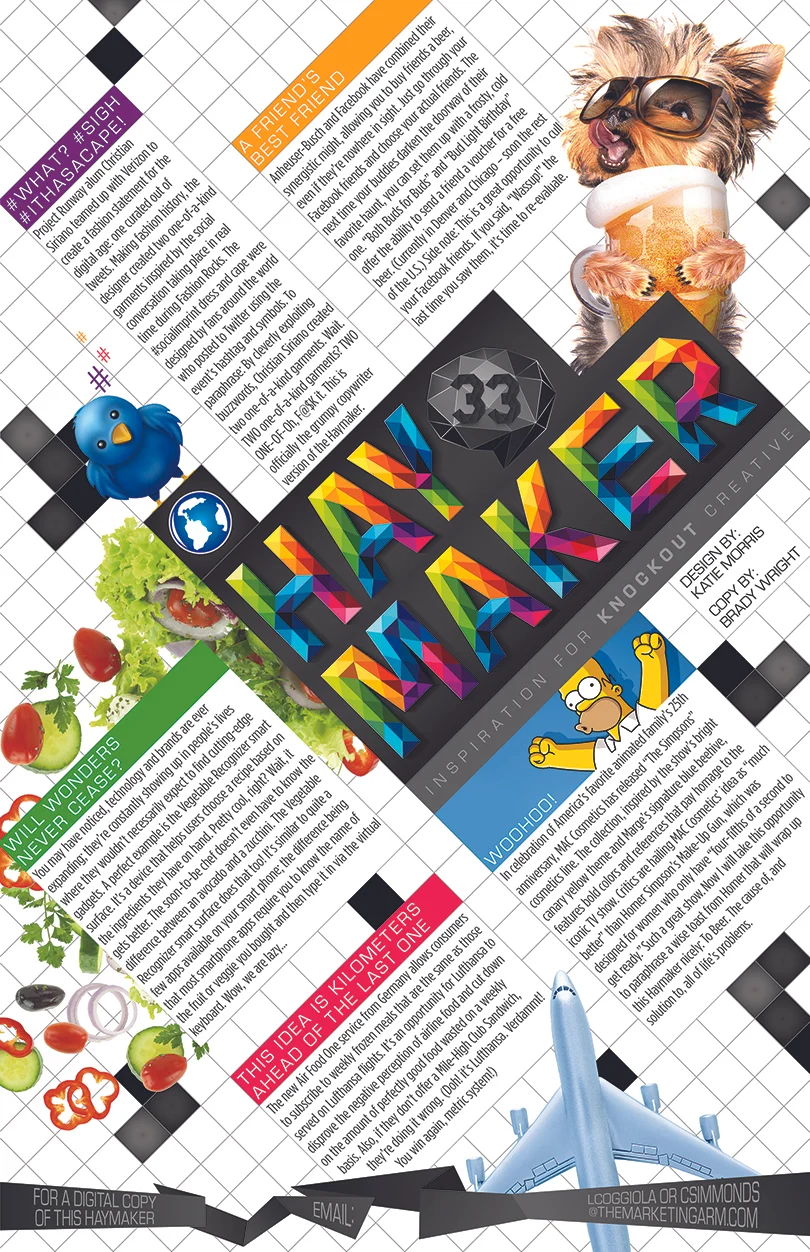
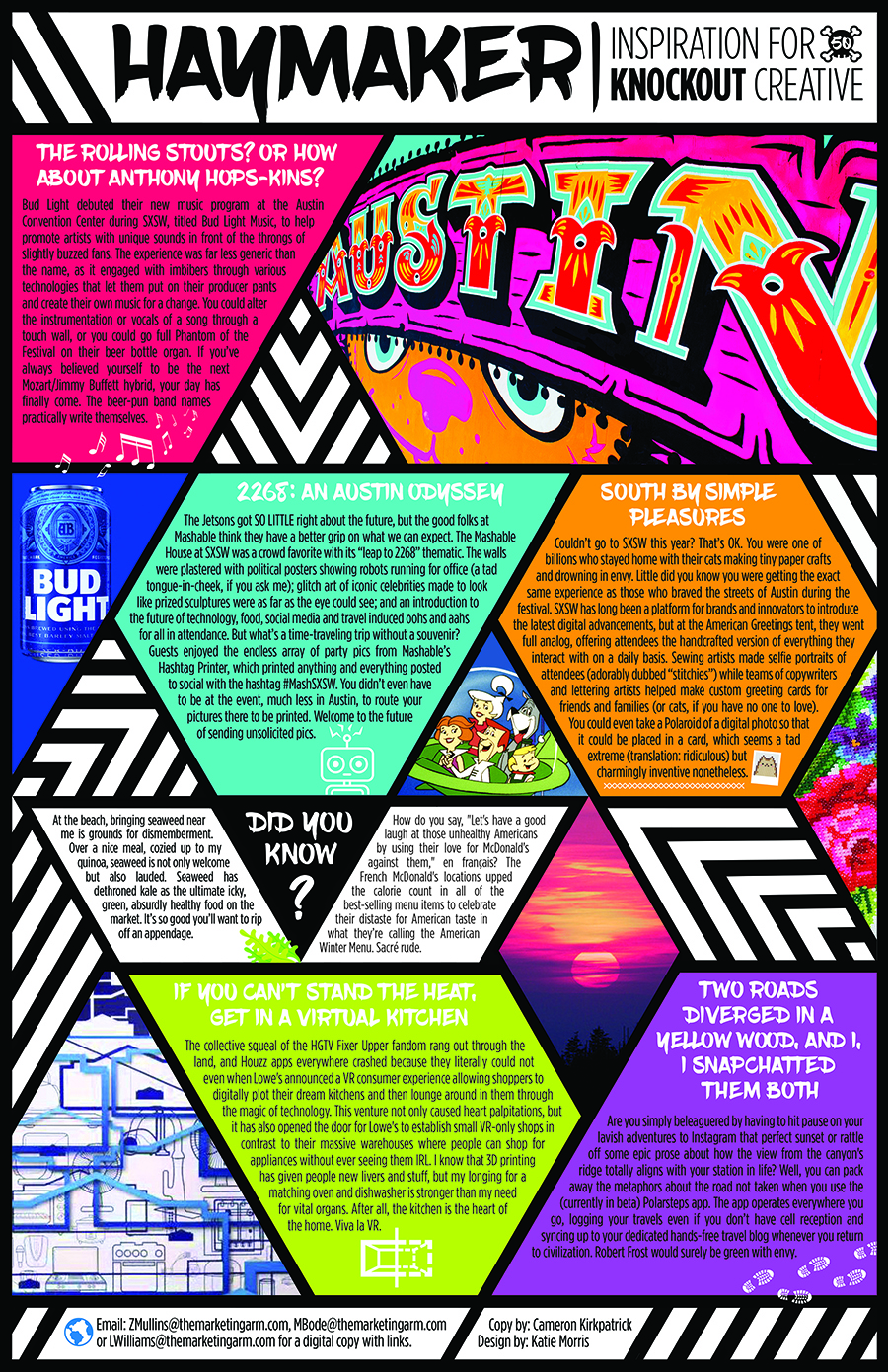
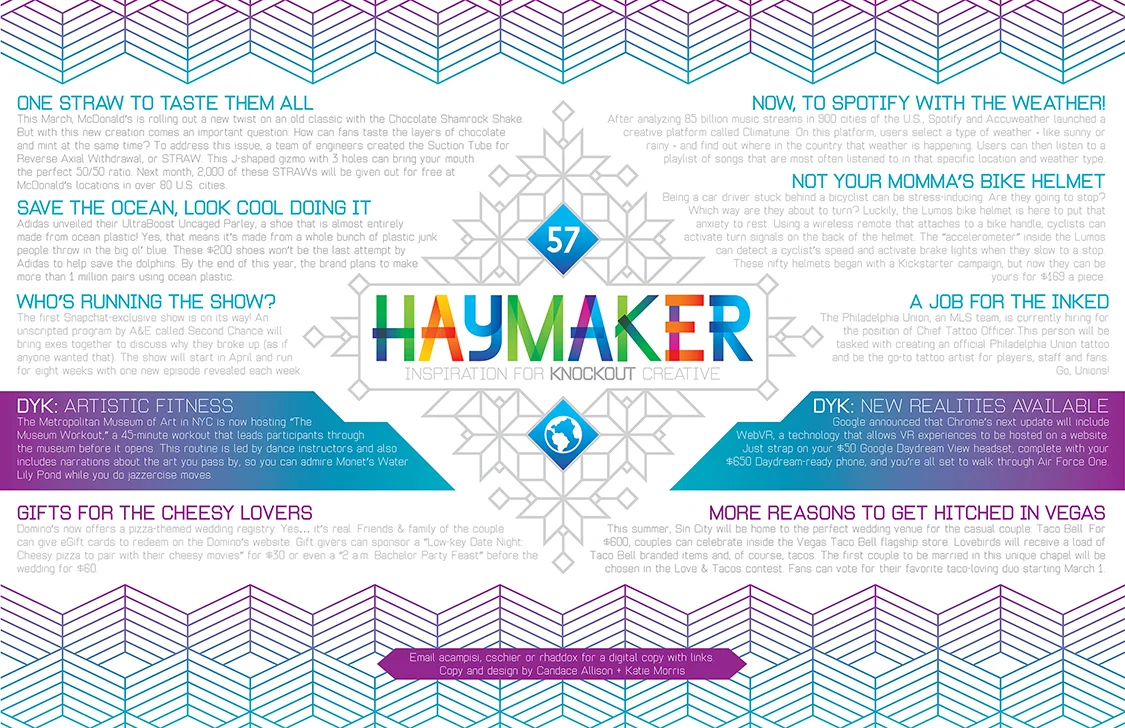
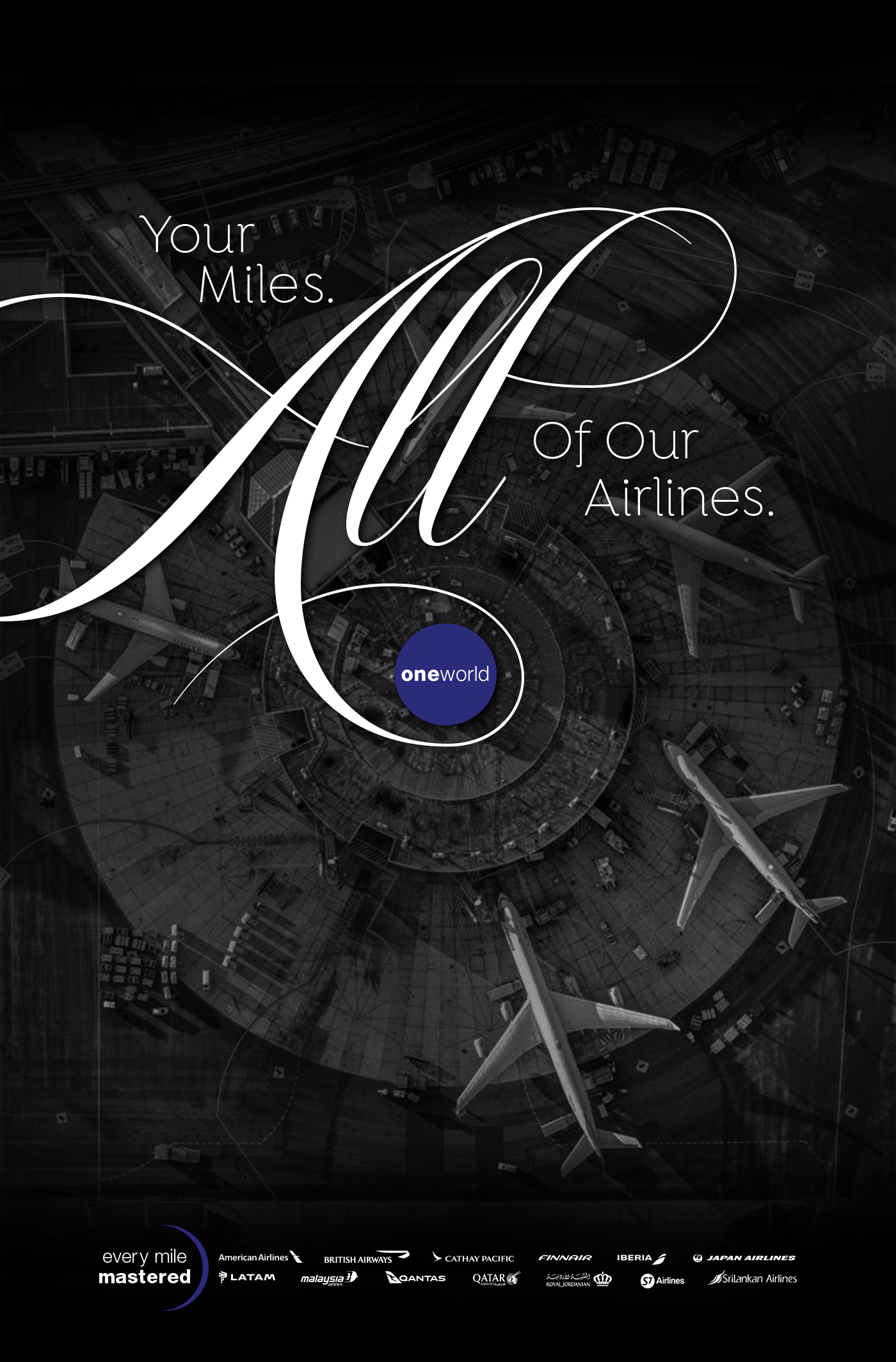
There is something deeply satisfying about the fundamentals — applying solid design principles, finding a color palette that genuinely harmonizes, making sure the solution actually answers the problem at hand rather than just looking pretty while missing the point entirely. From internal communications designed to inspire fellow creatives, to gaming newsletters, to spec work for pitches that pushes what the art of arrival can look like — whatever I'm working on, I want it to be the very best it can be. Timing and budget very much acknowledged, of course.
And then there are the fonts. I will spend an embarrassing amount of time going down font rabbit holes only to close every tab and use Helvetica like always — or, when the mood strikes, just make my own. No regrets either way.
Getting what's in my head down on paper, watching an idea become something real and considered and finished — that never gets old. Design is the great passion of my life and I take enormous pride in everything I put out into the world. Always have. Always will.
There is nothing quite like being on set. Nothing.
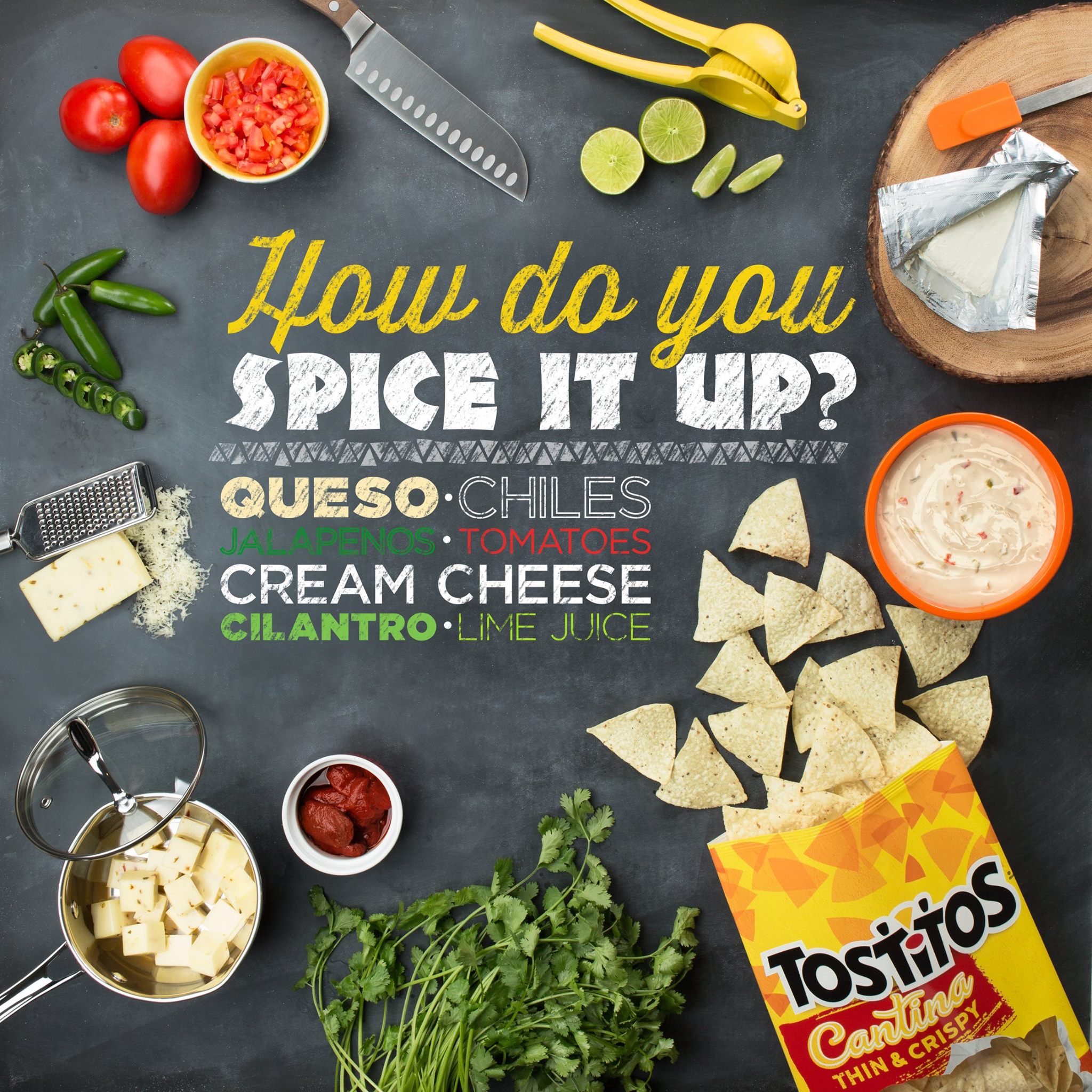
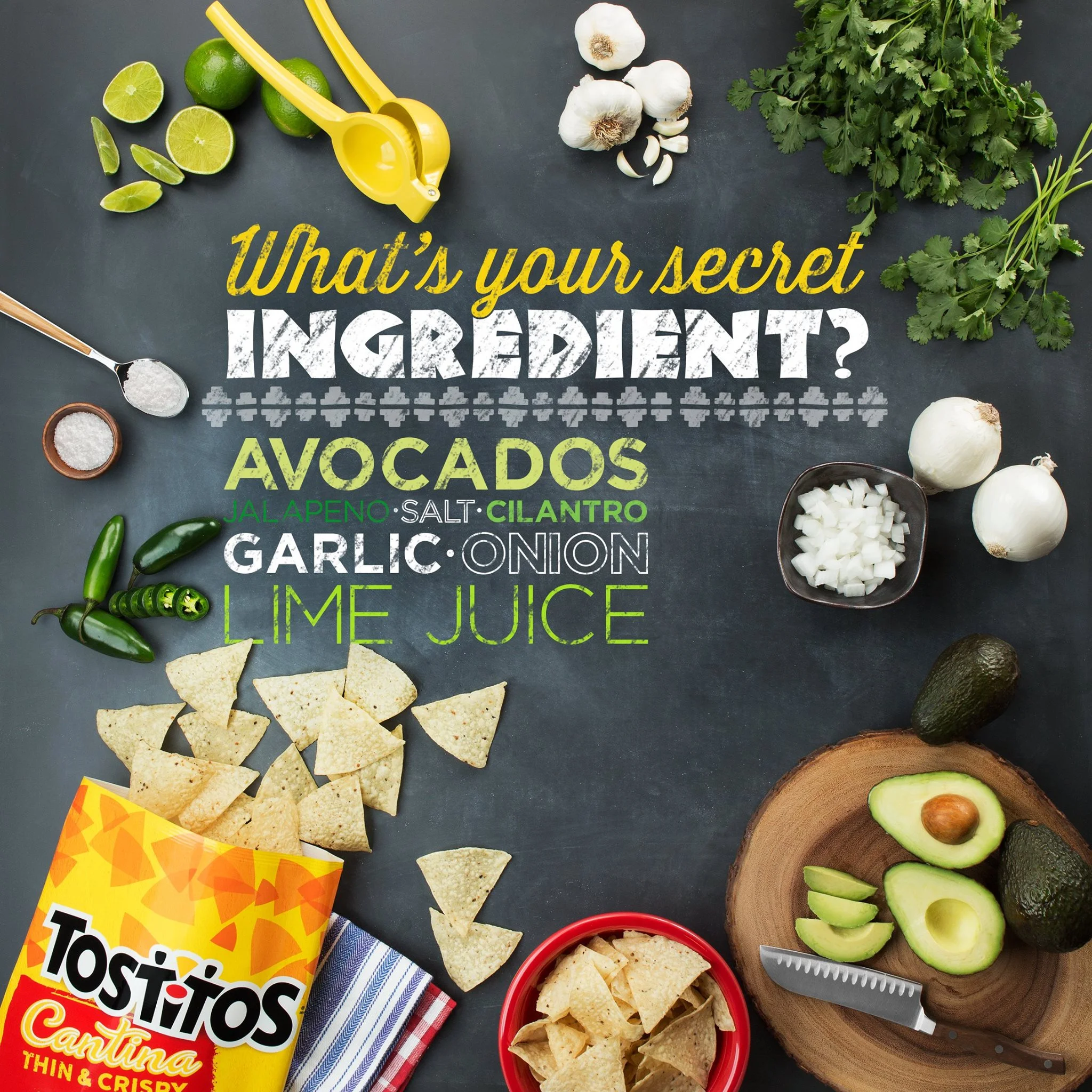
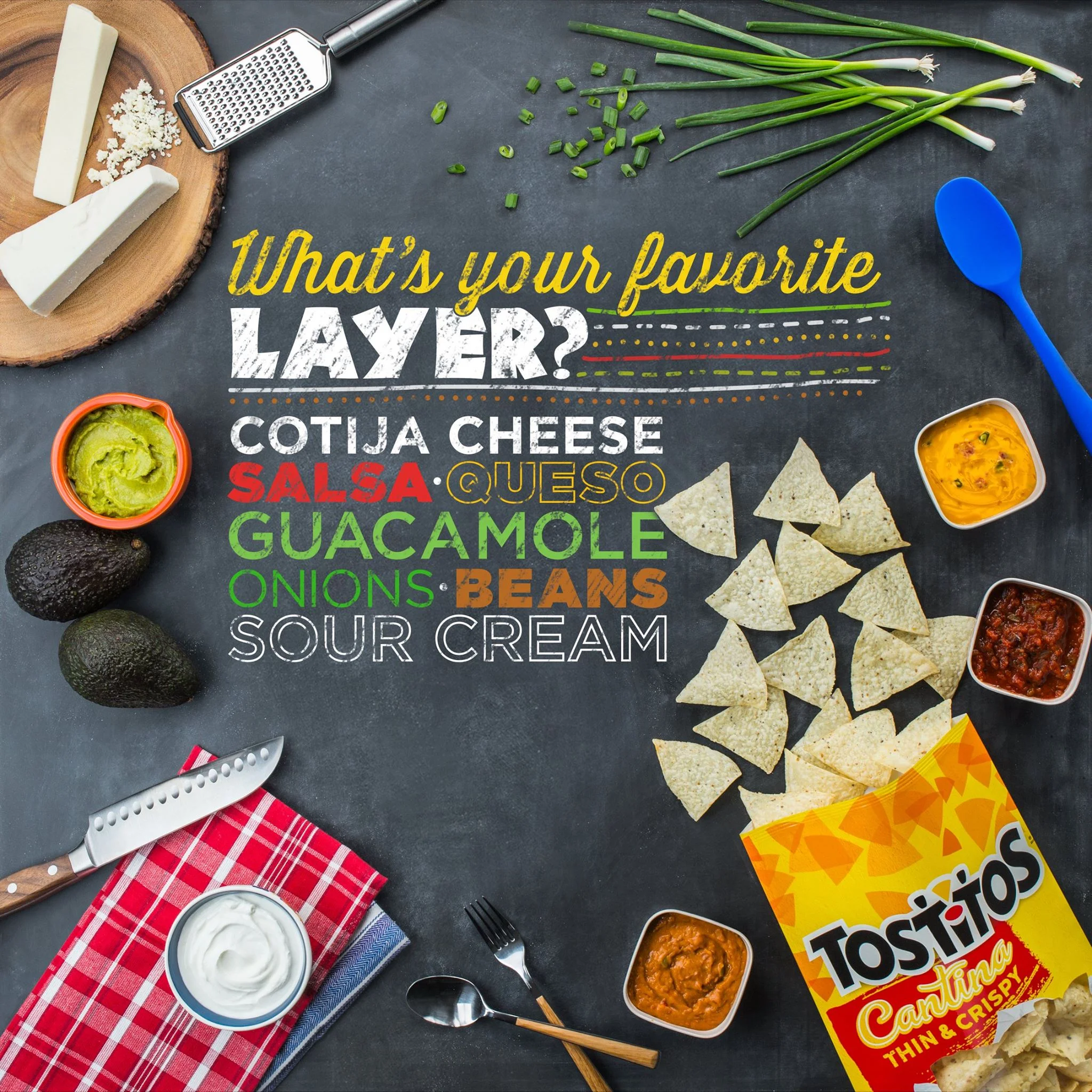
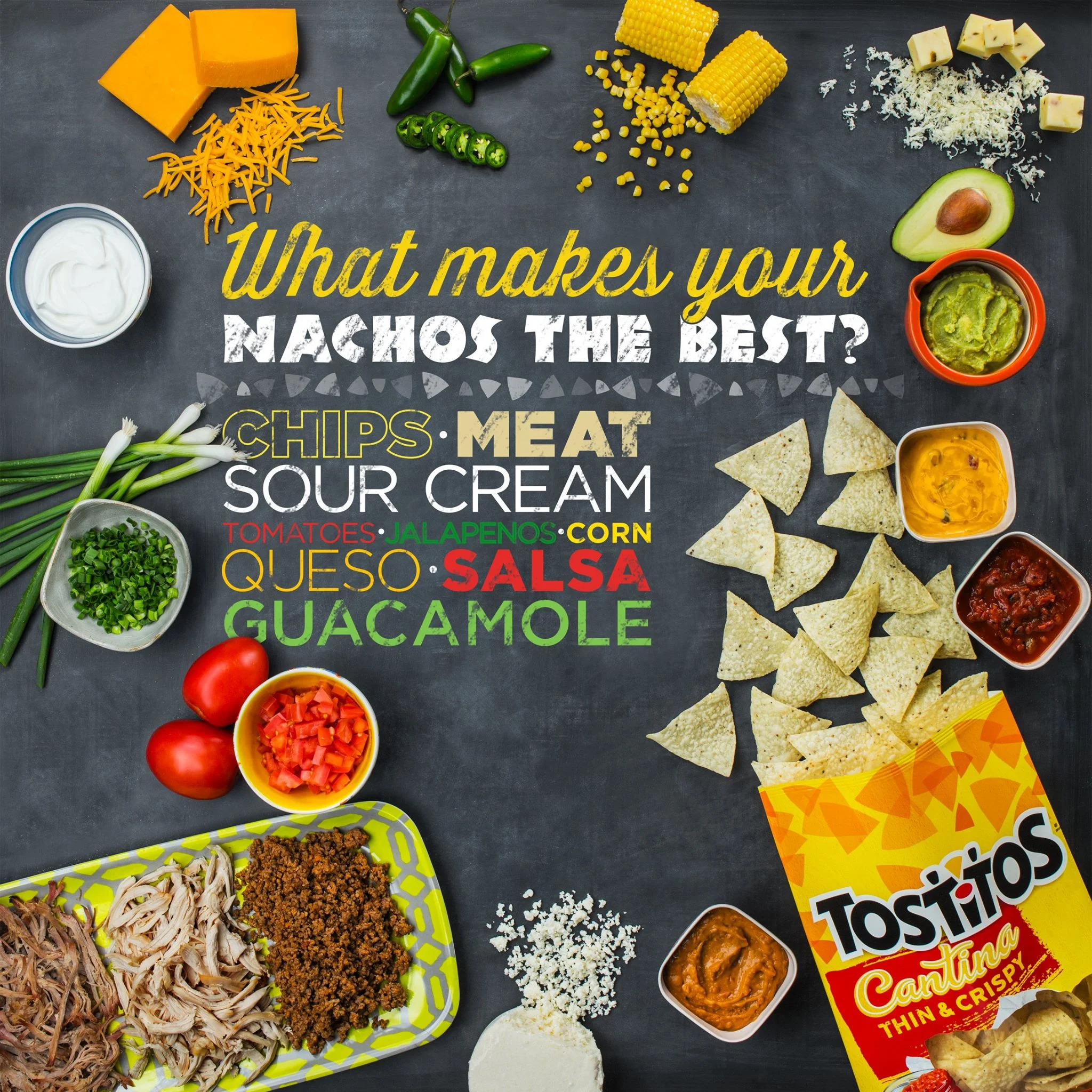
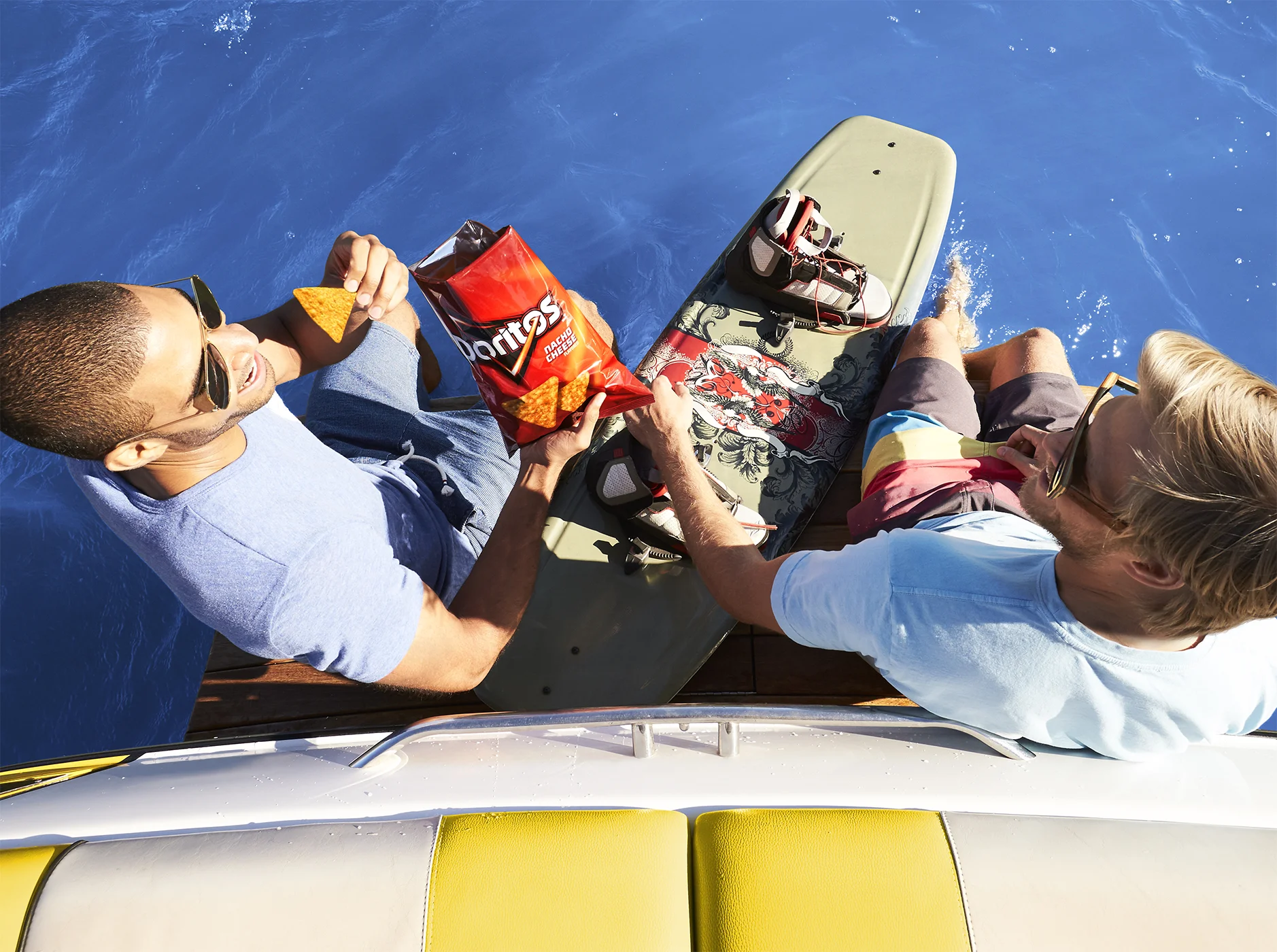
This is where I learned how to fit into a large-scale production, how to inspire and direct models — both professional and unrepped — and how to earn the trust of a photographer and their crew quickly enough to actually get the work done. I also learned how to make a cheese pull last just long enough, and what exactly constitutes a hero Dorito. Critical life skills, all of them, and I stand by that completely.
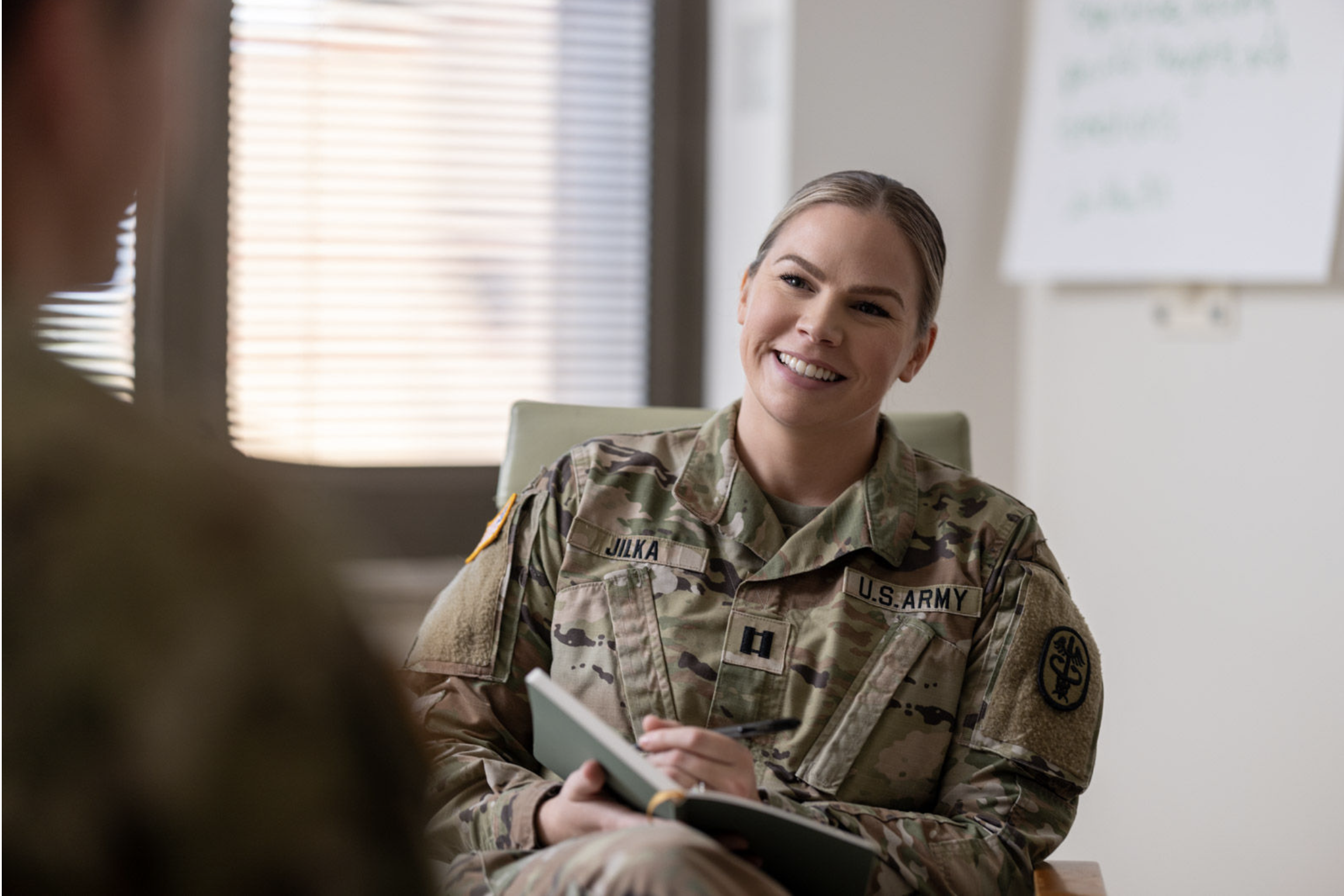
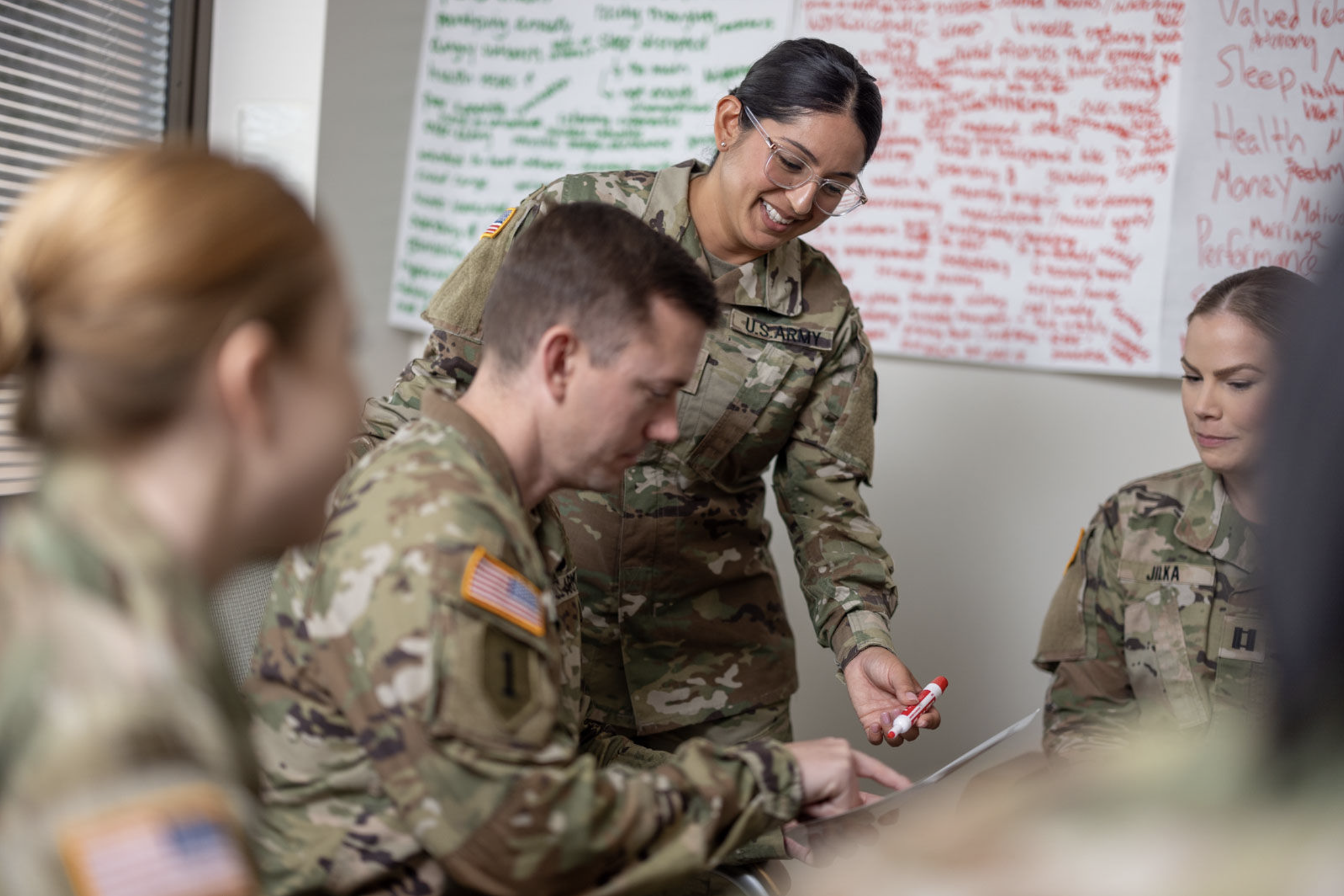
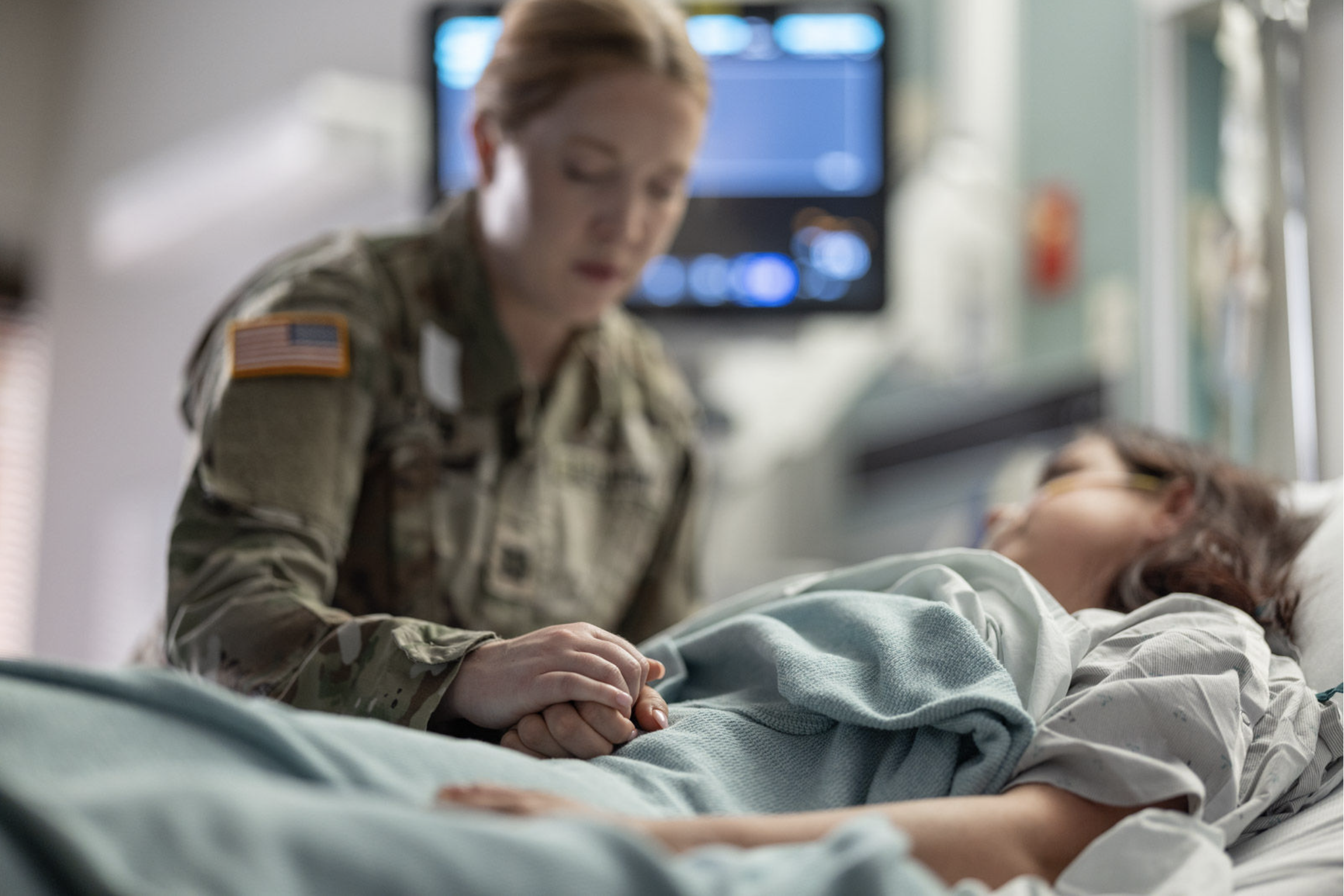
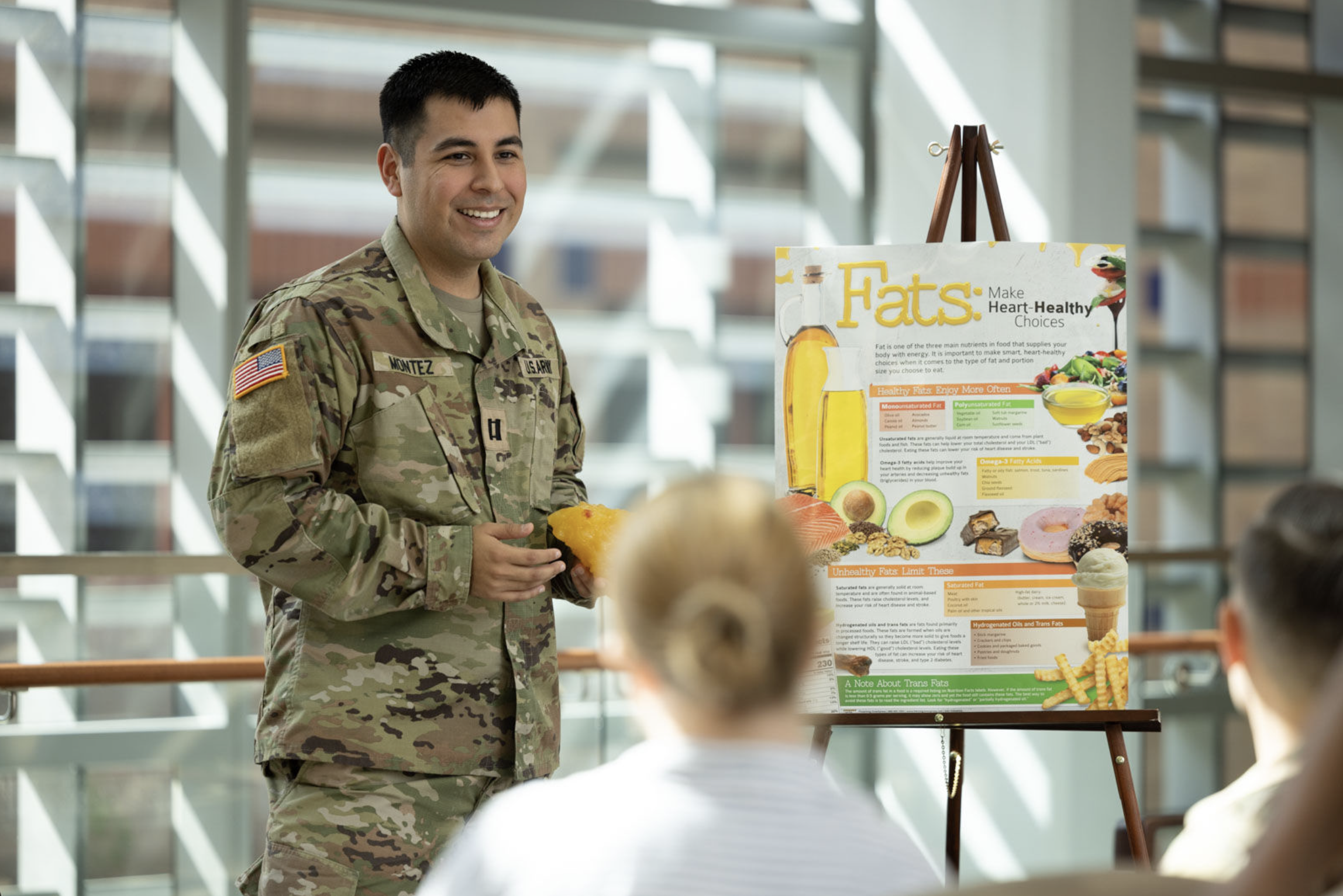
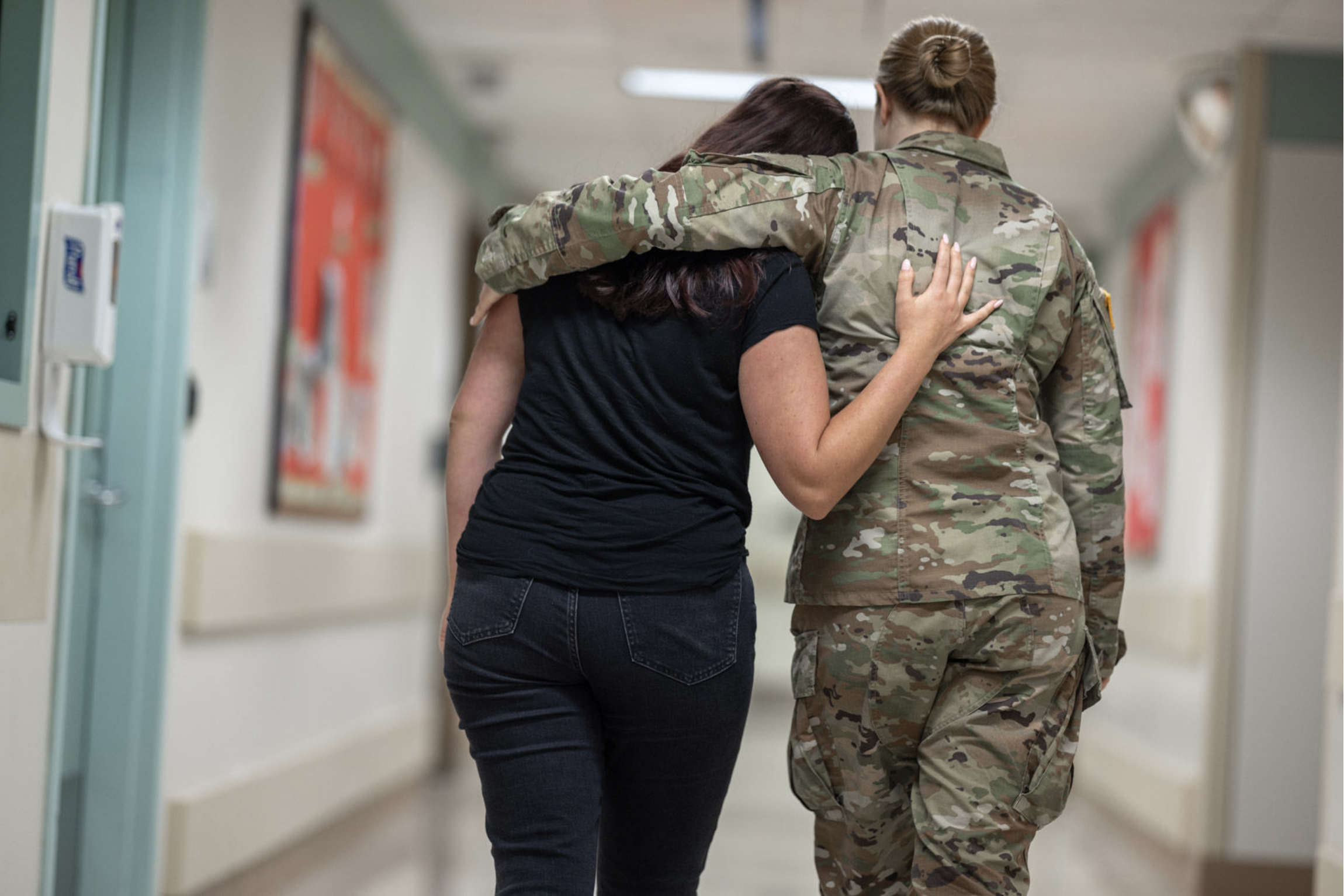
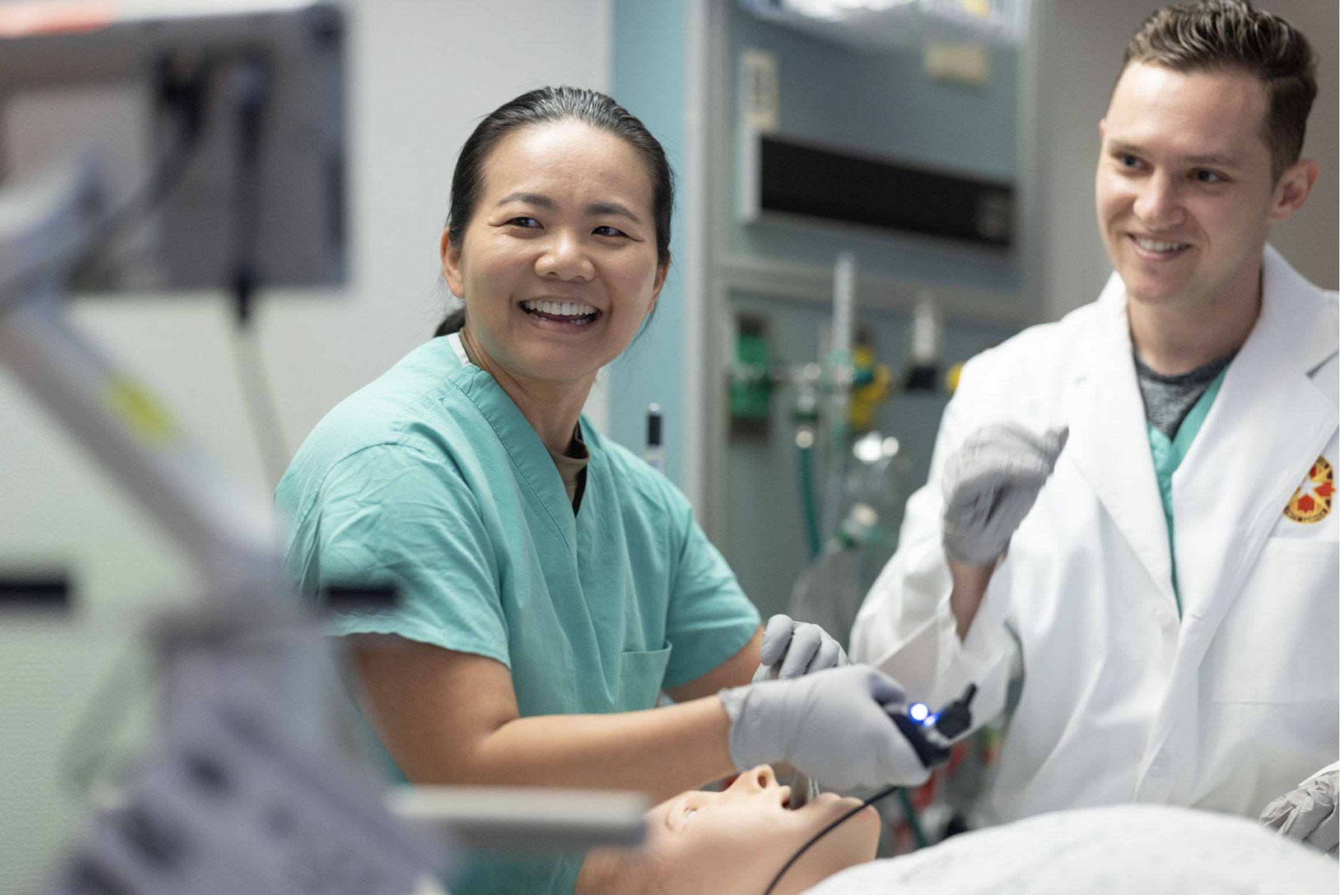
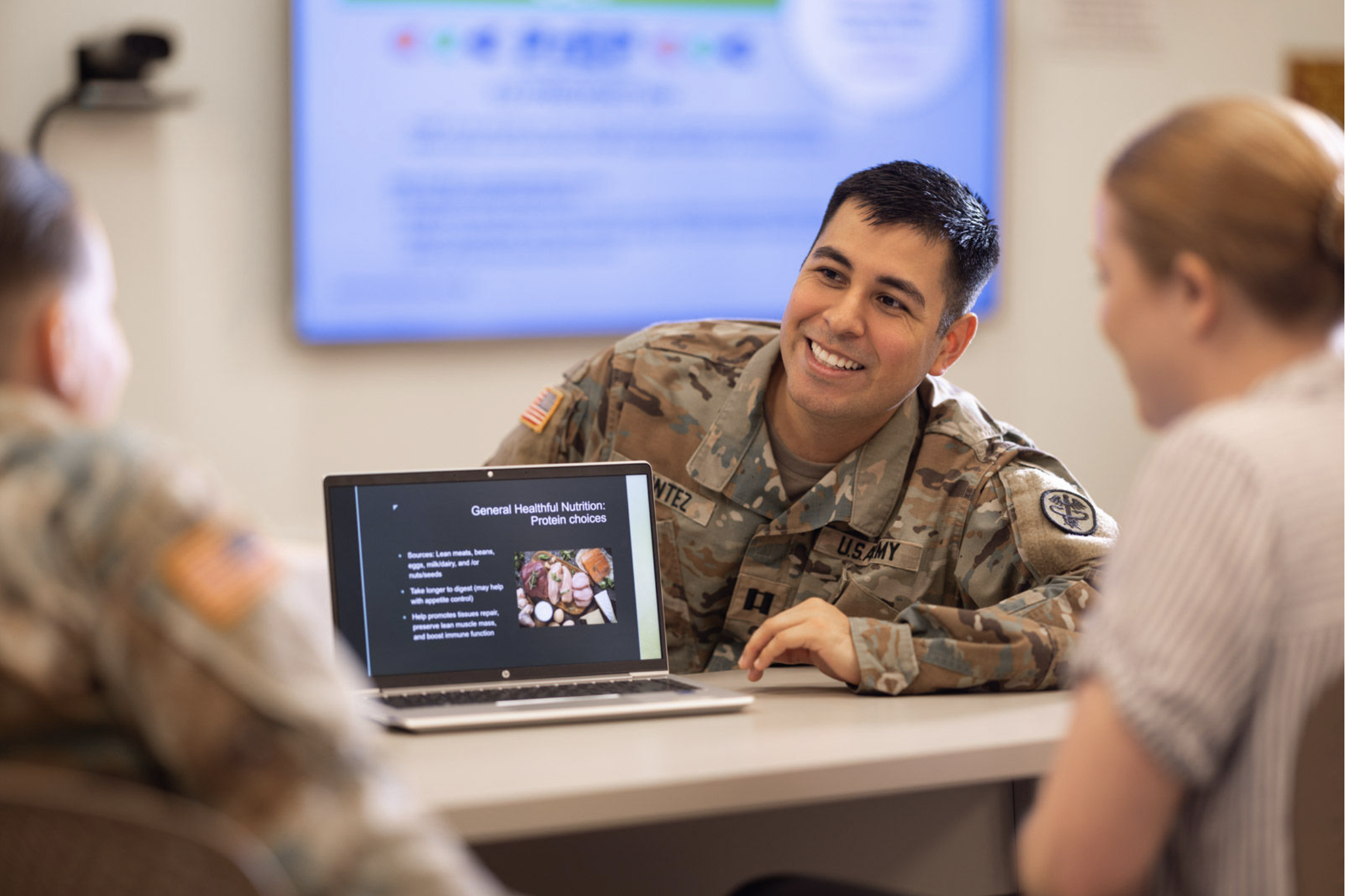
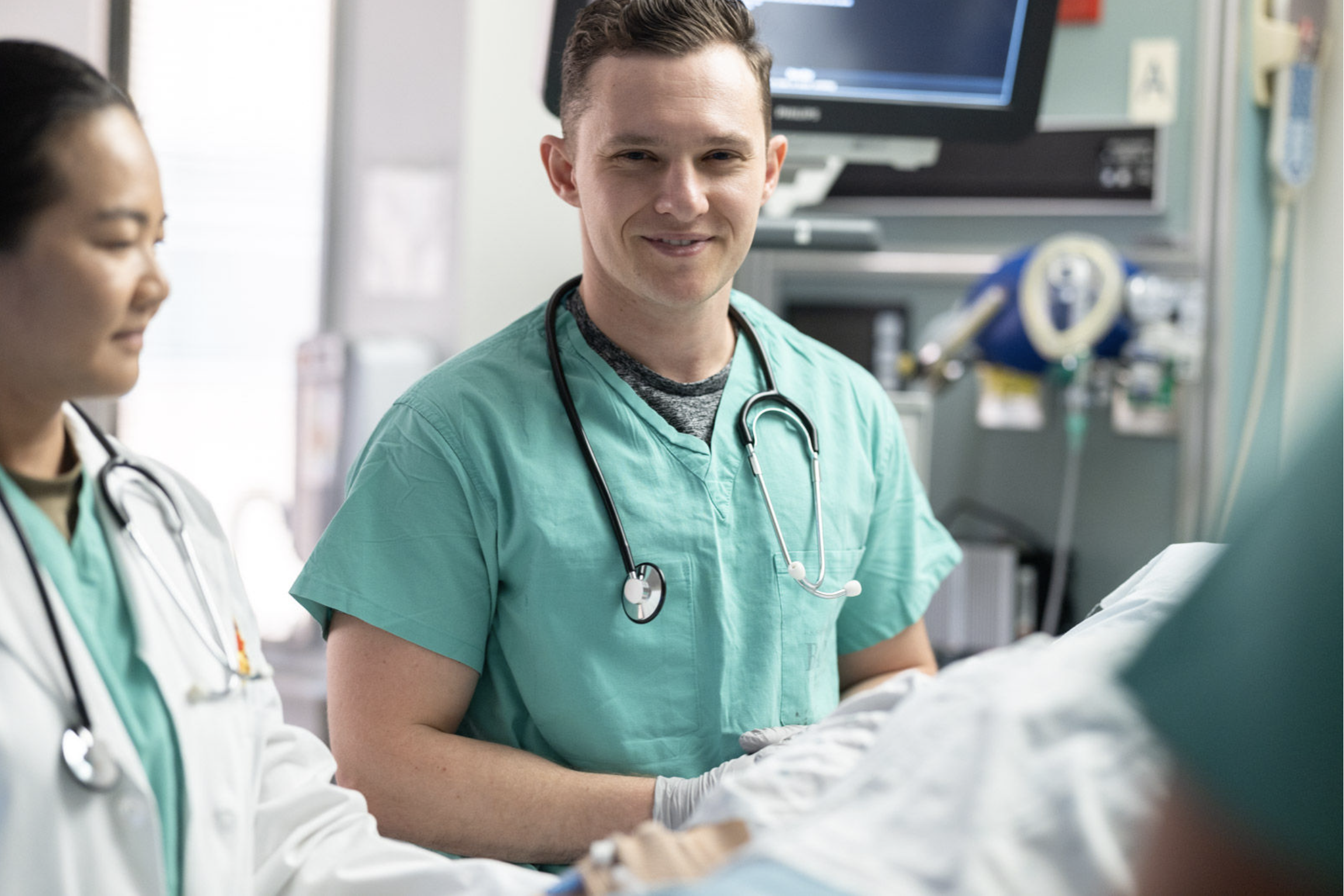
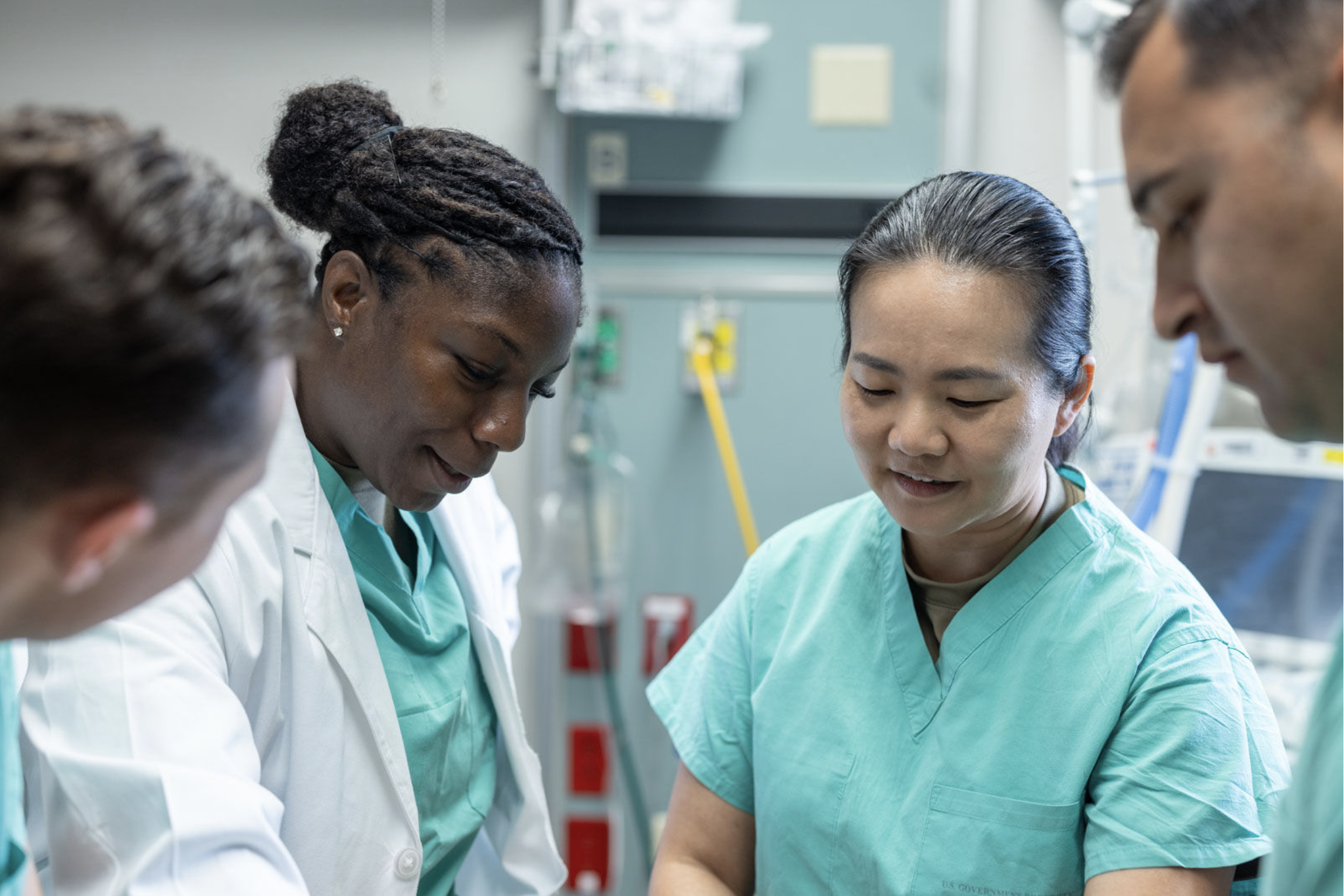
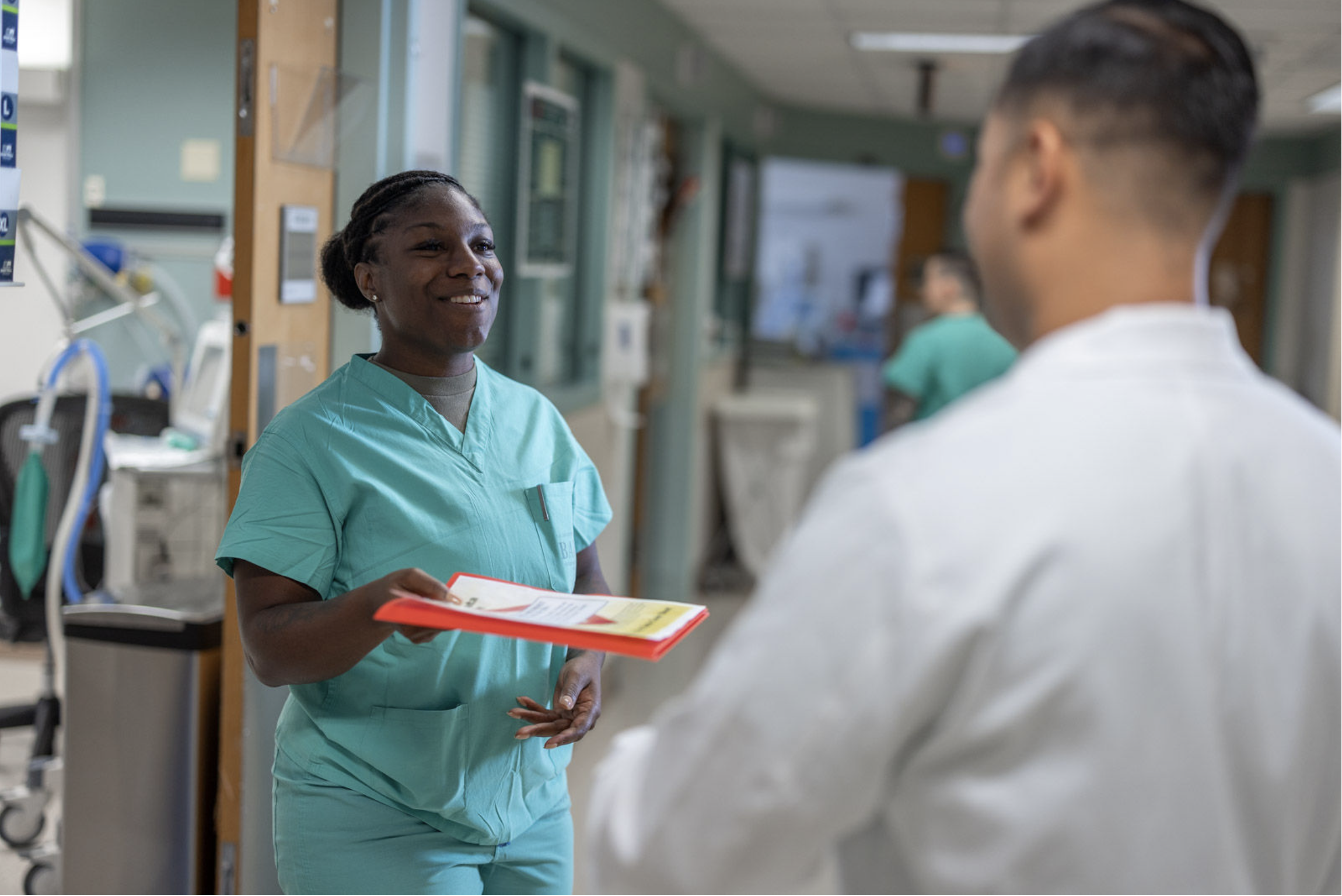
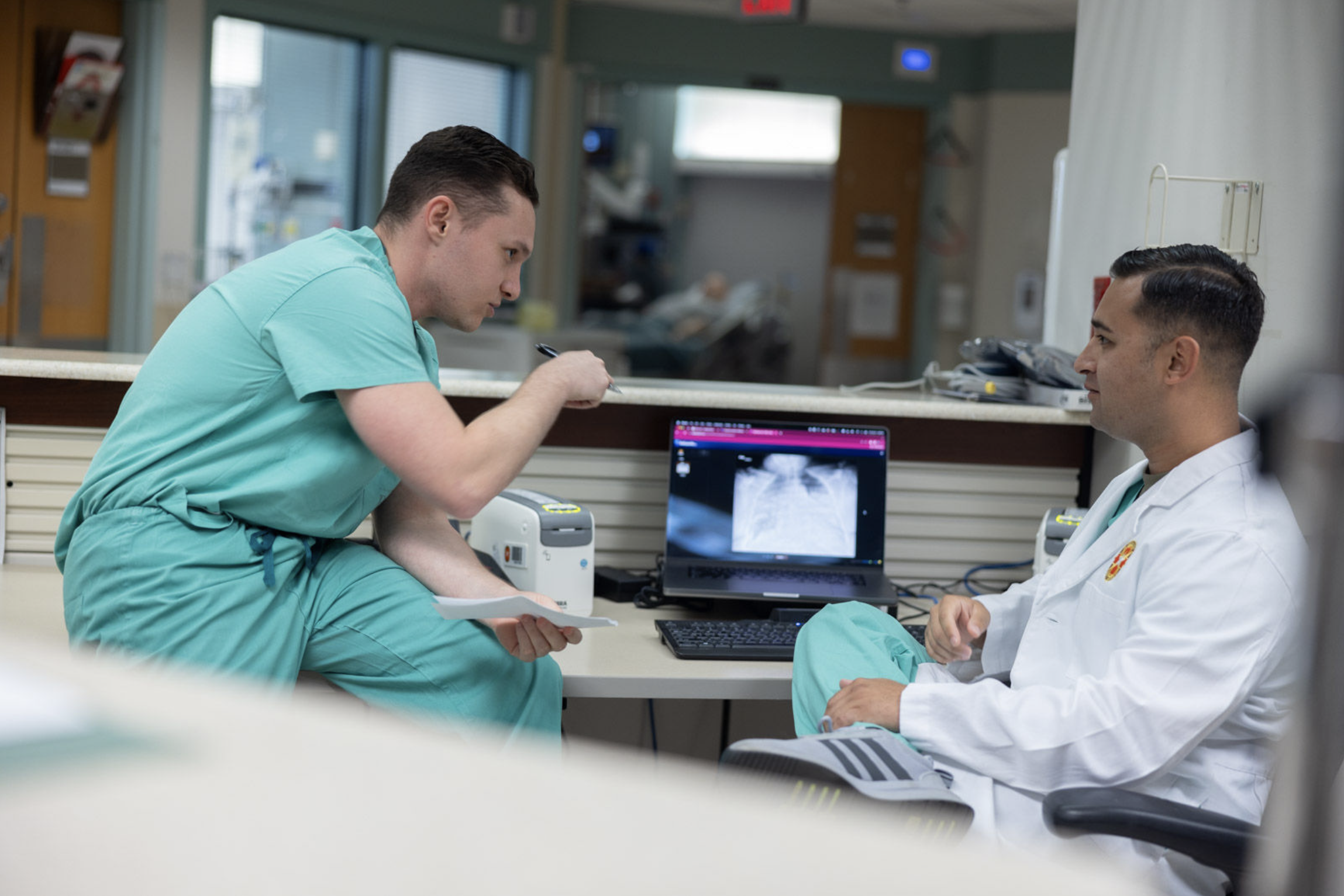
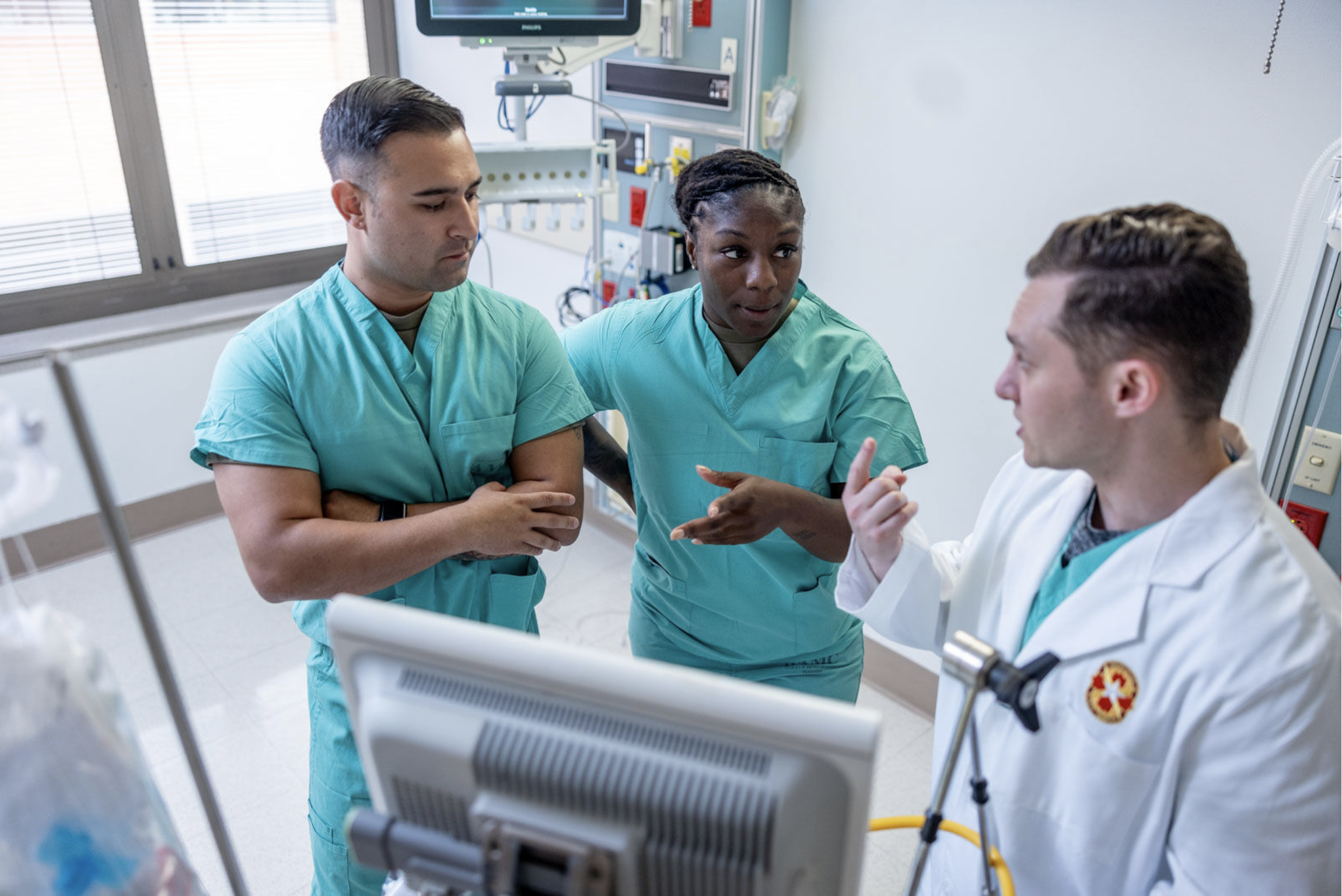
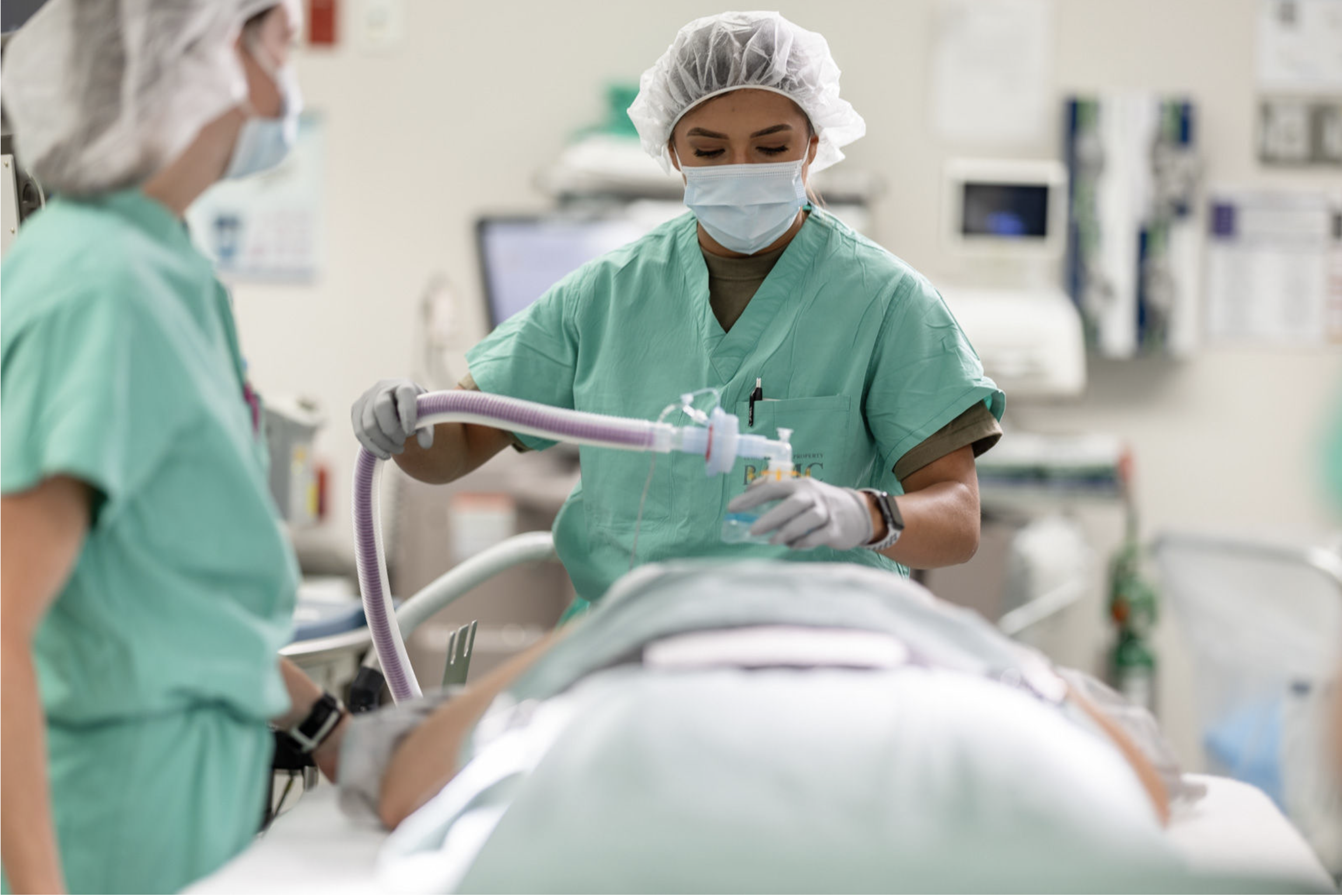
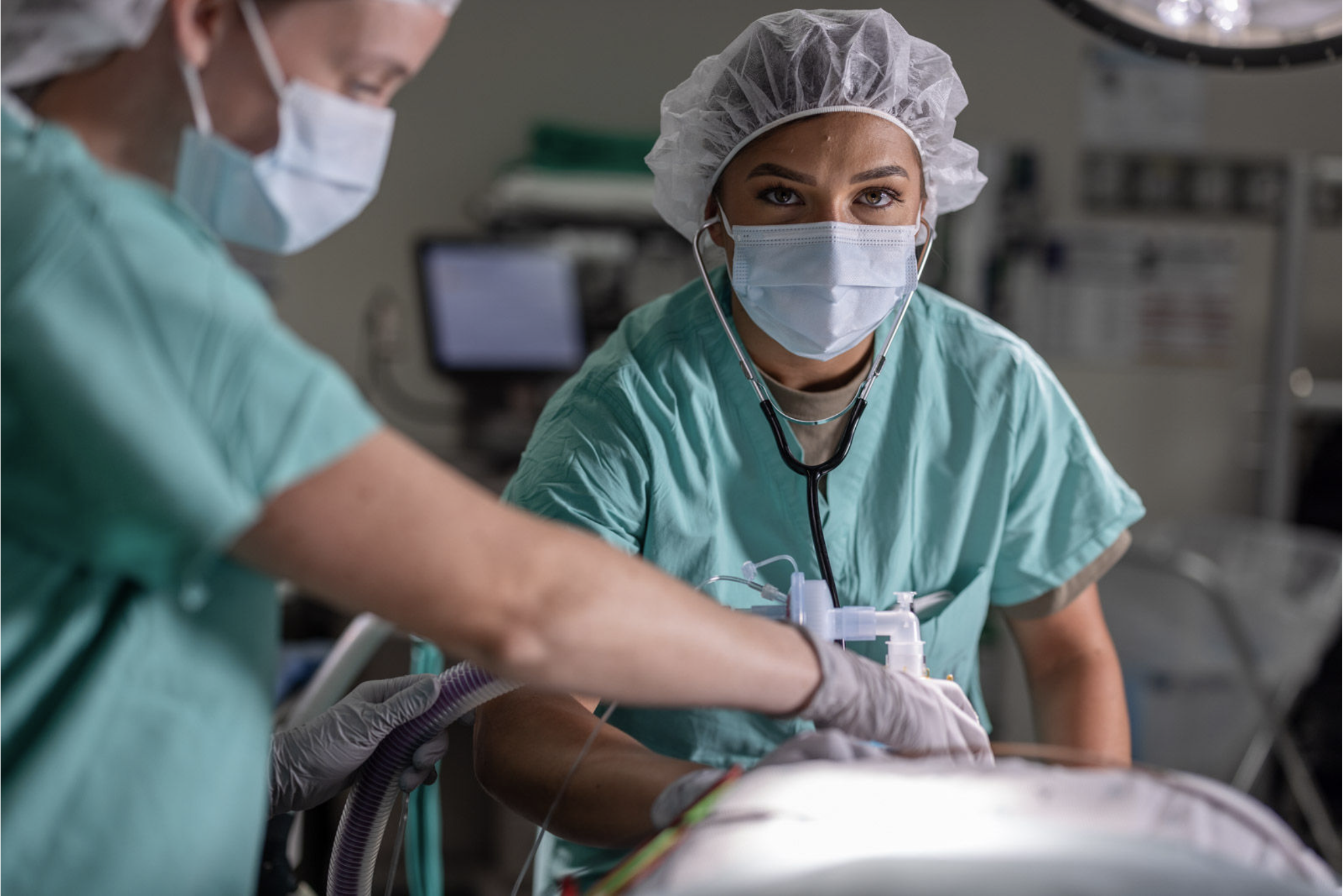
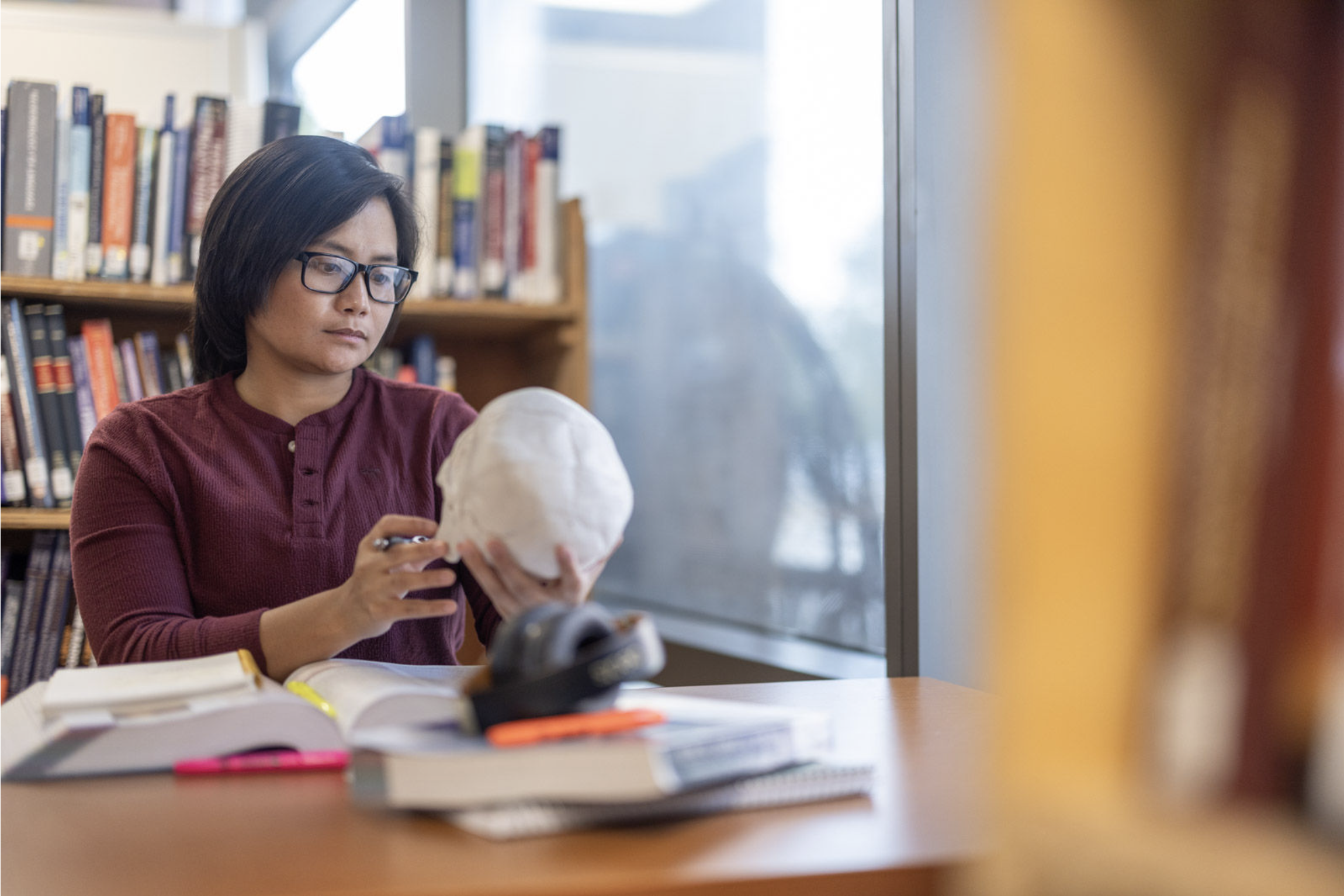
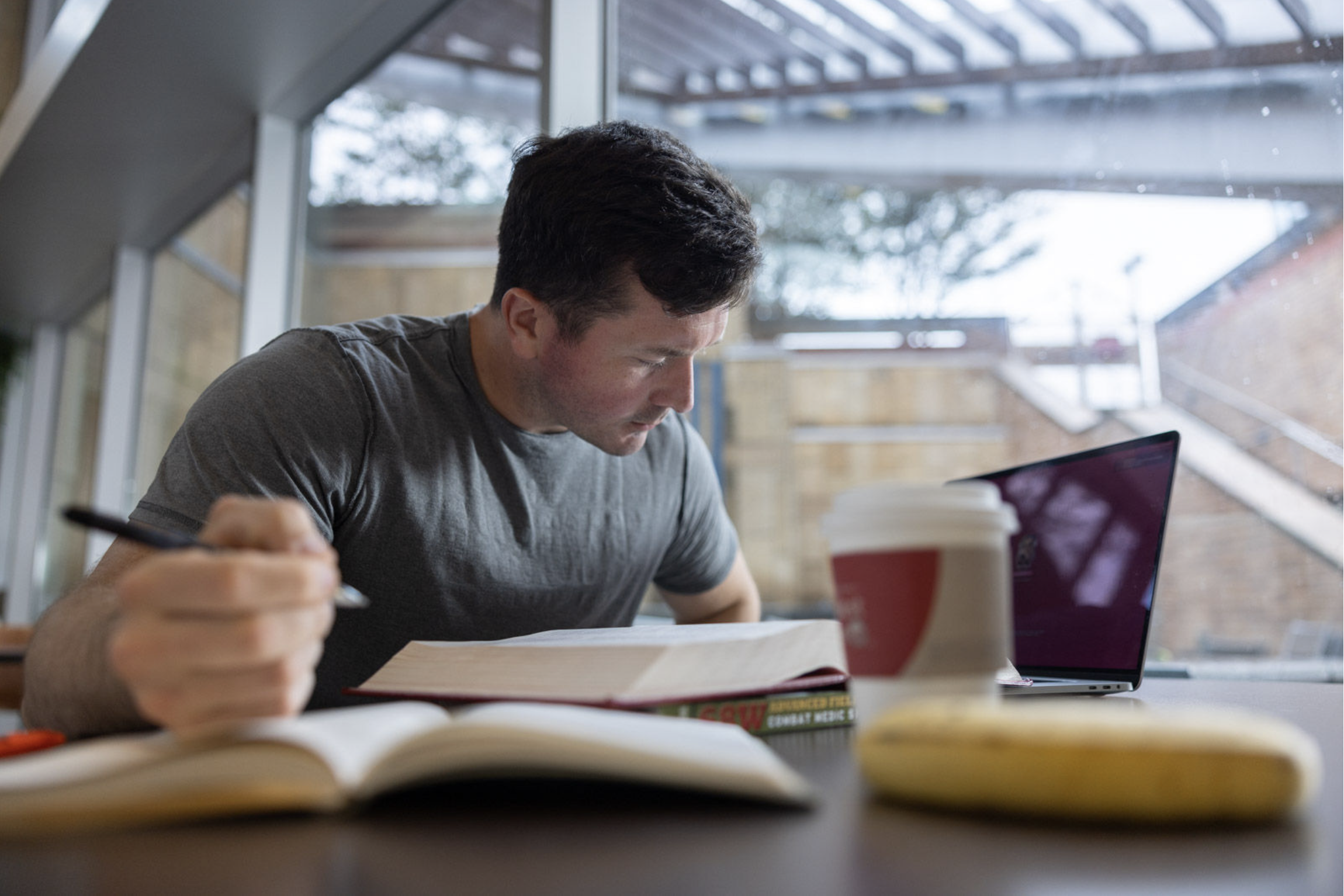
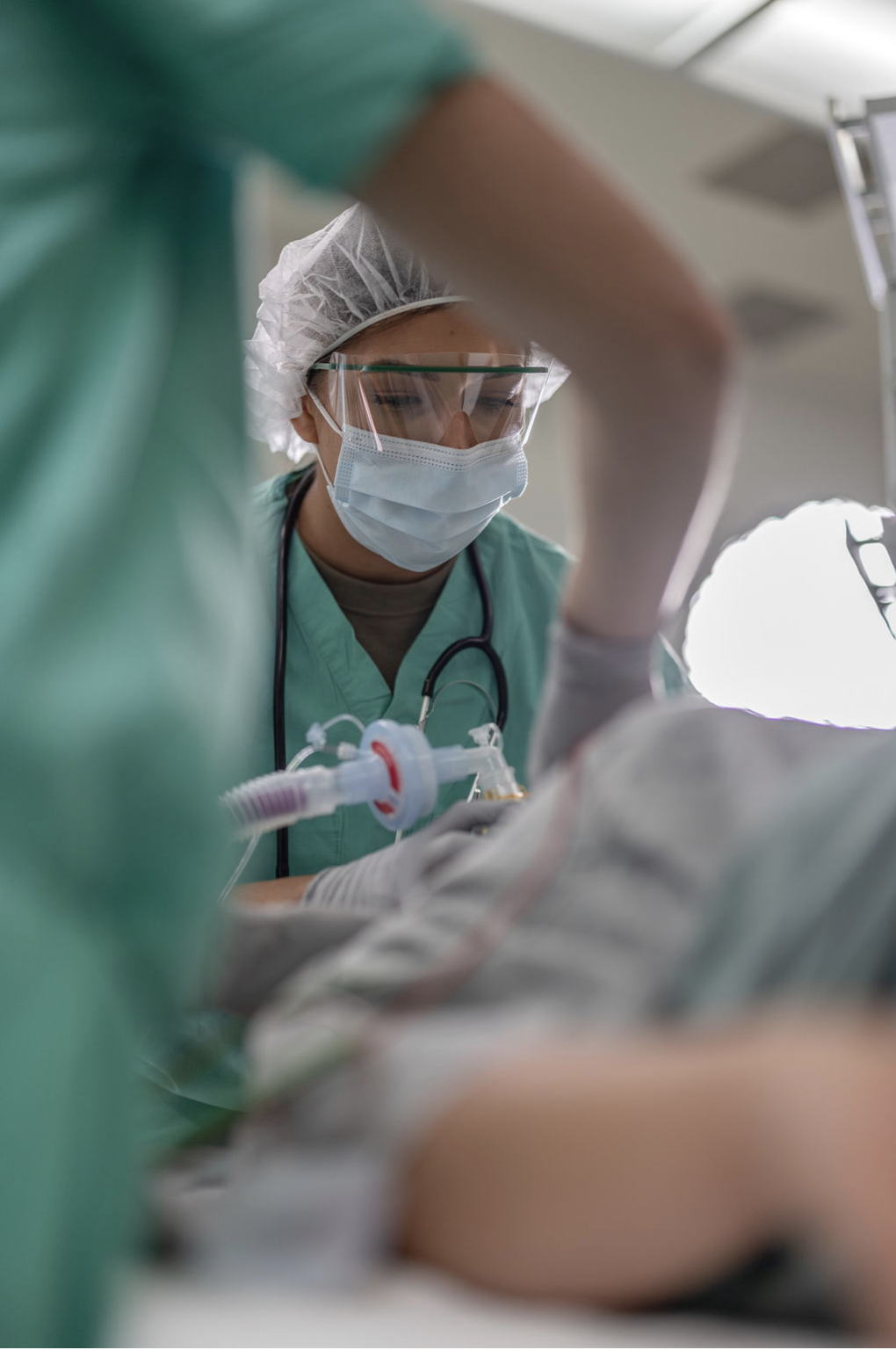
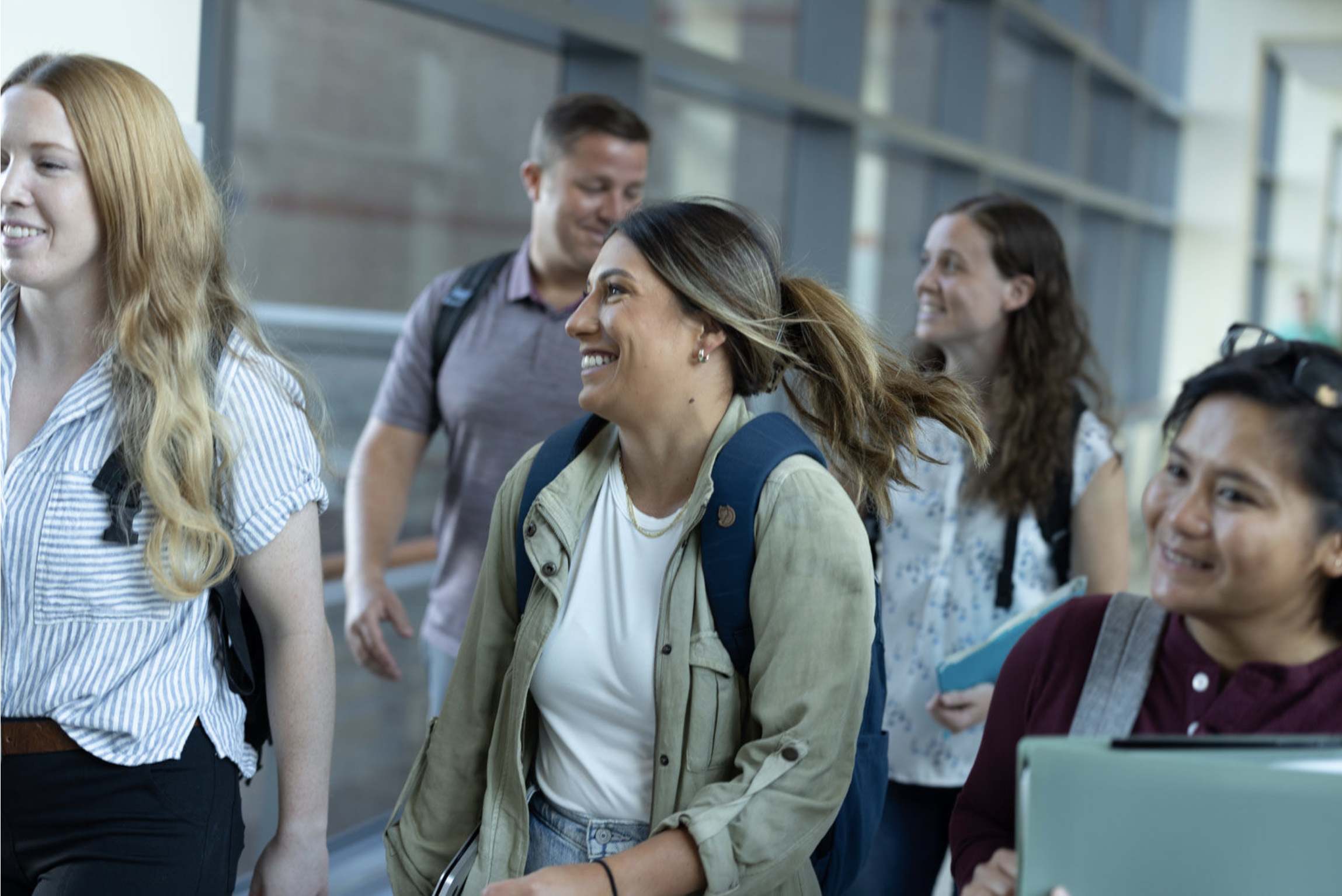
Beyond the glamour of perfecting melted cheese on camera, this world taught me the art of shot comps, propping direction, wardrobe selection, and how to assemble a cast that is authentically diverse, age appropriate, and genuinely feels like the brand it's representing. The work you see here spans big, beautiful outdoor summer productions across multiple scouted locations — where you are entirely at the mercy of light and weather and learn very quickly to stay on your toes — to US Army recruiting shoots aimed at bringing more medical officers into service, featuring real soldiers who volunteered their time. That second one I will always be proud to have been a part of. Shoots are a scheduling and planning dance from first pre-pro call to final wrap, and I genuinely love every step of it.
Set life demands a fully solution-centric headspace at all times — because problems never stop coming and hesitation is not an option. The forever humbling reality that something can look incredible in person and completely flat in capture — or the reverse — never gets less surprising. And then there's that phrase, beloved and dreaded in equal measure: "we'll fix it in post." Knowing when you actually can is a skill unto itself.
Set life is something I always felt genuinely at home in, and one I hope to spend a lot more time in going forward. Assuming the AI robots don't get dramatically better at it first. I'm watching them nervously.